

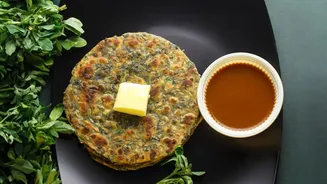
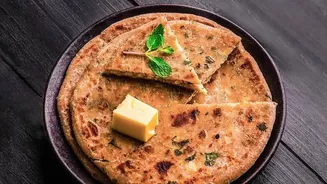
What Defines ‘Street-Style’?
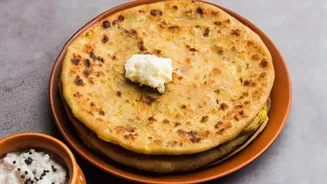
Before you start, it helps to know what makes a street-style paratha different from the everyday roti or chapati made at home. The main distinction lies in texture and richness. Street vendors often aim for a more indulgent flatbread that's crispy on the outside,
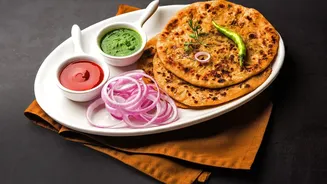
with soft, distinct layers inside. This is usually achieved by being more generous with fat—like ghee or oil—and sometimes by deep-frying or shallow-frying on a large, hot tawa (griddle) rather than dry-roasting. The goal is a decadent, satisfying bread that can stand alone as a snack or hold up to hearty fillings.
It All Starts with the Dough
You don't need special flour to get started. While many home recipes use only whole wheat flour (atta), many street-style versions use a mix of atta and all-purpose flour (maida). Maida contributes to a softer, chewier texture, while atta provides flavour and a slight crispness. The key is to make a soft, pliable dough. After kneading flour, salt, a little oil, and water, let the dough rest for at least 20-30 minutes. This resting period is crucial; it relaxes the gluten, making the dough easier to roll without tearing and resulting in a more tender paratha.
The Secret to Flaky Layers
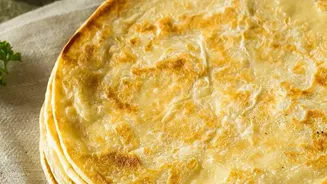
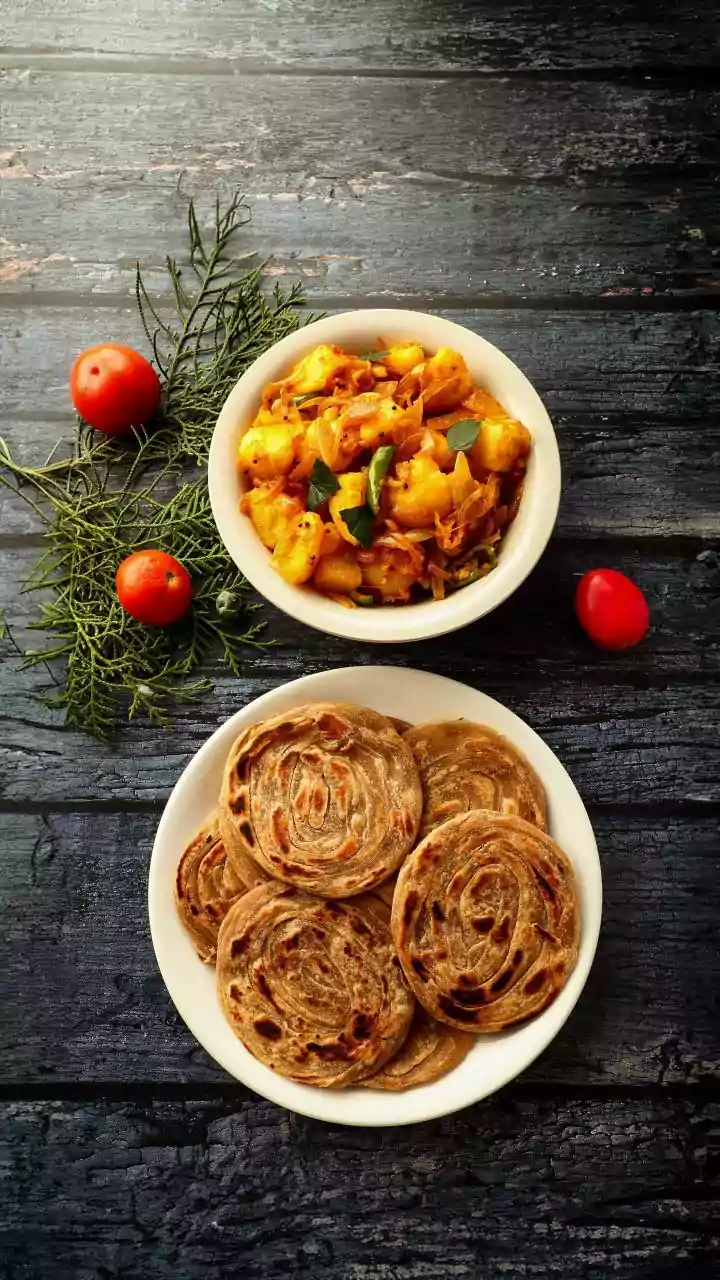
The defining characteristic of a great paratha is its layers. This technique, often called 'lachha,' is surprisingly straightforward. After rolling the dough into a thin circle, brush it generously with melted ghee or oil. Sprinkle a light dusting of dry flour over the surface. From here, you can either fold the dough like a paper fan, coiling the pleated strip into a spiral, or simply fold it into a triangle or square. Each fold traps fat and air, which separate during cooking to create those irresistible flaky sheets. This process, known as lamination, is similar to making puff pastry.
Choose Your Filling Wisely
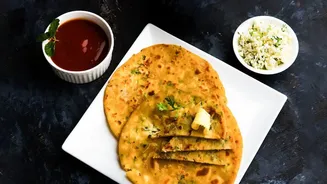
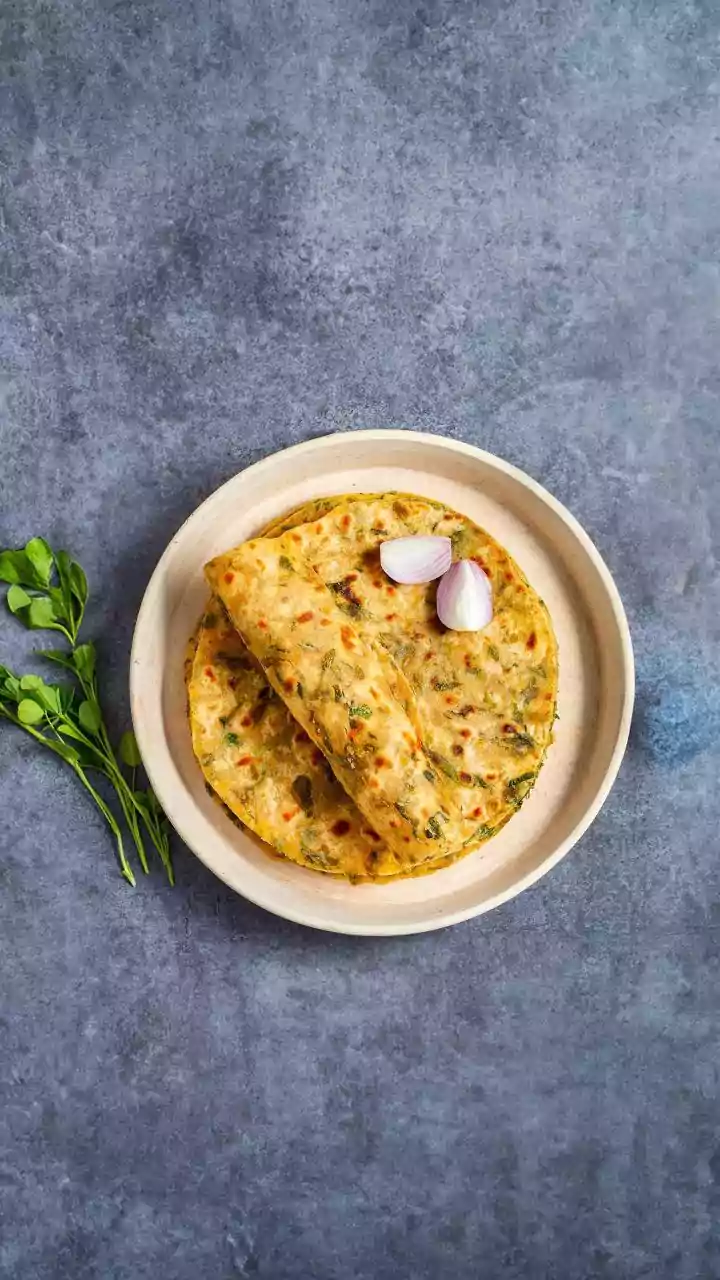
Stuffed parathas are a street-food staple, with spiced potato (aloo paratha) being the most common. Other popular fillings include grated paneer, minced meat (keema), cauliflower (gobi), and onions. The most important tip for a successful stuffed paratha is to ensure your filling is relatively dry. A wet or lumpy filling will release steam during cooking, making the paratha soggy and prone to tearing when you roll it. For potato fillings, make sure the boiled potatoes are mashed thoroughly and have cooled down before you mix in spices like ginger, green chillies, and coriander.
The Sizzle Makes It Perfect
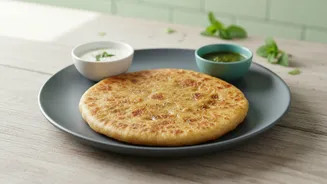
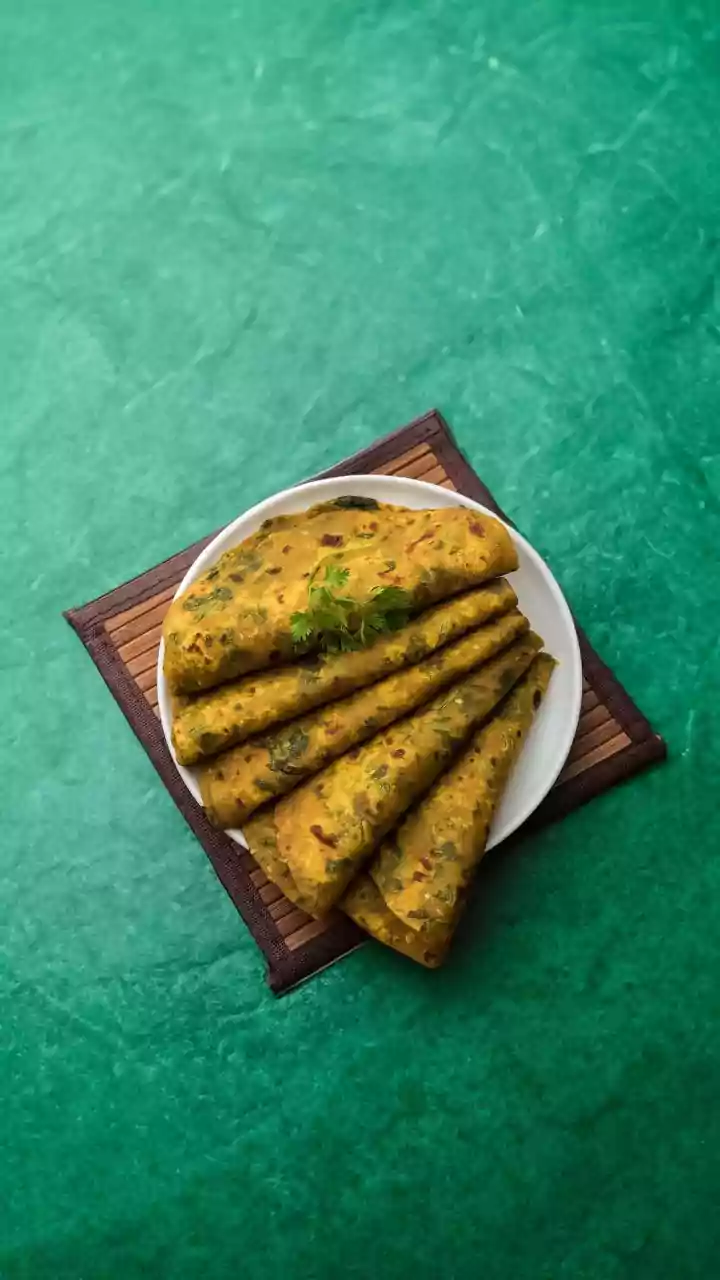
Cooking is the final step where the magic happens. Heat your tawa or a flat-bottomed pan over medium-high heat. Cook the paratha for about a minute on the first side until you see small bubbles appear. Flip it, and then brush the cooked side with ghee or oil. Flip it again and do the same on the other side. As it cooks, gently press the paratha, especially around the edges, with a spatula. This encourages it to puff up, which helps the layers separate and ensures the inside cooks through while the outside becomes golden-brown and crisp. Don't be shy with the ghee; it's essential for that signature street-food flavour and crunch.