


Pudina (Mint): The Resilient Refresher
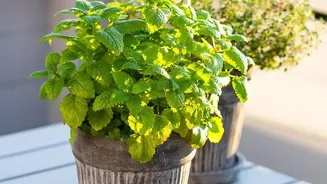
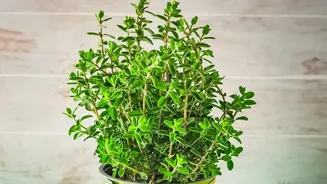
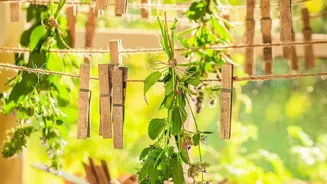
Mint is arguably the easiest herb to begin with, perfect for new gardeners. It is famously resilient and grows prolifically. You don't even need seeds; simply take a few healthy, thick stems from a bunch purchased at the market. Place these stems in a glass
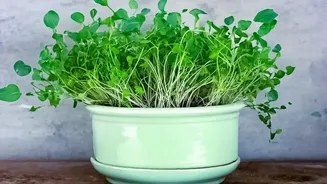
of water on a windowsill, ensuring the leaves stay above water. In about a week to ten days, you will see small white roots emerge. Once these roots are an inch long, they are ready for soil. Mint is not fussy about soil but thrives in a well-draining potting mix. A combination of garden soil, compost, and cocopeat works well. A crucial tip for growing mint is to use a wide container, as it spreads aggressively through underground runners. A pot that is at least 10-12 inches wide and deep will prevent it from becoming root-bound too quickly and keep its growth in check. Place the pot where it receives a few hours of gentle morning sun but is shielded from the harsh afternoon heat, which can scorch its leaves. Keep the soil consistently moist but never waterlogged—this is a common mistake that can lead to root rot. Regular harvesting is key; pinching off the top leaves encourages the plant to grow bushier and more productive.
Dhaniya (Coriander): The Fragrant Staple
No Indian kitchen is complete without fresh coriander. Growing it is incredibly rewarding, though it requires a little more attention than mint. You can start with whole coriander seeds from your spice box. To improve germination, gently split the seeds into two halves and soak them in water for 24 hours before planting. Coriander prefers a light, well-draining soil mix. Use a wide, shallow pot, about 6-8 inches deep, as its root system is not very extensive. Sprinkle the prepared seeds evenly over the soil and cover them with a thin, half-inch layer of soil or cocopeat. Water gently with a sprayer. The pot should be placed where it gets 3-5 hours of direct sunlight; too much harsh sun can cause the plant to 'bolt'—flower prematurely—which makes the leaves less flavourful. Keep the soil moist, especially during germination. Once the seedlings are a few inches tall, you can begin harvesting. Snip the outer leaves, leaving the inner ones to continue growing. This method allows for multiple harvests from the same plant.
Hari Mirch (Green Chillies): The Spicy Workhorse
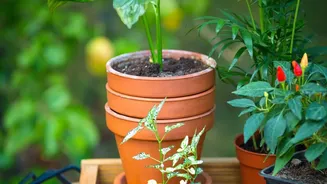
A single green chilli plant can provide a steady supply for a family. Chillies are well-suited to India's warm climate and are forgiving plants for beginners. You can start from seeds, which can be sourced from a nursery or even a dried red chilli from your kitchen. Sow the seeds about half an inch deep in a pot that is at least 10-12 inches deep to accommodate its root system. A mix of garden soil, compost, and cocopeat will provide the right balance of nutrients and drainage. Sunlight is the most critical factor for green chillies; they need at least 5-6 hours of direct sun daily to thrive and produce fruit. A south or west-facing balcony is ideal. Water the plant when the top inch of soil feels dry, but avoid overwatering. Once the plant starts flowering, you can add some organic compost to boost fruit production. With proper care, your plant will start producing chillies you can harvest as needed, bringing fresh spice directly from your balcony to your plate.
Quick Tips for Urban Gardeners
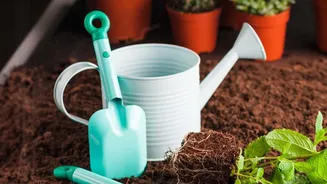
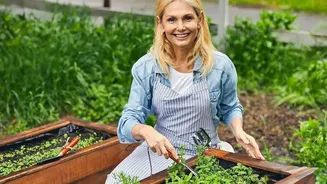
Regardless of what you choose to grow, a few universal principles apply. Always use pots with drainage holes to prevent water from pooling at the bottom, which is a primary cause of plant failure. Don't overcrowd your plants; give them space to grow to their full size. If you're using garden soil, lighten it with cocopeat and compost to improve aeration and nutrition. For city apartments, a spot on a balcony or near a sunny window that gets 4-6 hours of light is a great starting point. Finally, start small. Building confidence with a few easy plants is the best way to cultivate a green thumb and a lasting gardening habit.