







A New Space Race Fueled by Capital
The Indian space-tech landscape is experiencing a monumental shift, with private companies attracting an impressive $871 million across 241 funding rounds as of July 2026. This influx of capital signals growing investor confidence in a sector once dominated
by the Indian Space Research Organisation (ISRO). The funding has seen a dramatic climb, rising from just $43 million in 2021 to a record $200 million in 2025. The momentum continues in 2026, with startups having already secured $113 million this year, demonstrating that investor appetite remains strong. This financial backing is not just a number; it's the rocket fuel for a new generation of entrepreneurs building everything from launch vehicles and satellites to advanced propulsion systems and data analytics platforms.
Policy Reforms Opening the Skies
This boom wasn't accidental. It was ignited by a series of strategic government reforms, beginning in 2020, designed to open the final frontier to private enterprise. The creation of the Indian National Space Promotion and Authorisation Centre (IN-SPACe) has been a game-changer. Acting as a single-window agency, IN-SPACe facilitates private sector participation, streamlines approvals, and ensures access to ISRO's extensive facilities and expertise. The Indian Space Policy 2023 further solidified this vision, clarifying the roles of ISRO (R&D and exploration) and the private sector (commercial activities). Additionally, liberalized Foreign Direct Investment (FDI) norms, allowing up to 100% FDI in components and subsystems, have made the sector even more attractive to global investors.
Meet India's New Space Pioneers
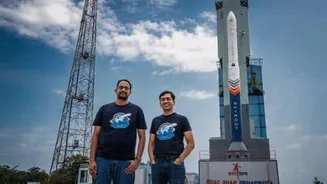
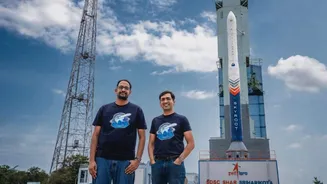
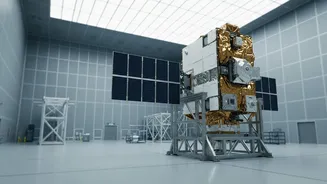
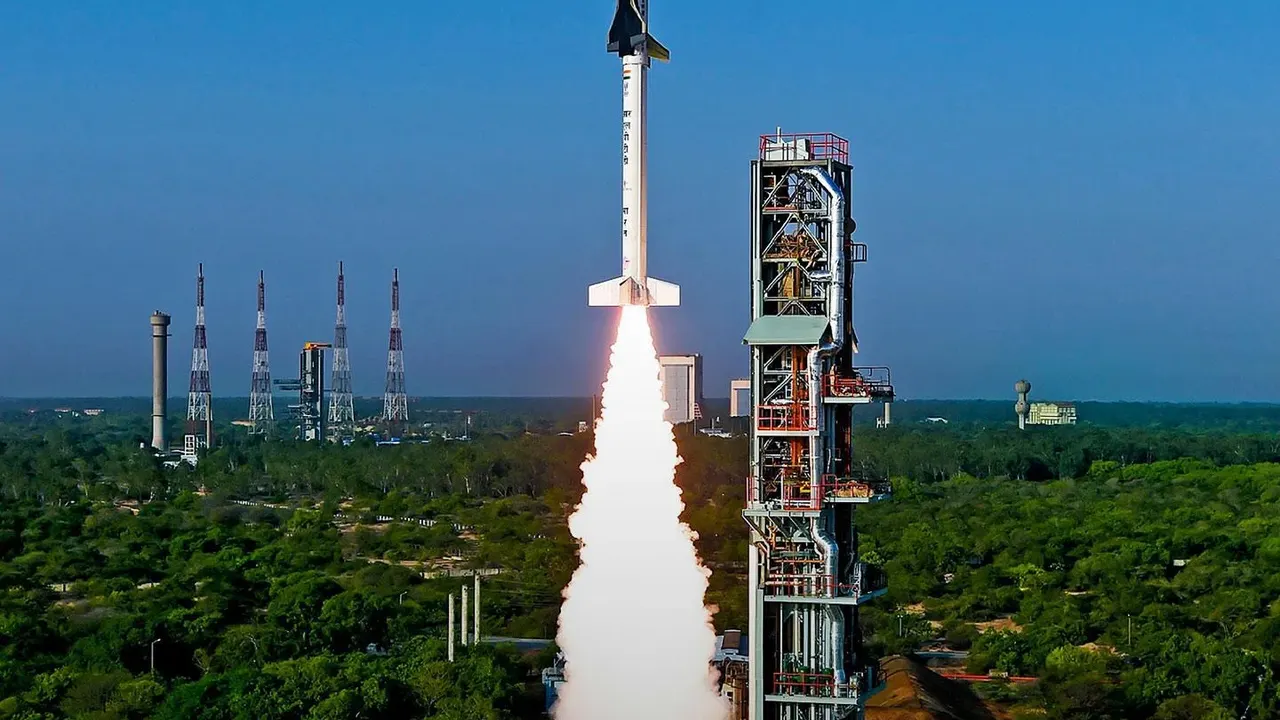
The investment is concentrated among a few trailblazing companies. Hyderabad-based Skyroot Aerospace leads the pack, having raised $150 million and achieving unicorn status after its Series C funding in May 2026. Its successful orbital launch of the Vikram-1 rocket in July 2026 made India only the third country with a privately developed orbital launch vehicle. Other major players include Pixxel, which has secured $96 million for its earth-imaging satellite constellation, and AgniKul Cosmos, which has raised $76 million for its small-satellite launch vehicles. Companies like Digantara ($67 million) for space situational awareness and Bellatrix Aerospace ($34 million) for propulsion systems are also making significant strides. These top 10 funded startups account for over 60% of the total capital raised.
The Silicon Valley of Space
Bengaluru has firmly established itself as the nerve center of India's private space industry, attracting a staggering $495 million in funding — over half of the national total. The city is home to seven of the top 10 most-funded space-tech companies. Hyderabad follows as a distant second with $205 million, largely anchored by the success of Skyroot. Chennai has also emerged as a key hub, raising $80 million, almost entirely driven by AgniKul Cosmos. This geographic concentration reflects the established ecosystems of engineering talent, research institutions, and venture capital that these cities provide, creating a fertile ground for deep-tech innovation.
Beyond Launch: What This Means for India
The surge in space-tech investment is about more than just rockets and satellites; it's a strategic move to capture a larger share of the global space economy, which is projected to reach $1.8 trillion by 2035. India's space economy itself is forecast to grow fivefold from $8.4 billion to over $40 billion by 2033. This growth will create high-skilled jobs, drive technological self-reliance, and spur innovation in related fields like telecommunications, agriculture, and disaster management. Successes like the Vikram-1 launch prove that private Indian companies can compete globally, offering cost-effective and reliable space solutions. As the sector matures, it will not only bolster the national economy but also solidify India's position as a formidable power in the final frontier.