



The Flour Fallacy
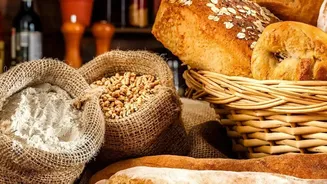
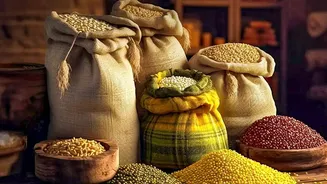
In many Indian households, buying a large sack of atta (whole wheat flour) is a monthly ritual. While economical, whole wheat flour contains natural oils from the wheat germ that can make it go rancid much faster than refined flour. When stored in a pantry
at room temperature, it's best to use whole wheat flour within three months. In humid climates, this window is even shorter. Consider buying smaller packs you can finish within 1-3 months, or if you must buy in bulk, store it in an airtight container in the refrigerator or freezer to extend its life significantly. The same logic applies to other nutritious flours like besan (gram flour) and jowar, which are best bought in smaller quantities for freshness.
The Spice Spectrum: Whole vs. Ground
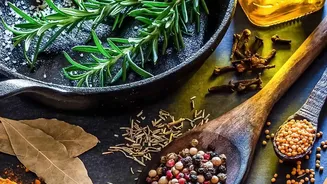
Dried spices don't spoil in a way that will make you sick, but they do lose their flavour, aroma, and potency over time. This is the real 'expiration date' for any good cook. The key difference lies in their form. Whole spices like cinnamon sticks, cloves, and cumin seeds have a much longer shelf life, often lasting up to four years. This is because their surface area is not exposed to air, which preserves their essential oils. Ground spices, like turmeric and chilli powder, lose their vibrancy much faster, typically within one to two years. A smart strategy is to buy whole spices whenever possible and grind small batches at home as needed. Your food will have a much more vibrant flavour, and you'll waste less in the long run.
Oils and Ghee: The Rancidity Risk
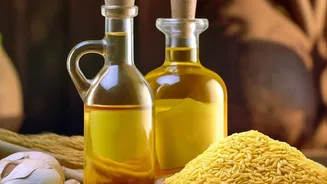
The giant tins of cooking oil may seem like a great deal, but oil is susceptible to going rancid from exposure to heat, light, and air. Once opened, a large container of vegetable or sunflower oil may begin to lose its quality long before you can finish it. Unopened oil can last for one to two years, but once you break the seal, the clock speeds up. Store oils in a cool, dark cupboard away from the stove. Ghee is more stable, but it's not invincible. An opened jar of ghee will last about 3-6 months in a pantry, or longer in the fridge. For both oil and ghee, always use a clean, dry spoon to avoid introducing moisture or bacteria. Buying a size you can realistically use within a few months is the best approach.
Pulses, Lentils, and Rice
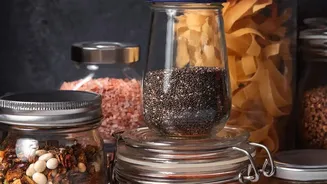
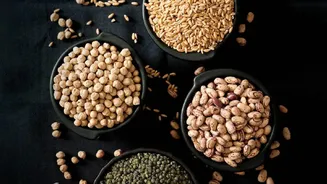
The good news is that dals (lentils), pulses, and uncooked rice are some of the most durable items in your pantry. When stored in a cool, dry place in airtight containers, they can last for years. Most dals like toor, moong, and masoor will maintain their best quality for 18 to 24 months. While they are safe to eat long after that, older lentils may take longer to cook and can have a tougher texture. The main enemies here are moisture and pests. Always transfer them from their store bags to sturdy, airtight containers. There's no need to over-buy; a stock that covers 6-12 months of your family's needs is more than sufficient and ensures you're always cooking with good-quality grains.
Smarter Shopping, Wiser Storage
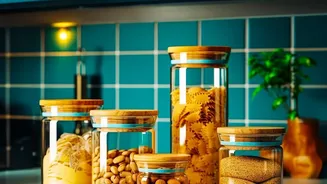
Ultimately, avoiding waste comes down to mindful shopping and proper storage. Before going to the store, take a quick inventory of your pantry. This prevents you from buying items you already have. Resist the temptation of 'buy one, get one free' offers on items with a shorter shelf life, like whole wheat flour. Instead, apply that logic to long-lasting items like canned beans or rice. When you bring groceries home, transfer them immediately into the right containers. Use clear jars for dals and spices so you can see what you have at a glance, preventing you from forgetting about items tucked away in the back of a cabinet. Following the 'first in, first out' principle by rotating older items to the front will also help ensure nothing gets left to expire.