

The dream of living and working on the Moon is closer than ever, and NASA is inviting the next generation of innovators to help build it. A new slate of student challenges is turning science fiction into a real-world engineering project.
Building a Home on the Moon
As part of its
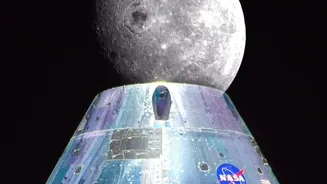
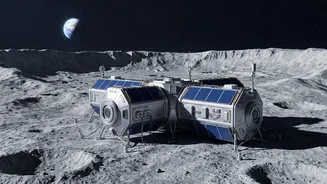
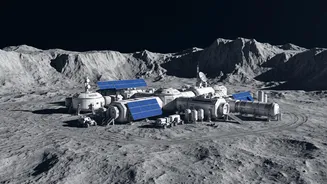
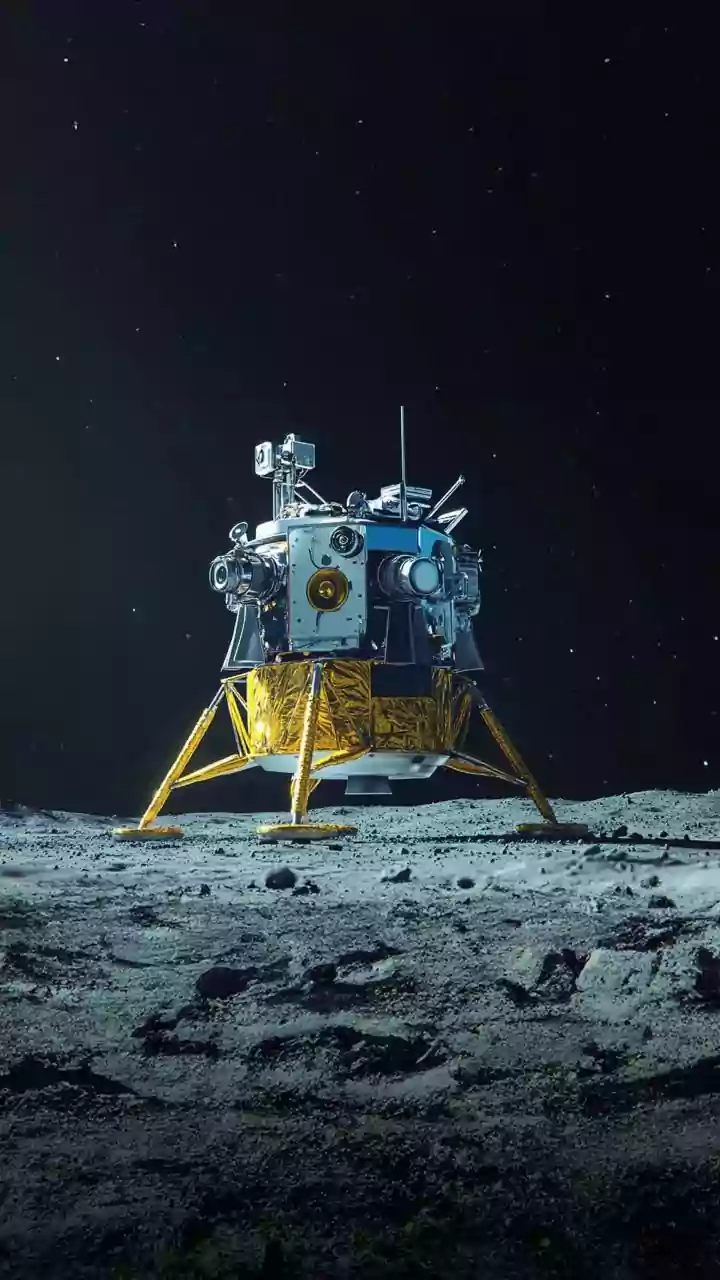
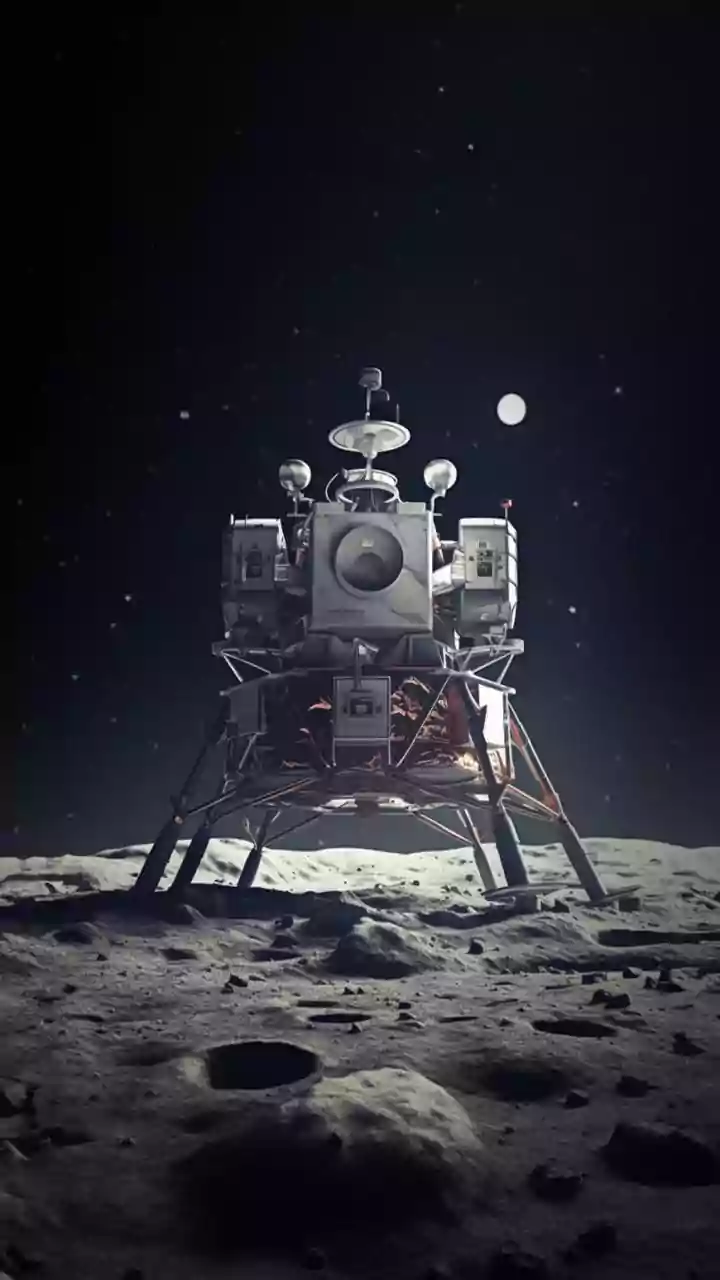
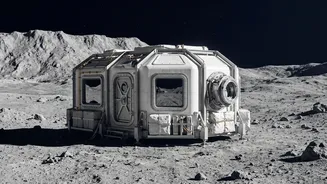
Artemis program, NASA is laying the groundwork for a sustained human presence at the lunar South Pole. This isn't just about planting a flag; it's about building a permanent base where astronauts can live, work, and conduct research for extended periods. A long-term outpost requires robust infrastructure: habitats, power sources, transportation, and life-support systems. Recognizing that this monumental task requires fresh perspectives and bold ideas, NASA has turned to a powerful source of innovation: students. Through initiatives like the recently announced $1 million Moon Base Challenge, the agency is crowdsourcing solutions for the complex problems of lunar living.
The Million-Dollar Question for Students
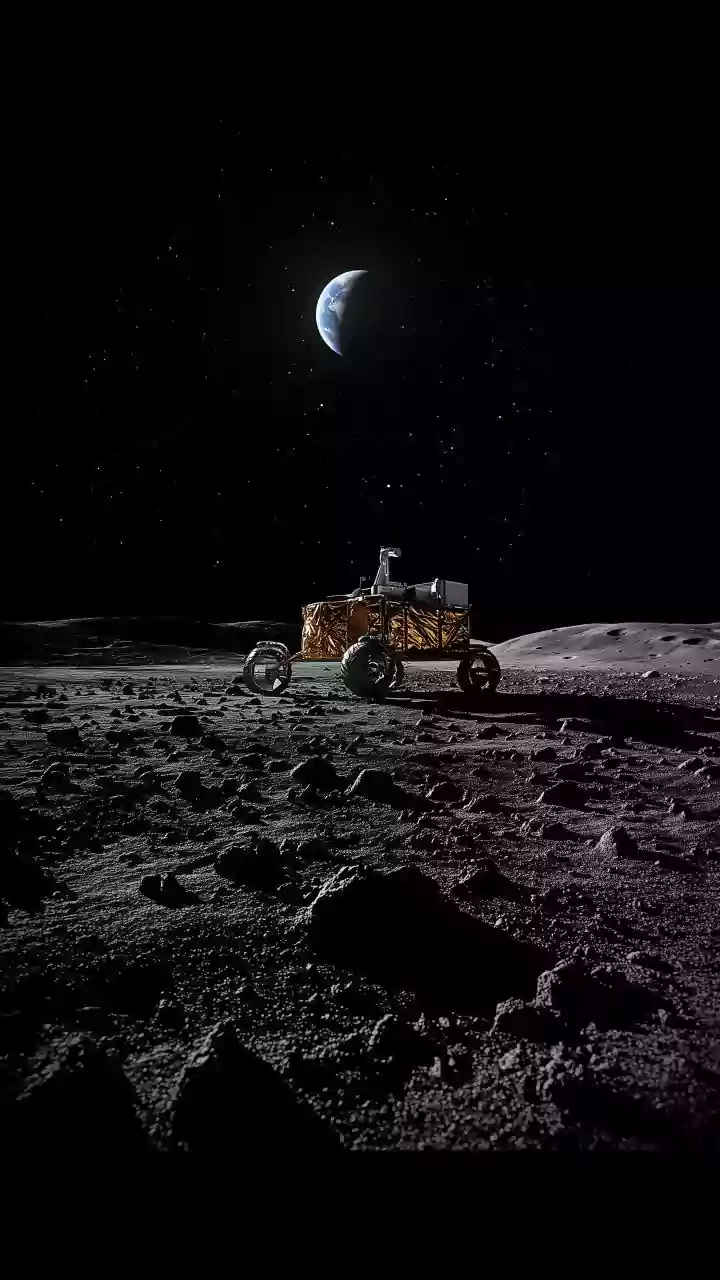
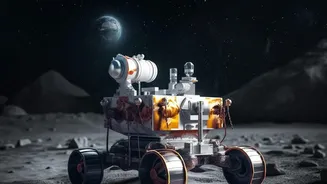
The Moon Base Challenge, announced in November 2026, invites high school and post-secondary student teams in the U.S. to contribute designs for the future lunar outpost. Teams can choose to tackle one of six critical areas: power generation and storage, habitat construction, life-support systems, surface mobility (rovers and transportation), communication networks, and astronaut safety. The goal is for students to develop concepts that can withstand the harsh lunar environment, which includes extreme temperatures and abrasive moon dust. The challenge is structured in phases, starting with a concept paper and culminating in presentations to NASA experts, giving students a taste of the real aerospace industry process.
Who Can Join and How?
The Moon Base Challenge is open to teams of two to five students affiliated with an eligible U.S.-based high school or post-secondary institution, guided by an adult coach. Registration for the current challenge is open until January 25, 2027, through the NASA STEM Gateway portal. While this specific challenge is for U.S.-based teams, NASA's broader portfolio of student competitions sometimes includes international participation. For example, the 2026 International Lunabotics Championship featured university teams from India, Australia, and the United Kingdom competing to build moon-mining robots. These initiatives signal a global trend towards collaborative space exploration, where talent from around the world can contribute.
More Than Just a Contest
These challenges are about more than just prize money. They are designed as immersive educational experiences. Participants in programs like the Breakthrough, Innovative, and Game-Changing (BIG) Idea Challenge and the Lunabotics competition receive mentorship from NASA engineers and get handson experience with systems engineering principles. The process mirrors the professional lifecycle of a real NASA project, from preliminary design reviews to building and testing prototypes. This gives students invaluable skills and a direct line of sight into careers in the aerospace industry, helping NASA cultivate the workforce that will take humanity to the Moon, Mars, and beyond.
A New Era of Exploration
The call for students to help design lunar infrastructure marks a significant shift in space exploration. It's no longer a domain reserved for a select few astronauts and elite engineers. Instead, it's becoming a participatory endeavor where bright minds from all backgrounds can play a role. As NASA Administrator Jared Isaacman stated, 'You do not have to wait until graduation to contribute'. By tapping into the creativity and problem solving skills of students, NASA is not just building a base on the Moon; it's building the next generation of explorers who will define our future in space.