
A Sudden Violent Drop
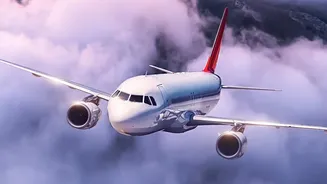
The flight was cruising at altitude when, without warning, the Airbus A320neo was hit by an intense pocket of turbulence. Passengers described a massive jolt, followed by a sudden drop that was later estimated to be around 300 feet. The force was strong
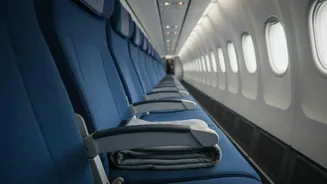
enough to throw people who were not wearing seatbelts from their seats, with some hitting the ceiling of the cabin before falling back down. One passenger recounted his father, who was not wearing a seatbelt at the moment, being thrown into the air and hitting the aircraft's roof. The violent shaking sent loose items, food, and luggage flying through the cabin, creating a scene of absolute pandemonium.
Chaos and Injuries in the Cabin
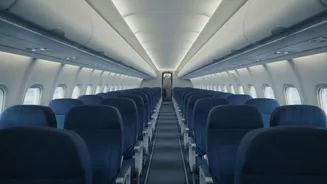
In the frightening moments that followed the initial drop, the cabin was a scene of chaos and fear. Passengers were screaming, praying, and comforting each other amidst the turmoil. The aftermath revealed the force of the event, with damage to overhead panels and luggage compartments. In total, around 17 people were injured, including 13 passengers and four members of the cabin crew. The injuries ranged from bruises and sprains to head and neck injuries sustained from the impact. On landing, medical teams were on standby to provide immediate assistance, with several individuals transported to local hospitals for further evaluation.
The Crew’s Professional Response
Despite the terrifying conditions and some sustaining injuries themselves, the flight crew's response was praised by many on board. The pilots swiftly regained control of the aircraft following the sudden altitude loss and continued the flight safely to its destination in Delhi. Even after the worst of the turbulence passed, which reportedly lasted for four to five minutes, the cabin crew worked to provide assistance and reassurance to shaken passengers for the remainder of the flight. Their calm professionalism in the face of a genuine crisis was a crucial factor in managing the situation and ensuring the aircraft landed without further incident.
Understanding Severe Turbulence
The incident onboard AI2379 was a result of what is known as severe turbulence. This is defined as large, abrupt changes in altitude and attitude, where the aircraft can be momentarily out of control. It is often caused by powerful air currents and can occur even in clear skies, a phenomenon known as Clear Air Turbulence (CAT), which is invisible to weather radar. While a 300-foot drop feels dramatic and terrifying, modern aircraft are engineered to withstand forces far greater than those encountered in even severe turbulence. Pilots are highly trained to handle such events, prioritizing maintaining the aircraft's attitude over fighting the altitude changes, and often keeping the autopilot engaged to prevent overcorrection.
Investigation and Official Response
Upon its safe landing in Delhi, the incident immediately triggered a formal investigation. India's Directorate General of Civil Aviation (DGCA) took custody of the aircraft's flight data recorder and cockpit voice recorder to conduct a thorough probe into the cause and circumstances of the event. Air India issued a statement confirming the “brief in-flight turbulence-related event” and reiterated that the safety of its passengers and crew remains its highest priority. The airline stated it was fully cooperating with the investigation and providing all necessary support to the affected passengers and their families. By the following day, all hospitalized passengers had been discharged, though some crew members remained under medical care for their injuries.
A Stark Reminder: Always Wear Your Seatbelt
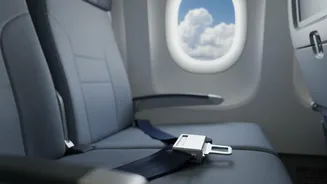
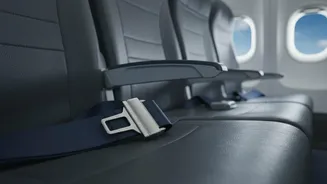
Beyond the physical injuries, such an event can have a lasting psychological impact, with experts noting that passengers can experience anxiety and a fear of flying. However, the most immediate lesson from flight AI2379 is the critical importance of the humble seatbelt. Passenger accounts and injury reports make it clear that those who were securely buckled in were largely protected from the violent movements that threw others around the cabin. Many airlines and safety experts advise keeping your seatbelt fastened at all times when seated, even if the seatbelt sign is off, as severe turbulence can strike without any warning. This simple precaution is the single most effective way to prevent injury during an unexpected encounter with rough air.