





From Vision to Action
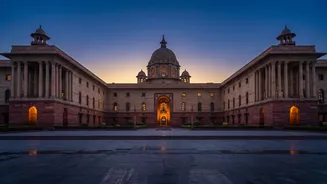
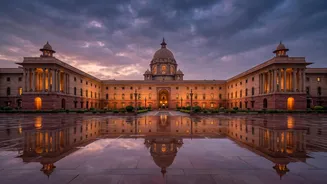
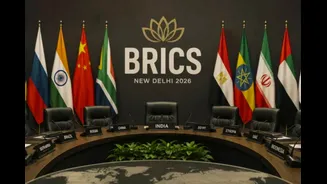
With India hosting the 18th BRICS Summit in New Delhi, the theme for 2026 is "Building for Resilience, Innovation, Cooperation and Sustainability". This isn't just diplomatic jargon. It signals a deliberate shift from high-level declarations to practical,
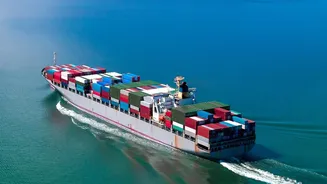
on-the-ground implementation. After expanding to include Egypt, Ethiopia, Iran, Saudi Arabia, the UAE, and Indonesia, the bloc now represents roughly 45% of the world's population and a significant share of global GDP. The primary challenge for 2026 is to integrate these new members and their diverse economic interests into a cohesive strategy that delivers real benefits, particularly in trade and investment. India's focus is on making the group more useful for businesses by improving trade flows and making supply chains more resilient to global shocks.
Building a New Financial Architecture
Much of the buzz around BRICS centres on de-dollarization, but the reality in 2026 is more nuanced. The focus is less on creating a single currency and more on building parallel financial infrastructure. Key among these efforts is strengthening the New Development Bank (NDB) and expanding the use of local currencies for trade. The NDB's strategy for 2022-2026 aims to approve USD 30 billion in financing, with 30% of that in local currencies to reduce dependence on the dollar and associated transaction costs. Another critical area is the development of a BRICS payment system. While a fully unified system is still some years away, progress is being made on linking the national payment systems of member countries, like India's UPI, to facilitate faster and cheaper cross-border transactions. These initiatives are about creating options and reducing vulnerability to sanctions and Western financial dominance.
India's 'People-Centric' Agenda
As chair, India is championing a "people-centric" approach, aiming to translate cooperation into direct benefits for citizens. This involves a focus on specific, high-impact sectors. A key priority is building resilient and diversified supply chains in critical areas like energy, agriculture, and manufacturing to protect against future disruptions. Innovation is another pillar, with India leveraging its success in Digital Public Infrastructure (DPI) to foster collaboration on AI, fintech, and other emerging technologies across the bloc. The goal is to use technology not just for growth, but to improve service delivery in health and education. For Indian businesses, the push for greater integration of Micro, Small, and Medium Enterprises (MSMEs) into global value chains is a major opportunity, with proposals for a BRICS MSME portal and startup fund on the table.
Navigating Geopolitical Headwinds
The bloc's growing economic ambition doesn't exist in a vacuum. BRICS is a group of nations with diverse and sometimes conflicting political interests. The expanded membership, which includes regional rivals, adds another layer of complexity that must be managed to maintain consensus on economic goals. External pressures, including geopolitical conflicts and the threat of sanctions, also pose a challenge. India's strategic balancing act is crucial here: steering the group towards practical economic cooperation rather than an explicitly anti-Western political alliance. The success of the 2026 agenda will depend on the bloc's ability to compartmentalise political differences and focus on areas of mutual economic benefit, reinforcing the collective voice of the Global South without getting bogged down in geopolitical rivalries.