


Understanding the Three Heroes
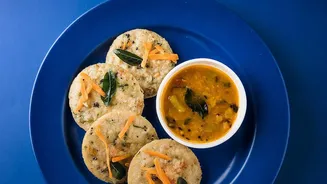
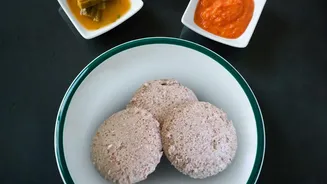
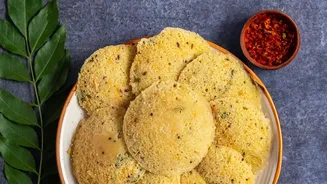
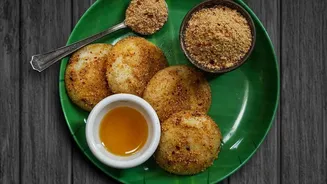
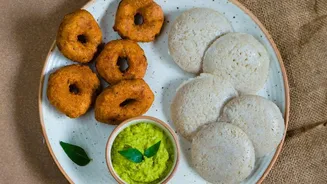
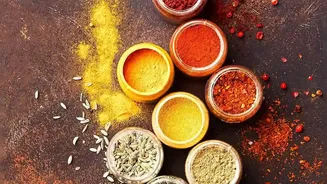
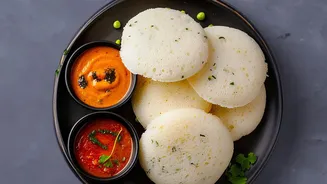
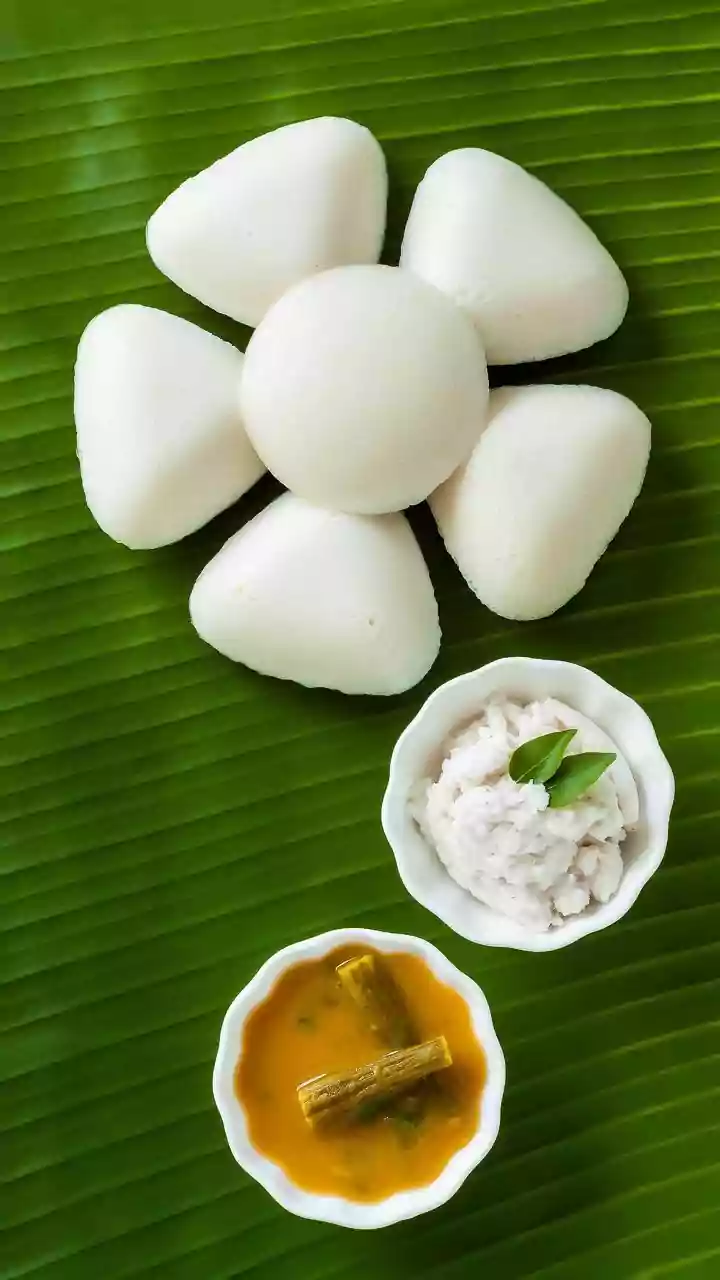
Before we get to the technique, let's appreciate the players. First, the idli: a soft, porous steamed cake made from fermented rice and lentil batter. Its sponge-like texture is perfect for soaking up flavour. Next, the podi, also known as milagai podi or 'gunpowder'.
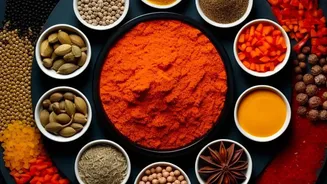
This coarse, dry powder is a flavour bomb made from roasted lentils (like urad dal and chana dal), red chillies, sesame seeds, and other spices. Finally, there's ghee: clarified butter that provides richness, a nutty aroma, and the fat needed to bind everything together. The podi on its own is dry and gritty; the ghee is what makes it adhere to the idli and mellows the spice.
The Common Mistake: Drowning the Idli
The most frequent error is treating the components separately. Many people place the idli on the plate, sprinkle dry podi over it, and then pour ghee on top. This approach almost always leads to a greasy outcome. The ghee has nowhere to go but down, pooling at the bottom of the plate and turning the lower half of the idli soggy. The podi on top remains patchy and dry, while the part soaked in ghee becomes overly rich and heavy. You lose the satisfying texture and get an uneven distribution of flavour. The goal is to create a cohesive paste, not a layered mess.
The Secret: Make a 'Podi Well'
The traditional and most effective method is to mix the podi and ghee before they even touch the idli. The technique is simple but transformative. First, spoon a generous amount of podi onto your plate. Use the back of the spoon to create a small depression or 'well' in the centre of the powder pile. This small crater is your designated landing zone for the ghee. By containing the ghee within the podi, you allow the powder to do its job: absorbing the fat. This technique is common practice in South Indian households for a reason.
Temperature and Texture are Key
For the best results, use warm, melted ghee. When you pour the warm ghee into the podi well, it will sizzle slightly and release its nutty aroma. Immediately mix the ghee and podi together with your spoon or finger to form a thick, homogenous paste. The dry, roasted lentils in the podi absorb the warm ghee, transforming the two distinct ingredients into a single, flavourful condiment. You're no longer dealing with a dry powder and a liquid fat; you have created a perfect, spreadable, and non-greasy chutney that will cling beautifully to the idli.
Finding Your Perfect Ratio
There is no single universal ratio; the perfect balance is a matter of personal preference. Some prefer a thicker, more textured paste, while others enjoy a slightly looser consistency. The type of podi also matters—some are ground finer and absorb more ghee, while coarser powders may require less. Start by mixing a small amount and adjust as you go. The beauty is in the customisation. Once you have your paste, you can tear off a piece of warm idli, dip it into the mixture, and enjoy a perfect bite where every element is in harmony. The flavour is intense, the texture is satisfying, and there's no pool of grease left on your plate.