




The Unseen Risks of Heavy Pots
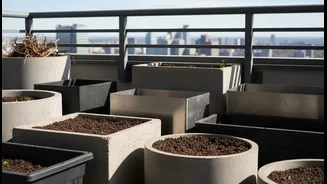
For many, gardening is a relaxing escape, but wrestling with heavy pots can turn it into a physical chore. Traditional containers made from terracotta, ceramic, or concrete are notoriously heavy even before you add soil and water. Moving these pots can lead
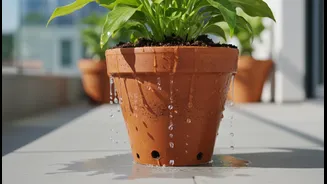
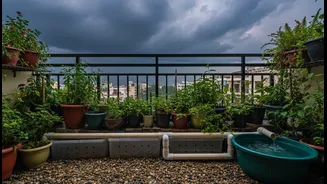
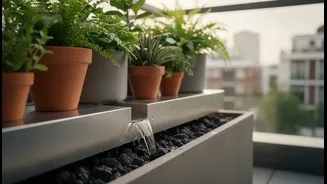
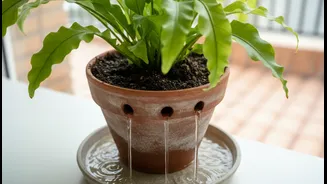
to back strain or other injuries. Beyond personal risk, they pose a structural threat, especially in urban settings. A single large, water-logged pot can place immense stress on a balcony or rooftop deck, which may have strict weight limits. Over time, the weight can damage surfaces or, in extreme cases, contribute to structural failure. These heavy materials are also often brittle; a dropped terracotta pot shatters, while a cold snap can cause cracks to appear in ceramic.
A Modern Solution: Lightweight Alternatives
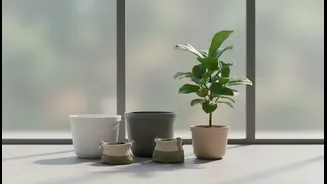
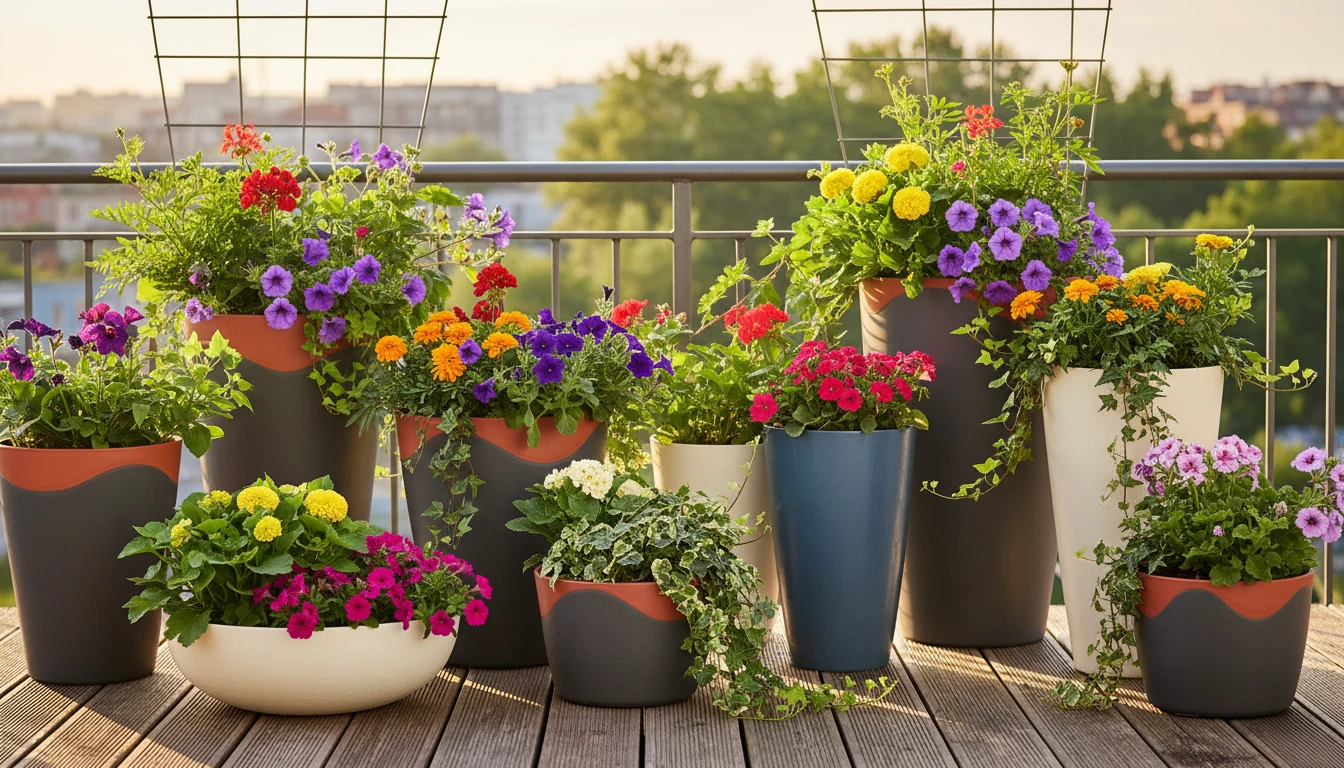
Fortunately, gardeners no longer have to choose between beauty and practicality. A new generation of lightweight containers offers the perfect solution, combining durability, style, and ease of use. The main players in this category are high-quality plastics, fibreglass composites, and innovative fabric grow bags. These materials are engineered to be strong yet easy to move, allowing you to rearrange your garden layout, bring plants indoors for the winter, or simply clean around them without strain. This mobility is a game-changer for anyone with a balcony, patio, or a desire to frequently refresh their green space.
Durable and Stylish Plastics
Plastic pots have come a long way from the flimsy, quick-to-fade options of the past. Modern plastic containers are often made from UV-stabilised, high-density materials that resist cracking and maintain their colour for years. They are affordable, incredibly lightweight, and available in a vast array of colours and styles. Because they are non-porous, they retain moisture better than terracotta, which is a significant benefit for moisture-loving plants or for gardeners in hot, dry climates. This improved water retention means you'll spend less time watering and your plants will stay hydrated longer.
The Elegance of Fibreglass
For those who love the look of stone or ceramic but not the weight, fibreglass is an exceptional choice. These pots are made by combining glass fibres with resin, resulting in a material that is both incredibly strong and surprisingly light. The real magic of fibreglass is its aesthetic versatility. It can be moulded into almost any shape and finished to convincingly mimic heavy materials like aged stone, glazed ceramic, or even metal, all while being a fraction of the weight. They are highly durable, weather-resistant, and won't crack in freezing temperatures, making them a long-term investment for any garden.
Fabric Pots for Healthier Roots
Fabric pots, also known as grow bags, offer unique benefits for plant health. Made from a breathable, non-woven fabric, these containers prevent a common problem seen in hard-sided pots: circling roots. When roots reach the edge of a fabric pot, they are exposed to air, which naturally prunes them. This process encourages the plant to develop a more fibrous and efficient root system, leading to healthier, more robust growth. Fabric pots also provide excellent drainage, virtually eliminating the risk of overwatering and root rot. They are lightweight, foldable for easy storage, and a fantastic choice for growing everything from vegetables to flowers.
No Compromise on Plant Variety
A common concern is whether lightweight pots can support a wide variety of plants. The answer is a resounding yes. The material of a pot is far less important than its size and drainage capabilities. As long as you choose a container that is large enough to accommodate your plant's root system, you can grow nearly anything in a lightweight pot. From seasonal annuals, herbs, and vegetables to larger shrubs and even small trees, the options are limitless. The key is to match the pot size to the mature size of the plant, ensuring it has enough room to thrive without becoming root-bound.