




A New Chapter for Indian Railways
The Ministry of Railways has embarked on an ambitious mission called the Amrit Bharat Station Scheme, which aims to redevelop over 1,300 stations across the country. This isn't just a fresh coat of paint or a few new benches. The vision is to turn these
transit points into vibrant 'city centres' that serve as gateways to local culture and commerce. A key part of this nationwide initiative involves the inauguration of 103 redeveloped stations, a project that signals a major leap forward in blending heritage preservation with modern infrastructure. The core philosophy, as stated by officials, is "Vikas bhi, Virasat bhi"—development with heritage.
What Does a 'Cultural Upgrade' Mean?
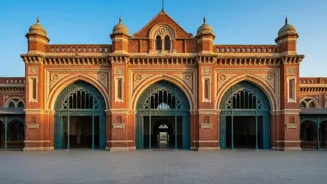
The upgrades are designed to be location-specific, ensuring that each station reflects the unique identity of its region. This means the architecture of a redeveloped station's facade might draw inspiration from a local landmark, like the Modhera Sun Temple for Ahmedabad station or the Jagannath Temple for Puri station. Inside, the changes are both aesthetic and functional. Passengers will find improved waiting areas, modern restrooms, free Wi-Fi, better lighting, and new passenger information systems. Many stations will also feature local art, such as Madhubani artwork at Bihar's Thawe station or Aipan art at Harrawala station in Dehradun, turning them into showcases of regional craftsmanship.
More Than Just a Makeover
Beyond the visual enhancements, the scheme focuses heavily on improving the passenger experience. Accessibility is a major priority, with new ramps, lifts, escalators, and tactile pathways for Divyangjan (persons with disabilities), aligning with the Accessible India Campaign. The plan also includes integrating stations with the surrounding city, creating multimodal connectivity with bus stands and other transport options. Furthermore, the 'One Station One Product' scheme provides dedicated kiosks for local artisans and self-help groups to sell their products, directly boosting local economies and giving travelers a taste of the region's unique offerings.
Spotlight on Transformed Stations
While over a thousand stations are slated for redevelopment, several heritage structures are already seeing significant changes. Byculla railway station in Maharashtra, a Grade I heritage structure dating back to 1853, is being revitalized under the scheme. In Rajasthan, Jaisalmer station has been rebuilt to reflect the region's golden-yellow sandstone heritage architecture while incorporating modern amenities. Similarly, the station in Ayodhya has been redesigned to echo the traditional architecture of the city's temples. These projects demonstrate a careful balancing act: preserving the historic soul of these structures while equipping them for the 21st century.
A Journey into India's Future
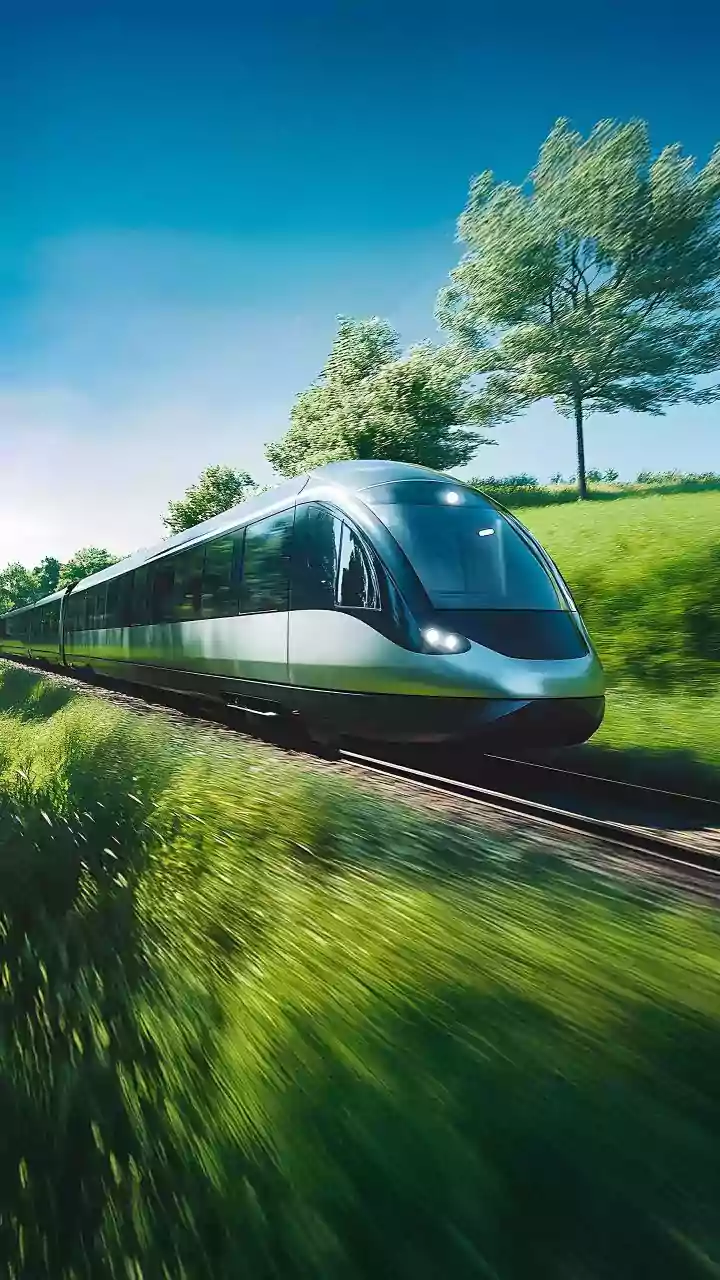
This large-scale redevelopment is part of a broader vision for a 'Viksit Bharat' (Developed India) by 2047. By transforming railway stations, the government aims to do more than just improve travel; it seeks to create hubs of social and economic activity that instill a sense of national pride. The stations are being reimagined not just as places to pass through, but as destinations in themselves—spaces that celebrate India's rich history while confidently striding into a modern, more connected future. The project represents one of the largest station modernization initiatives in the world, carried out while keeping one of the busiest rail networks operational.