




The Cold, Hard Truth About Your Fridge
We think of the refrigerator as the ultimate preservation tool, a chilly haven that extends the life of everything we eat. While that's true for dairy, meat, and leafy greens, for many other foods, the cold environment is a serious problem. Low temperatures
can halt ripening processes, damage delicate cell walls, and trigger chemical reactions that permanently alter flavour and texture for the worse. An unripe fruit may never sweeten, and a perfect vegetable can turn into a mushy, bland version of itself. Understanding the science behind why this happens is the first step to getting the most out of your groceries and enjoying the full flavour you paid for. It's not about avoiding the fridge entirely, but using it smartly.
The Countertop Champions: Tomatoes, Potatoes, and Bread
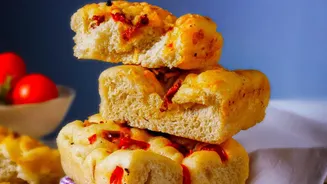
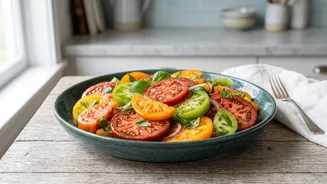
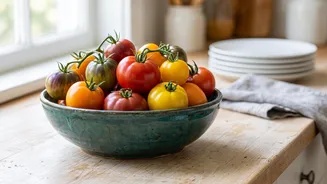
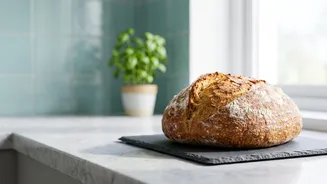
Three of the most common kitchen staples are also the most misunderstood when it comes to storage. Let's start with tomatoes. When a tomato is chilled, the cold temperature effectively shuts down the enzymes that produce its complex, aromatic flavour compounds. This damage is permanent; even if you let it return to room temperature, the flavour is gone for good. The cold also breaks down the membranes within the fruit, leading to that dreaded mealy, watery texture. Potatoes suffer a different fate. In the cold, their starches begin converting into sugar, a process known as 'cold-induced sweetening'. This makes them taste oddly sweet and gives them a gritty texture when cooked. It also causes them to brown much faster when fried or roasted. And bread? The fridge is its worst enemy. Cold temperatures accelerate a process called starch retrogradation, which causes the bread to go stale much faster than it would at room temperature. A bread box or even a paper bag is a far better choice for short-term storage.
Don't Forget Onions and Garlic
In almost every Indian kitchen, onions and garlic are the foundation of countless dishes. Storing them correctly is crucial. Both need to be kept in a cool, dark, and dry place with good air circulation. Think a pantry basket or a mesh bag, not a sealed plastic one. The refrigerator is far too humid for them. The excess moisture encourages mould and sprouting, causing the bulbs to become soft and unusable long before their time. It’s also wise to store them away from other produce. Onions, in particular, should not be kept with potatoes, as the gases they release can cause each other to spoil more quickly.
Consider Your Climate and Ripeness
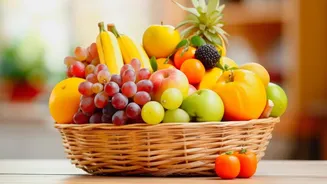
Storage logic isn't one-size-fits-all; it depends heavily on your local climate and the state of the food itself. In the heat and humidity common across India, pantry storage can be a challenge. Foods like bread might mould on the counter before they have a chance to go stale. In such cases, a strategic compromise is needed. Freezing bread is an excellent alternative, preserving it perfectly until you're ready to toast a few slices. Similarly, while most unripe fruits like bananas and mangoes should be kept out to develop their sugars, a hot climate can ripen them too quickly. The key is to use the refrigerator as a pause button, not a default home. Let your fruits ripen on the counter first. Once they reach peak ripeness, you can move them to the fridge for a few days to hold them in that perfect state until you're ready to eat them. This prevents them from becoming overripe and mushy.