







More Than Just a Bigger Plane
For frequent flyers accustomed to the standard single-aisle Airbus A320 or Boeing 737 on domestic routes, stepping onto a widebody aircraft like a Boeing 777, 787 Dreamliner, or the new Airbus A350 is a game-changer. These are the planes typically reserved
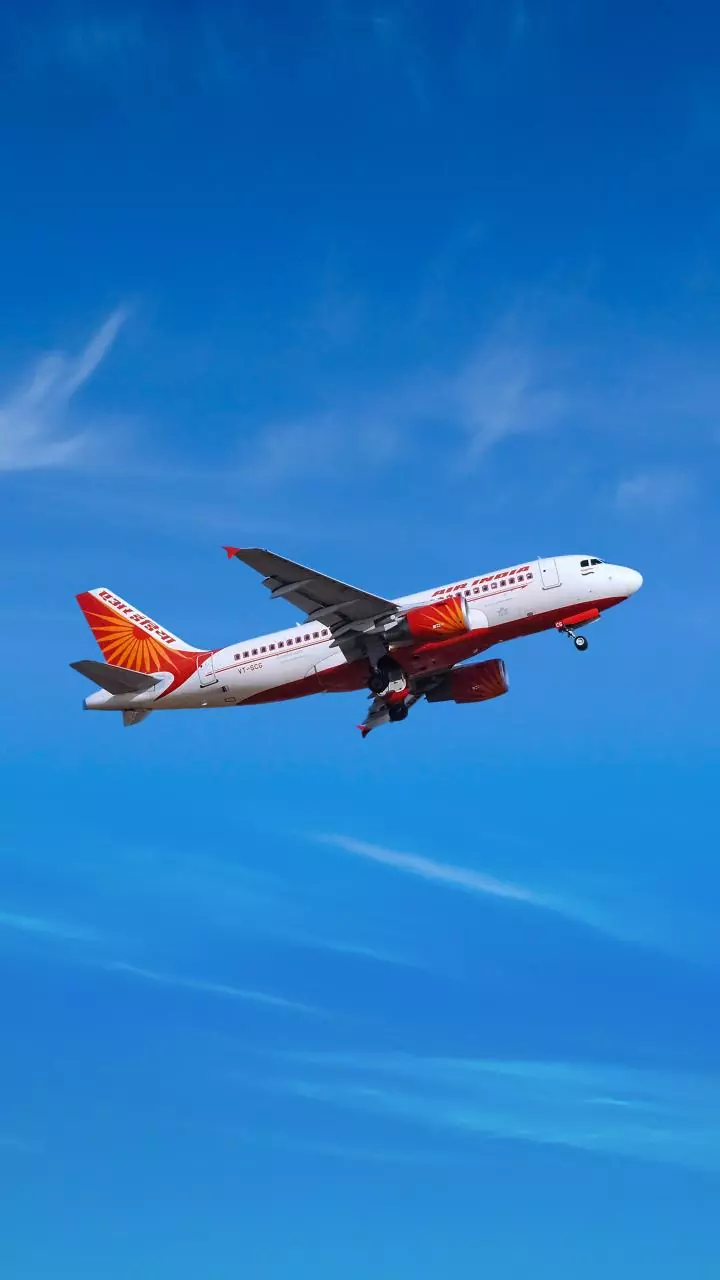
for long international journeys, featuring two aisles, a much roomier cabin, and a generally smoother, more stable ride. Historically, seeing a widebody on a short domestic hop was a rare occurrence, often for repositioning the aircraft for an international leg or for crew training. However, airlines like Air India are now intentionally scheduling these larger jets on high-density routes connecting cities like Delhi, Mumbai, Bengaluru, Chennai, and Hyderabad. This isn't just an occasional swap; it's a strategic move, creating a new premium category in domestic travel. For passengers, it means the chance to experience an international-grade hard product on a flight that might last only a couple of hours.
A Taste of International Luxury
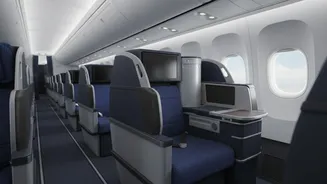
The most significant upgrade is in the premium cabins. These aircraft bring true international-style business class to domestic skies, with seats that convert into fully flat beds. Reviews of Air India's new A350 business class, for instance, have been overwhelmingly positive, even on short flights. Passengers describe spacious seats with sliding privacy doors, large entertainment screens, and a level of comfort previously unheard of on a Delhi-Mumbai run. The experience is enhanced with elevated meal services, featuring multi-course menus and premium crockery. While alcohol is not served on domestic flights, the attention to detail in food presentation and quality marks a clear departure from the standard fare. Even in economy, the wider cabin, larger overhead bins, and advanced in-flight entertainment systems offer a noticeable improvement in comfort over their narrowbody counterparts.
The Strategy: Why Now?
This trend isn't just about passenger comfort; it's rooted in sharp airline strategy. Firstly, deploying new long-haul aircraft on domestic routes allows crews to get familiar with the planes in a controlled environment before they are put on demanding international schedules. Secondly, on trunk routes with high demand, a single widebody flight can replace multiple narrowbody services, helping to deal with airport slot constraints. It's an efficient way to move a large number of passengers. Finally, it's a competitive tool. By offering a superior product, airlines can attract high-yield corporate and leisure travelers who are willing to pay a premium for comfort, even on a short flight. It helps build brand perception and sets a new standard, putting pressure on competitors to respond.
The Service Question Mark
Here’s the catch: a great seat doesn't always guarantee great service. The central question raised by this new trend is one of consistency. While many passenger reviews praise the courteous and hospitable cabin crew on these new planes, there are lingering concerns. The service culture on a two-hour flight is fundamentally different from that on a 10-hour one. Can airlines consistently deliver a premium, long-haul level of service in a compressed timeframe? The challenge is ensuring that the entire crew, from check-in staff to cabin attendants, delivers an experience that matches the luxurious new hardware. Some reports note that while the onboard experience can be excellent, issues with ground services or inconsistent boarding processes can detract from the overall premium feel. As airlines like Air India continue to refurbish their older widebody fleet, the gap between the new and the old can also create a lottery effect for passengers, where the experience can vary dramatically depending on the specific aircraft you get.