



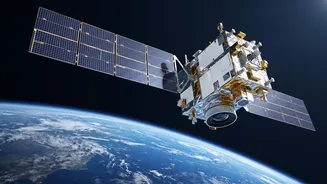

A Vision Postponed
The story of EOS-05 begins with its predecessor, a satellite that never made it. For years, the Indian Space Research Organisation (ISRO) had a groundbreaking vision: to place a high-resolution imaging satellite into a geosynchronous orbit (GEO) approximately
36,000 kilometres above the Earth. Unlike conventional Earth observation satellites that fly in low-Earth orbit and pass over a specific location only periodically, a GEO satellite remains fixed over one large region. This would give India the unprecedented ability to continuously monitor the subcontinent for everything from rapidly developing cyclones and forest fires to strategic movements along its borders. The original satellite intended to fulfill this role was GISAT-1, later designated EOS-03. It was meant to be a game-changer, providing real-time data crucial for disaster management and national security. Hopes were incredibly high for a capability that few nations possess.
The 2021 Setback
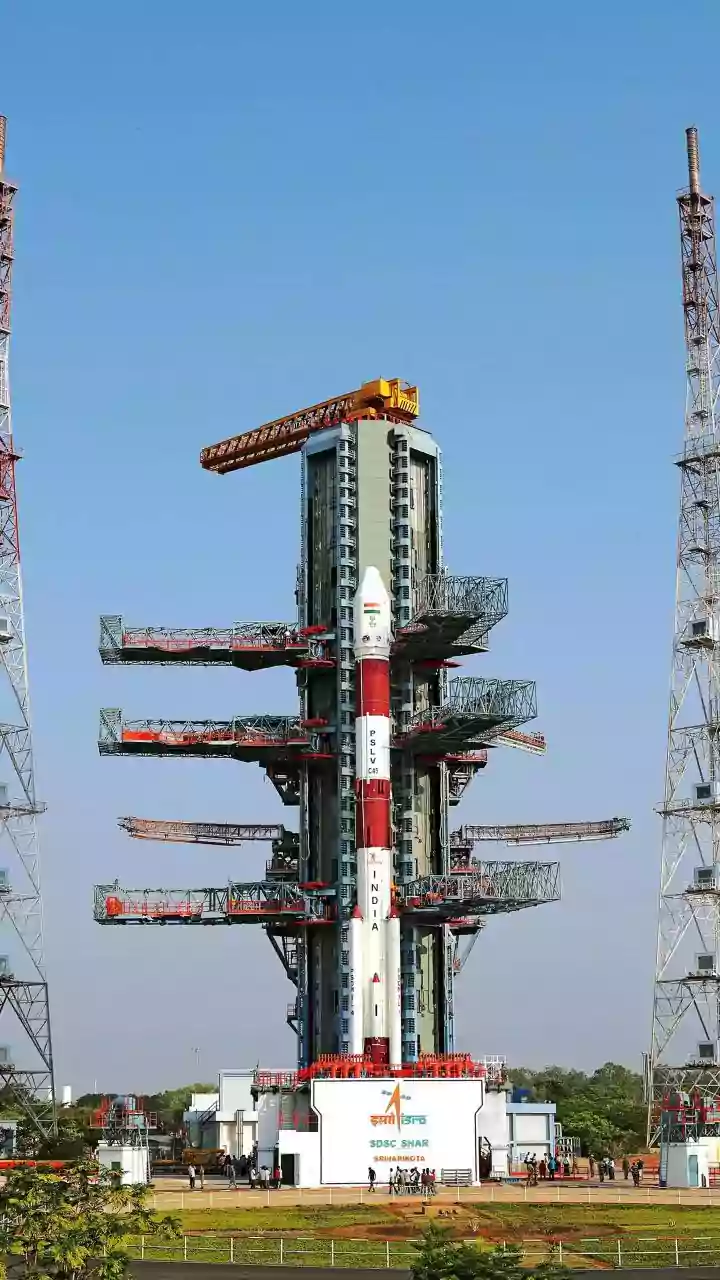
On August 12, 2021, that vision was abruptly put on hold. The GSLV-F10 rocket carrying the EOS-03 satellite lifted off from Sriharikota, but the mission ended in failure. While the first two stages of the powerful rocket performed perfectly, a technical anomaly occurred in the final, cryogenic upper stage. An investigation later revealed that a faulty valve led to a drop in pressure in the liquid hydrogen fuel tank just as the final engine was supposed to ignite. Without that crucial final push, the rocket could not achieve the velocity needed to place the satellite into orbit, and the valuable payload was lost. The failure was a significant blow for ISRO, not just because of the loss of a state-of-the-art satellite, but because it delayed a critical strategic capability India had been working towards for years. The dream of a persistent eye in the sky would have to wait.
The Comeback Mission
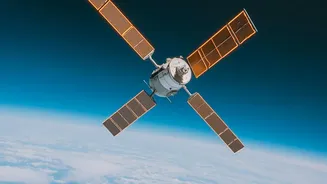
Five years later, attention is growing again, this time for all the right reasons. On September 4, 2026, ISRO launched EOS-05, the successor mission designed to finally achieve what EOS-03 could not. The launch carried immense pressure. It was not only a second attempt at a high-stakes capability but also came after a quiet period for ISRO, marking the agency's first major success of 2026 after a nearly eight-month launch hiatus. This time, the GSLV rocket, once nicknamed 'Naughty Boy' for its early inconsistencies, performed flawlessly. It successfully placed the 2,367 kg EOS-05 satellite into its intended transfer orbit, from where the satellite will use its own power to reach its final geostationary position. The success marked a moment of triumph and relief, demonstrating ISRO's resilience and its ability to diagnose and correct complex technical issues.
India's New 'Eye in the Sky'
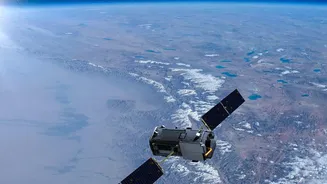
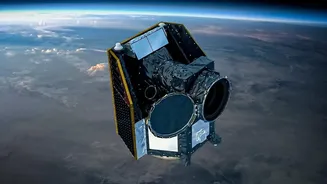
With EOS-05 now in orbit, India gains the powerful surveillance tool it has long sought. The satellite is equipped with advanced imaging instruments that can observe the Earth in multiple spectral bands, providing rich data for a wide range of applications. Its primary advantage is its constant watchfulness. For disaster management agencies, this means the ability to track the development of cyclones in near real-time, monitor the spread of floodwaters, and observe forest fires as they evolve. For agricultural and environmental planning, it can provide frequent updates on crop health and water resources. Furthermore, the satellite offers significant strategic value, enabling continuous monitoring of large areas of interest along India's borders. This persistent stare from 36,000 km up provides a layer of security and situational awareness that was previously unavailable from polar-orbiting satellites.