







More Than Just a Fever
Dengue isn't a single-stage illness; it typically progresses through three phases. The first is the febrile phase, lasting two to seven days, characterized by high fever, severe headache, and joint pain—earning it the name "breakbone fever". This is when
most people feel the sickest. However, the most dangerous part of the illness often begins just as the fever starts to subside. This is the critical phase, which usually lasts for 24 to 48 hours. Many mistake the drop in temperature as a sign of recovery, but this is precisely when the risk of severe complications is at its highest. The final stage is the recovery phase, when the body begins to heal.
The Deceptive Calm Before the Storm
The critical phase, which typically starts between day three and day seven, is defined by a phenomenon called plasma leakage. In some patients, the tiny blood vessels (capillaries) become permeable, allowing the liquid part of the blood, or plasma, to leak into the surrounding tissues. This leakage causes two major problems. First, the blood thickens, which is measured by a rising hematocrit level in blood tests. Second, the platelet count, which is essential for clotting, begins to fall rapidly. If left unmanaged, this combination can lead to severe dehydration, a dangerous drop in blood pressure, and shock. This is known as Dengue Hemorrhagic Fever (DHF) or Dengue Shock Syndrome (DSS), which can be fatal.
The Myth of a 'Magic' Cure
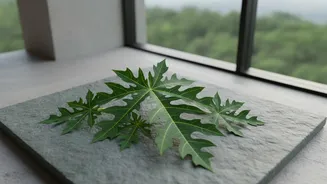
In the face of dropping platelet counts, many people turn to popular home remedies like papaya leaf extract and goat milk. While some studies on regulated medicinal extracts of papaya leaf show potential for supportive therapy, there is no scientific evidence that raw, homemade juices or goat milk can cure dengue or, more importantly, stop the life-threatening process of plasma leakage. Doctors warn that relying on these remedies can create a false sense of security. Watching a platelet count rise slightly at home does not mean the underlying danger of plasma leakage and shock has passed. Furthermore, some of these remedies can cause nausea or gastritis, worsening the patient's condition.
What Doctors Are Really Watching For
When a doctor monitors a dengue patient, they are not just looking at the platelet count. They are performing daily, sometimes twice-daily, blood tests to track the relationship between platelets and hematocrit. A rapidly falling platelet count combined with a rising hematocrit is a major red flag that indicates the patient is entering the critical phase and may require hospital admission. Clinical management focuses on meticulous fluid balance. This often involves intravenous (IV) fluids to counteract plasma leakage and maintain blood pressure, preventing the slide into shock. This careful, measured intervention is something that cannot be replicated at home and is the cornerstone of preventing dengue-related deaths.
Warning Signs You Cannot Ignore
Knowing the warning signs of severe dengue is crucial, especially during the critical phase when the fever may have already broken. If you or a family member with dengue experiences any of the following, seek immediate medical help at a hospital. Severe abdominal pain or tenderness Persistent vomiting (at least three times in 24 hours) Bleeding from the nose or gums Blood in vomit or stool Feeling tired, restless, or irritable Difficulty breathing or rapid breathing Cold, clammy skin Reduced urine output