



Two Clocks Ticking in the Same Hills
For years, nature lovers have marked their calendars for 2030, the year the next great Neelakurinji bloom was expected to carpet the famous slopes of Eravikulam National Park. That grand event last occurred in 2018, following its predictable 12-year cycle.
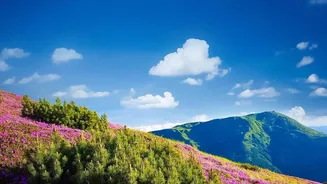
However, the Western Ghats operate on multiple timelines. The spectacular bloom currently underway in 2026 is not an early arrival of the 2030 event, but a different population of the same Strobilanthes kunthiana species flowering on its own precise 12-year clock. This specific group, located around the Chokramudi and Mattupetty hills, last bloomed in 2014, making 2026 its scheduled moment to shine. This distinction is crucial: while the famed Eravikulam bloom is yet to come, visitors in 2026 are witnessing an equally rare and beautiful, but geographically separate, mass flowering.
What Makes Neelakurinji So Special?
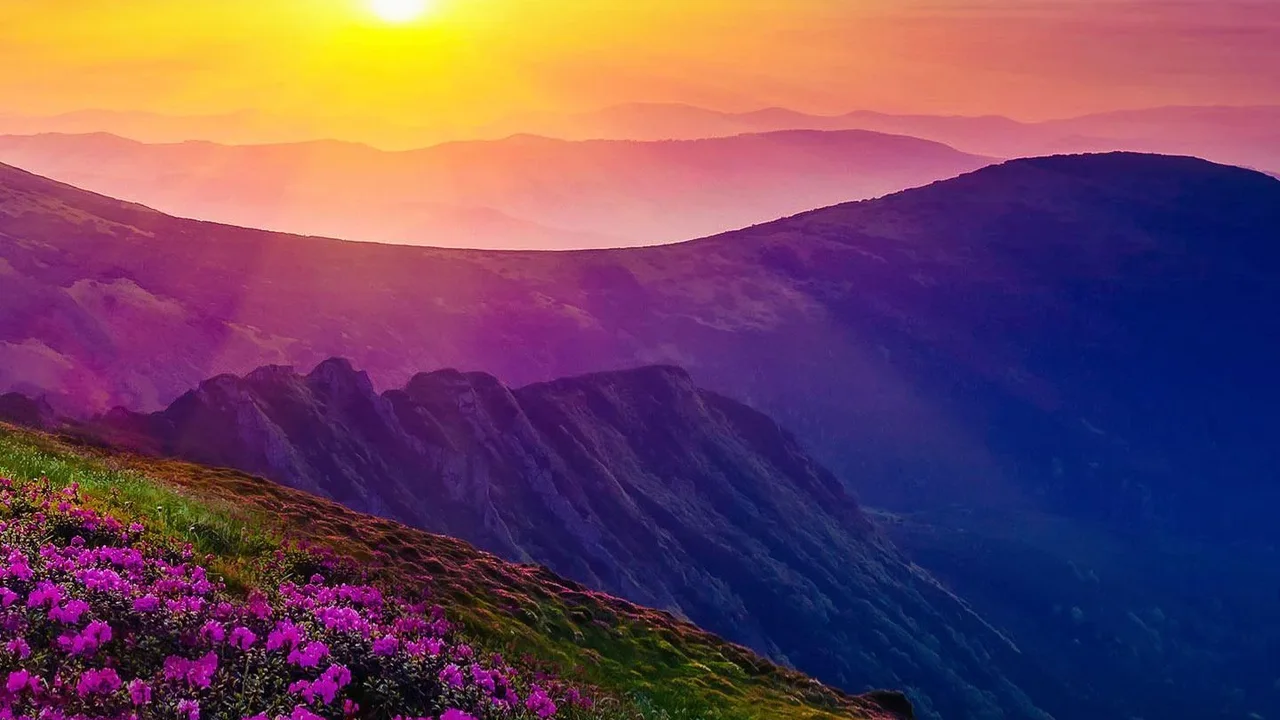
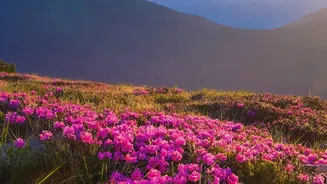
The magic of Neelakurinji lies in its unusual life cycle, a phenomenon known as gregarious flowering. Each plant flowers only once in its lifetime, a process called monocarpy. After waiting patiently for 12 years, an entire generation of these shrubs bursts into a synchronised bloom across hillsides, producing seeds for the next generation before dying. This mass flowering transforms the landscape into a sea of purple-blue, a sight that has inspired folklore and even given the Nilgiri Mountains—the 'Blue Mountains'—their name. The Paliyan tribal community, for example, has historically used the 12-year cycle as a reference to calculate their age. Beyond its beauty, the bloom plays a vital ecological role, attracting a flurry of bees and butterflies and resulting in a rare, coveted honey known as Kurinjithen.
Where to See the 2026 Bloom
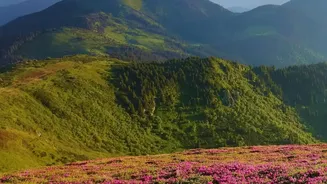
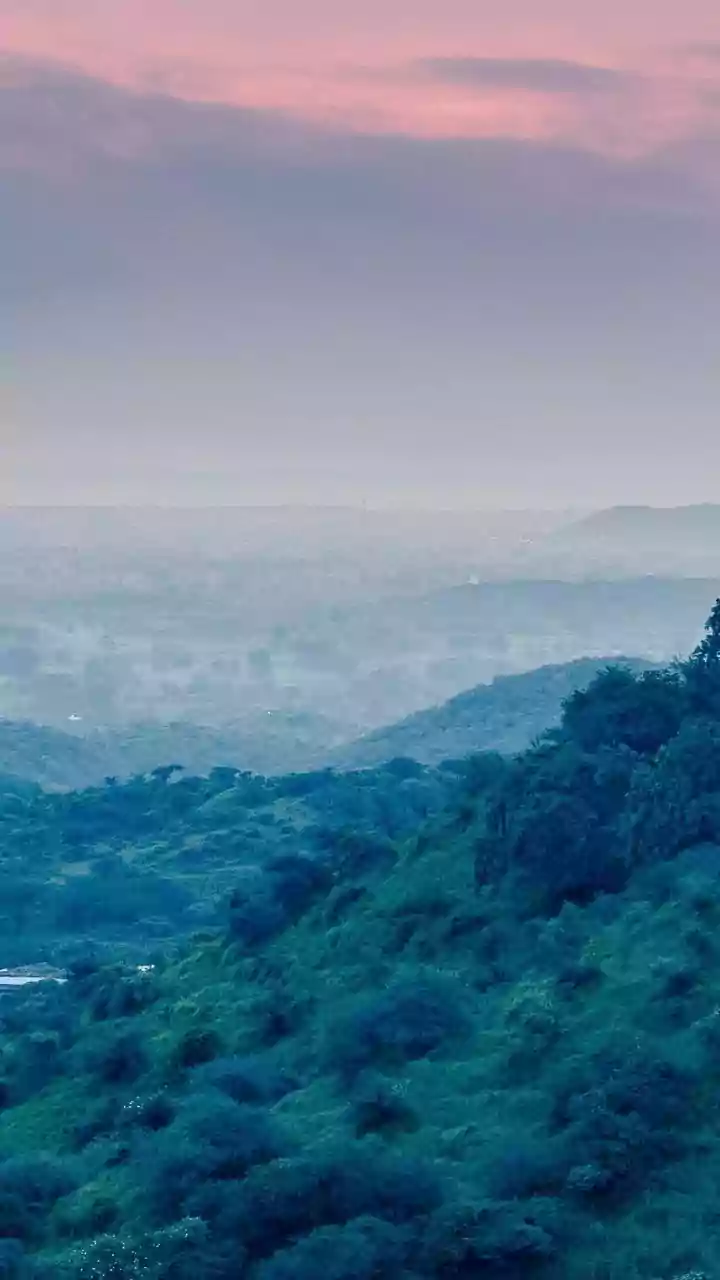
The epicentre of the 2026 bloom is not the more famous Eravikulam National Park, but the hills around Chokramudi, Korandakkad, and Mattupetty. Since flowering began in August, authorities have been preparing for an influx of visitors. The Kurinji Garden at Chokramudi officially opened to visitors on August 24, 2026, with specific entry fees and visiting hours. To manage traffic and protect the fragile ecosystem, private vehicles are restricted, and visitors are required to use special shuttle buses to reach the designated viewing areas. The peak blooming period is expected to last through September and October, offering a breathtaking view of the purple-carpeted grasslands against the green tea estates.
A Call for Responsible Tourism
The return of the Neelakurinji is both a celebration and a delicate moment for conservation. Strobilanthes kunthiana was recently added to the IUCN Red List of Threatened Species, highlighting the vulnerability of its high-altitude grassland habitat. The ecosystems where these flowers grow face threats from habitat loss, invasive species, and climate change. Officials have issued stern warnings against damaging the plants, with strict penalties for plucking or uprooting the flowers. Visitors are urged to stay on designated paths, avoid littering, and appreciate the spectacle without leaving a trace. By managing tourism carefully, authorities hope to ensure that this natural wonder continues for future generations, with the next bloom in this specific area not expected until 2038.