



The Unique Soul of Batik
Batik is more than just a patterned fabric; it's a piece of handmade art. Originating in Indonesia and practiced for centuries across Asia, this textile is created using a wax-resist dyeing technique. Artisans apply hot wax to cloth to create intricate
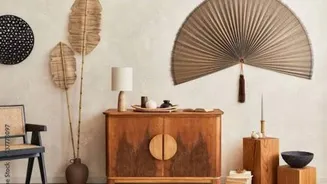
designs, then dye the fabric. The wax resists the dye, and after it's removed, a stunning, one-of-a-kind pattern emerges. Because they are made by hand, no two batik fabrics are ever identical. This uniqueness is what makes a batik wall hanging such a powerful statement piece. Its inherent character, rich colours, and symbolic motifs provide an instant focal point and a story for your room.
The Art of Echoing Colour
The idea that everything in a room must match is an outdated design rule. A more sophisticated approach is to create a 'visual thread' by echoing colours. Instead of trying to find a rug that is the exact same shade of blue as your batik, pick up on one or two of its secondary or accent colours. A wall hanging with deep indigo, rust, and cream can inspire you to choose rust-coloured cushions, a cream-toned throw, and perhaps a few small decorative items in a similar indigo. This repetition creates a sense of intentionality and flow without feeling rigid or contrived. The goal is to make the different elements feel like they belong to the same family, complementing each other to tell a cohesive story.
Building Your Colour Palette
To effectively echo colours, start by identifying the main hues in your batik hanging. A helpful guideline is the 60-30-10 rule. Choose a dominant colour from the batik (or a neutral that complements it) to make up about 60% of your room's colour scheme, which often includes wall colour. Select a secondary colour from the textile for about 30% of the room, which could be your rug or an armchair. Finally, use one of the brightest or most interesting accent colours from the batik for the final 10%—think throw pillows, vases, or artwork. This balanced approach ensures the colours are distributed thoughtfully, creating harmony and preventing any single hue from overwhelming the space.
Layering Patterns and Textures
Mixing patterns can feel daunting, but it adds incredible depth and personality. The key is to vary the scale. If your batik features a dense, intricate pattern, pair it with larger, more graphic patterns on your rug or cushions. For example, a delicate floral batik could work beautifully with bold stripes or a simple geometric print, as long as they share a common colour. Texture is another crucial layer. The smooth, tight weave of a cotton batik contrasts wonderfully with a nubby wool rug, a chunky knit blanket, or velvet cushions. This interplay of different textures makes a room feel collected and visually interesting, preventing it from looking flat.
Displaying Your Textile Art
How you hang your batik is just as important as its placement. A simple and elegant method is to use a wooden dowel or curtain rod. Create a channel by folding over the top edge of the fabric and sewing it, then simply slide the rod through and mount it on the wall. For a more secure or formal display, especially for heavy or precious textiles, you can mount the fabric on a fabric-covered frame or use a Velcro mounting system, which is often preferred by museum conservators as it distributes the weight evenly. Consider framing smaller pieces under glass for a polished look. Place the hanging in a prominent location, such as above a sofa, behind a bed, or in an entryway, where it can serve as the beautiful anchor you’ve designed the room around.