


An Orbital Outpost for a New Era
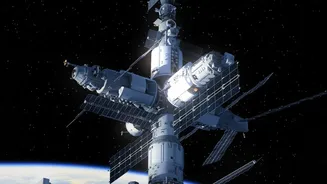
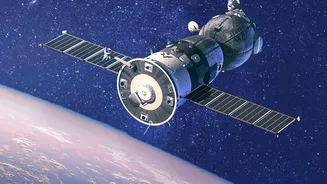
By 2035, India plans to have its own fully operational space station, the Bharatiya Antariksha Station (BAS), orbiting 400 kilometres above the Earth. This modular outpost, weighing around 52 tonnes, will be a significant leap from the temporary sojourns
of the Gaganyaan missions. Designed to host three to four astronauts for months at a time, the BAS is India’s answer to the shifting dynamics in low-Earth orbit. As the venerable International Space Station (ISS) nears its retirement, nations like China have already established their own orbital presence. For India, the BAS is a statement of strategic autonomy, ensuring the nation has sovereign access to space for scientific research, technology development, and a continuous human presence in the final frontier.
Understanding the ‘Baseline’ Model
When we think of a space station, the ISS is the typical model—what engineers might call the baseline. It’s a marvel of international collaboration, with modules built by different countries and pieced together in orbit over many years like a complex set of cosmic building blocks. This approach was revolutionary, but it also created dependencies. Its systems, docking ports, and operational protocols are a product of multinational agreements and shared technologies. The primary purpose was to create a shared laboratory in space. While incredibly successful, this collaborative model represents one specific way to build and operate a space station, a baseline against which new concepts can be measured.
How India Is Moving Beyond
ISRO's vision for the BAS moves beyond simply replicating the ISS model. The phrase 'beyond baseline engineering' points to a philosophy rooted in self-reliance and long-term strategy. A core pillar of this approach is Atmanirbhar Bharat (self-reliant India). While early human spaceflight missions may use some internationally sourced components, the government has mandated the indigenous development of critical systems for the BAS. This includes everything from flight suits and life support to advanced docking mechanisms. By tasking Indian industry with fabricating the station's modules, ISRO is not just building a station; it is cultivating a domestic high-technology manufacturing ecosystem capable of supporting future deep-space ambitions. This sovereign control over the entire technology chain is a fundamental departure from the ISS's multinational dependency.
Strategic Design for the Future
The station’s design reflects a deliberate, forward-thinking strategy. For instance, the BAS will share a similar orbital inclination to the ISS. This is a savvy move that keeps the door open for future international collaboration, simplifies potential rendezvous scenarios, and allows India to leverage existing global ground-station networks. Furthermore, the development plan is methodical. The first module, set for a 2028 launch, will initially focus on robotic operations before crewed missions become the norm. This phased approach allows ISRO to test and validate critical systems in a controlled manner. The BAS is not being designed as a final destination but as a crucial waypoint. It is explicitly intended to serve as a transit hub and testing ground for technologies needed for more ambitious future goals, such as sending Indian astronauts to the Moon by 2040.
The Roadmap to an Indian Sky-Lab
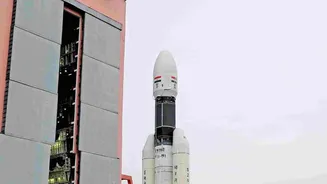
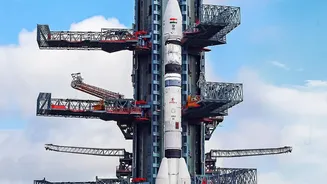
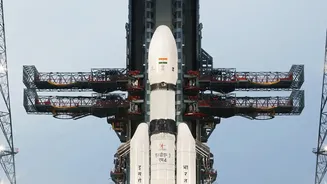
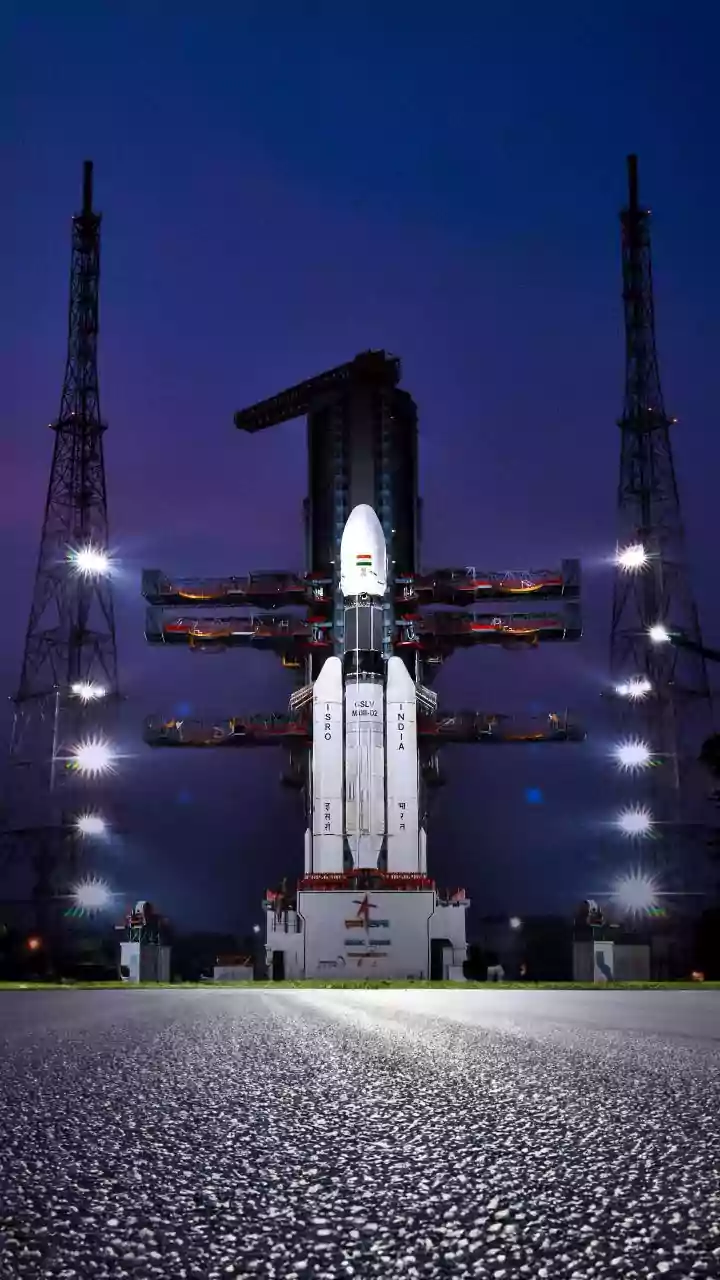
The path to 2035 is a marathon, not a sprint. The project is broken into manageable phases, starting with the launch of the foundational BAS-01 module aboard an LVM3 rocket by 2028. Recent government updates confirm that the baseline design review for this first module is complete, and subsystem design is now underway. Following the first launch, four more modules—including a core docking module and dedicated science labs—will be added to complete the station. This entire endeavor builds directly upon the capabilities perfected during the Gaganyaan programme, from the human-rated launch vehicle to the life support and re-entry systems. Every successful Gaganyaan flight is another confident step towards building and inhabiting India's own corner of the cosmos.