






The Mahabaleshwar Phenomenon
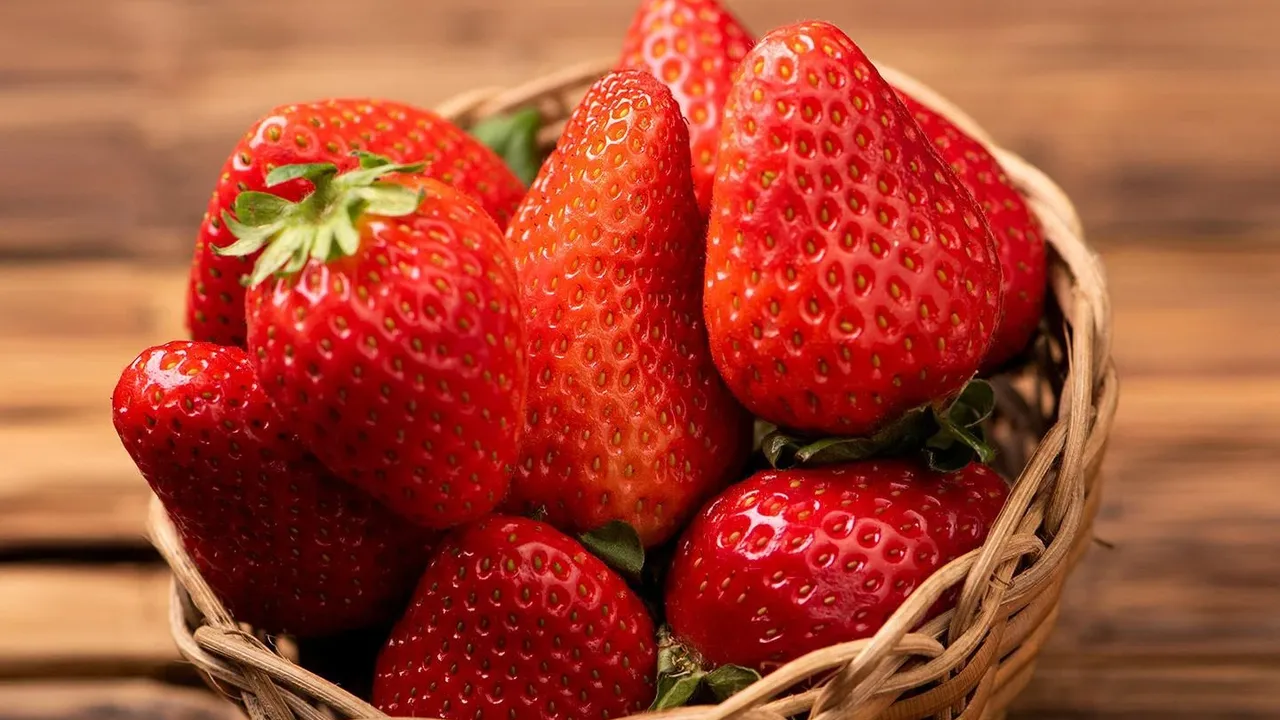
The story of India's strawberry industry is rooted in the hills of Mahabaleshwar, Maharashtra. This region, often called India's 'Strawberry Capital', accounts for over 85% of the country's total production. The journey began in earnest in 1992 when a farmer
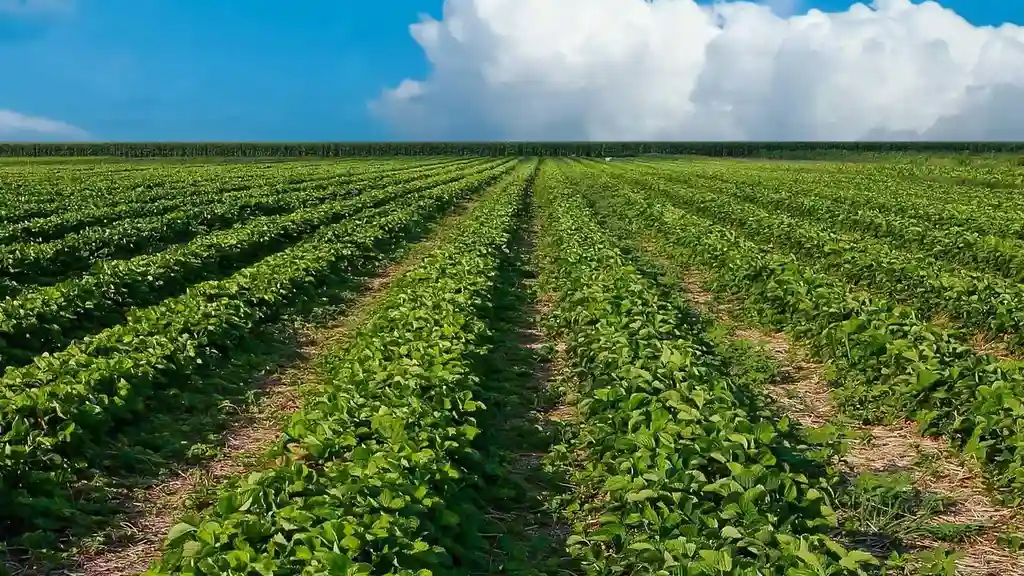
imported the 'Chandler' variety from California, an experiment that revolutionised local agriculture. The region's cool climate, iron-rich red soil, and ideal temperatures of 18-25°C provide a perfect cradle for the fruit. This unique terroir was officially recognised in 2010 when the Mahabaleshwar Strawberry received the Geographical Indication (GI) tag. Today, the industry supports over 5,000 families in the area, cultivating around 35,000 tonnes of strawberries annually across 4,000 hectares. While Mahabaleshwar remains dominant, cultivation has expanded to other states like Himachal Pradesh, Uttarakhand, and even non-traditional areas like Rajasthan and the plains of Punjab and Haryana, thanks to modern farming techniques.
The Breeding Imperative
Despite its growth, the Indian strawberry sector has a significant vulnerability: its overwhelming reliance on imported planting material and foreign-developed varieties. Cultivars like Chandler, Sweet Charlie, Camarosa, and Winter Dawn, which are popular in India, originated in breeding programs in places like California and Florida. This dependency creates high costs for farmers and raises questions about adaptability to diverse Indian microclimates. Consequently, there is a strategic push toward developing indigenous strawberry varieties. Indian agricultural research institutions are now actively engaged in breeding programs. The primary goals are to create cultivars with better heat tolerance, resistance to local pests and fungal diseases, higher yields, and traits like improved firmness for longer shelf life and transportability, which are crucial for supplying distant domestic markets.
Scale of the Strawberry Market
India's strawberry production has seen steady growth, reflecting rising domestic demand. While the Mahabaleshwar-Panchgani belt is the heart of production, the expansion into new territories is broadening the market's scale. As of the 2020-21 season, India's output was estimated at around 19,840 metric tonnes, and this figure continues to climb with the adoption of modern methods like polyhouse farming and hydroponics. The economic importance of strawberries is significant; it's a high-value crop that offers farmers potentially higher returns compared to many other fruits. The market isn't just for fresh fruit. A substantial portion of the produce is channelled into the processing industry for jams, syrups, ice creams, and other value-added products, though this sector remains largely small-scale.
Wider Context and Future Challenges
The future of Indian strawberry cultivation is shaped by a mix of opportunities and challenges. Climate change presents a major hurdle, with unpredictable weather patterns affecting traditional growing seasons. Fungal diseases, thriving in warm and humid conditions, are another significant threat, often forcing farmers to apply pesticides multiple times in a season, increasing costs and environmental concerns. Furthermore, complex supply chains and a lack of direct market access can prevent farmers from getting fair prices for their produce. Developing homegrown varieties is seen as a key solution. An indigenous berry, bred specifically for Indian conditions, could offer better resistance to local diseases and greater tolerance to climate variability. Success in this area would reduce production costs for farmers, strengthen the domestic supply chain, and improve India's competitiveness in international markets, potentially expanding export capabilities beyond the current limited scope.