



Beyond a Visual Check
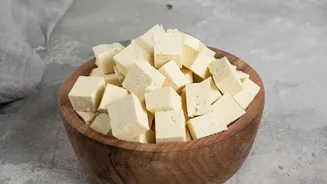
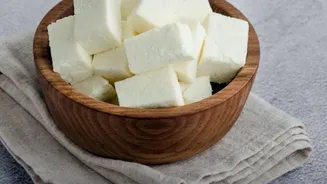
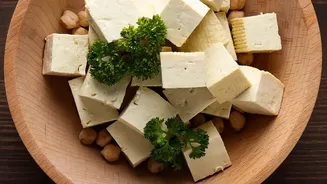
A block of paneer might look perfectly white and firm, but that isn't a guarantee of freshness. Because it's a fresh cheese with high moisture content and no preservatives, paneer is an ideal environment for bacteria to grow. Spoilage can begin on a microscopic
level long before visible signs like mould appear. The first things to degrade are often the smell and texture. Relying only on how it looks can lead you to use paneer that has already started to turn, potentially affecting the taste of your dish and, more importantly, your health.
The Key Signs of Spoilage
Your senses are your best tools for detecting bad paneer. First, trust your nose. Fresh paneer has a mild, milky aroma. If it smells sour, fermented, or slightly acidic, it's a major red flag. Next is the touch test. The surface should be smooth and firm. If it feels slimy, sticky, or unusually soft and watery, the paneer has started to spoil. Finally, look for any discolouration. Yellowish edges indicate the paneer is drying out and oxidising, which is the first step towards spoilage. Any green or black spots are mould, and the entire block should be discarded immediately. With soft cheeses like paneer, you cannot simply cut the mouldy part off.
The Right Way to Store Paneer
Proper storage is crucial to extending paneer's life. The best method for fresh or opened paneer is to submerge it in water. Place the paneer block in an airtight container and fill it with enough water to cover it completely. Seal the container and store it in the coldest part of your fridge. The most important step is to change the water every single day. This simple habit prevents bacterial buildup and keeps the paneer soft and fresh for up to a week. For short-term storage (one or two days), you can wrap the paneer tightly in a damp muslin cloth before placing it in a container.
Understanding Expiry and Shelf Life
Packaged paneer comes with a 'best-by' or 'use-by' date, which you should always check. Unopened, vacuum-sealed paneer can last significantly longer than fresh paneer, but once the package is opened, its shelf life shortens dramatically. Treat opened packaged paneer just like fresh paneer: store it submerged in water in the fridge and aim to use it within a few days. If you buy loose paneer from a local dairy, it has no preservatives and should ideally be consumed within two to four days. For long-term storage, you can freeze paneer for up to six months. Cut it into cubes, place it in a freezer-safe bag or container, and remove as much air as possible to prevent freezer burn.
The Risks of Eating Spoiled Paneer
Eating spoiled paneer or any spoiled dairy product can lead to food poisoning. The bacteria that cause spoilage can also be accompanied by harmful pathogens. Symptoms of foodborne illness from spoiled dairy typically include stomach cramps, nausea, vomiting, and diarrhoea. While a tiny, accidental taste might not cause a severe reaction, consuming a larger quantity can make you quite sick. The general rule of food safety is always the wisest: when in doubt, throw it out. The risk of digestive distress is not worth it.