

The Heartbreak of a Collapsing Kebab
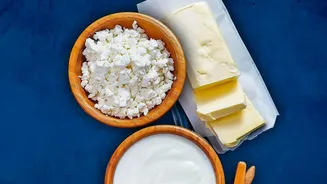
You’ve done everything right: you’ve used good quality, fresh curd, hung it for hours to drain every last drop of whey, and mixed in your favourite aromatic spices. Yet, the moment the delicate patties hit the hot oil, they begin to soften and disintegrate.
It’s a common frustration for home cooks. The main culprit is the very ingredient that makes them so delicious: the hung curd. Its high moisture content and soft, creamy texture make for a fragile mixture that lacks the binding properties of meat or potato-based kebabs. Without a little help, they are prone to breaking apart during the shaping and frying process, turning your dream starter into a savoury scramble.
Your Secret Weapon: The Humble Coating
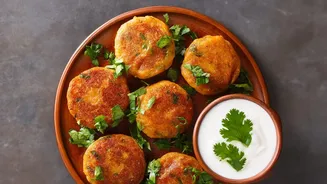
This is where a light outer coating comes to the rescue. It performs two critical functions that are key to a successful dahi kebab. First, it acts as a structural reinforcement. Gently rolling the delicate patty in a dry ingredient like flour or breadcrumbs creates an external layer that helps hold everything together. Second, this coating forms a protective crust the instant it touches the hot ghee or oil. This crust not only delivers that satisfying crunch but also encases the soft yogurt filling, preventing it from oozing out and causing the kebab to lose its shape. It’s a simple step that makes all the difference between a messy pan and a platter of perfectly formed, golden-brown kebabs.
Choosing Your Armour: Flour vs. Crumbs
You have several excellent options for coating your dahi kebabs, each offering a slightly different texture and flavour. Roasted besan (gram flour) is a traditional choice. Roasting the flour beforehand is crucial to remove its raw taste and impart a nutty aroma that complements the curd beautifully. Breadcrumbs are another popular option, especially for those who love an extra-crispy finish. Panko-style breadcrumbs will give you a light, airy crunch, while finer, homemade crumbs provide a more classic texture. For a subtle, fine crispiness, rice flour or sooji (semolina) are fantastic alternatives. Rice flour also has the added benefit of being a great gluten-free option.
The Art of the Perfect Coating
Application is just as important as the choice of coating. The goal is a light, even layer, not a thick, heavy shell. After shaping your patties, gently roll them in your chosen coating until all sides are covered. You can then lightly press the coating onto the surface to ensure it adheres properly. Avoid pressing too hard, as the kebabs are delicate. If the mixture is particularly soft, some cooks recommend placing the shaped patties in the refrigerator for 20-30 minutes before coating and frying. This helps them firm up, making them much easier to handle and less likely to break.
Beyond the Coating: Other Keys to Success
While the coating is a game-changer, a few other fundamentals will ensure your dahi kebabs are restaurant-quality. The most critical is starting with properly hung curd; it should be thick, with almost no water content. Some recipes also incorporate a binding agent directly into the curd mixture, such as roasted besan or a small amount of grated paneer, which adds to the structure and flavour. Finally, be gentle. When frying, place the kebabs carefully into medium-hot oil and allow them to form a golden crust on one side before attempting to flip them. Too much handling in the pan can cause even a well-made kebab to falter.