



Teff: The Tiny Super-Grain
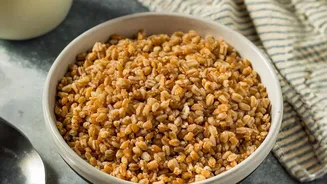
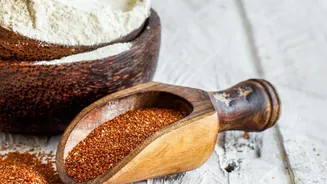
Teff is Ethiopia's most iconic grain and the smallest in the world, with a mild, nutty flavour. It's most famously used to make injera, a spongy, fermented flatbread that is a staple of Ethiopian cuisine. But its power lies in its nutrition. Teff is gluten-free
and packed with protein, fibre, and minerals like iron and calcium, boasting significantly more of these than wheat. Its high fibre content means it provides a slow release of energy, keeping you feeling full for longer. For home cooks in India, teff flour can be a wonderful addition to baking, mixed with regular atta to boost the nutritional value of rotis or chapatis. You can also cook the whole grains into a comforting porridge, similar to cream of wheat, or use the flour to thicken soups and stews.
Sorghum: A Familiar Face in a New Light
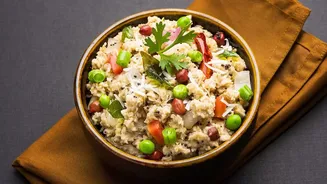
Sorghum, known as 'jowar' in India, is a hardy and widely cultivated ancient grain in both India and Ethiopia. While many Indians are familiar with jowar bhakri, Ethiopian cuisine uses sorghum (or 'zengada') for porridges and traditional flatbreads. One popular breakfast dish is Genfo, a thick, stiff porridge often made from sorghum flour, which is cooked until smooth and served with a spiced butter or oil mixture. Trying sorghum in this new context can be a revelation. You can toast the flour to bring out a nuttier flavour before making a porridge. Whole sorghum grains can be cooked and used in salads for a chewy texture, similar to barley, or popped like popcorn for a healthy snack. Exploring Ethiopian recipes for sorghum can provide new inspiration for a grain that may already be in your pantry.
Finger Millet: The Ragi Connection
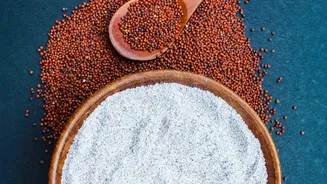
Finger millet, or 'dagusa' in Ethiopia, is another grain that bridges the culinary gap between the two countries, where it's better known as 'ragi'. This highly nutritious millet is a staple crop in both regions, celebrated for its resilience and health benefits. Like in India, Ethiopian finger millet is often ground into flour and used to make porridges and flatbreads. It's prized for its high calcium and iron content. For those already using ragi, Ethiopian preparations offer a subtle twist. Instead of a sweet malt, try a savoury ragi porridge, seasoned with salt, spices, and perhaps garnished with finely chopped onions and chillies for a quick, filling breakfast. The flour can also be used to make a simple, unleavened flatbread, cooked on a pan, offering a nutrient-dense alternative to wheat-based breads.
Barley: The Ancient and Versatile Staple
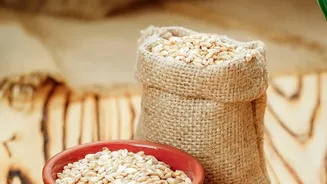
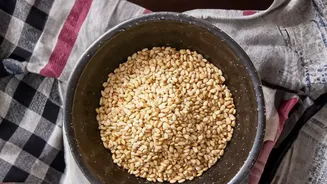
Barley, or 'gebs', is one of the oldest cultivated crops in Ethiopia and is used in a remarkable variety of ways. It's a true workhorse grain, forming the base for foods, snacks, and even beverages. In Ethiopian households, barley is used to make porridge (genfo), fried bread (kita), and roasted as a snack called 'kolo'. It's also the key ingredient in 'beso', a meal blend made from roasted barley flour. A simple way to introduce Ethiopian-style barley into your cooking is by making 'kinche', a cracked barley porridge that is a common breakfast dish. It involves simmering cracked barley until tender and can be served simply with a little oil or butter. You can also use whole barley in hearty soups and stews, where it adds a wonderful chewy texture and earthy flavour.