





In the world of Indian desserts, few dishes are as comforting as a creamy, milk-based pudding. But this is where a common confusion arises: what exactly is the difference between kheer and phirni? Let's settle the delicious debate.
Kheer: The Rustic Classic
Kheer is arguably one
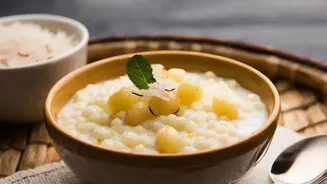
of India's most widespread and beloved desserts, known by various names like payasam in the South. Its defining characteristic is the use of whole grains of rice, which are slow-cooked in milk until they become soft and the milk thickens considerably. This slow cooking process can take a significant amount of time, resulting in a luscious, slightly flowing consistency where you can still feel the texture of the individual rice grains. Kheer is versatile; it can be served warm on a cool evening or chilled as a refreshing treat. While rice is the most common base, kheer can also be made with vermicelli (seviyan), tapioca pearls (sabudana), or even vegetables like carrots and lauki.
Phirni: A Refined Indulgence
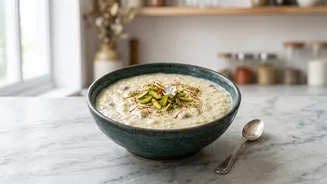
Phirni, with its origins often traced back to Mughal or Persian kitchens, is a more refined and delicate pudding. The crucial difference lies in the rice: for phirni, the rice is soaked and then ground into a coarse, semolina-like paste before being cooked in milk. This ground rice cooks much faster than whole grains and dissolves into the milk, creating a uniformly smooth, thick, and creamy texture that sets upon cooling. Unlike kheer, phirni is almost exclusively served chilled. Traditionally, it's poured into small unglazed clay or earthen bowls called 'matkas' or 'shikoras'. The porous clay absorbs excess moisture, which helps the phirni set perfectly and imparts a subtle, earthy aroma that is signature to the dessert.
Key Differences at a Glance
To put it simply, the main distinctions come down to four key points. First, the rice: kheer uses whole rice grains, while phirni uses coarsely ground rice. Second, the texture: kheer has a more fluid, porridge-like consistency with noticeable grains, whereas phirni is smooth, thick, and homogenous. Third, the cooking time: due to the ground rice, phirni cooks much more quickly than the slow-simmered kheer. Finally, the serving style: kheer can be hot or cold, but phirni is a dessert meant to be served thoroughly chilled, which allows it to set into its characteristic pudding-like form.
Enter Sitaphal: The Seasonal Star
Now that we understand the basics, let's introduce a seasonal twist that elevates phirni to a new level: Sitaphal, or custard apple. This sweet, fragrant fruit with its incredibly creamy pulp is in season in India during the cooler months and is a perfect match for the smooth texture of phirni. The natural sweetness and unique flavour of sitaphal pulp blend seamlessly into the milk pudding, creating a dessert that is both rich and refreshingly fruity. Adding the fruit pulp gives the traditional dessert a delightful modern update, making it a seasonal specialty worth waiting for all year.
Crafting the Perfect Sitaphal Phirni
Making Sitaphal Phirni follows the classic phirni method with one crucial final step. First, a coarse paste is made from soaked rice. This paste is then slowly cooked in simmering milk, stirring continuously until the mixture thickens and the rice is fully cooked. Sugar and flavourings like cardamom powder are added towards the end. The key is to let the phirni cool down slightly before gently folding in the deseeded sitaphal pulp. Adding the pulp to boiling hot milk can sometimes alter its texture and flavour. Once mixed, the phirni is poured into serving bowls and chilled for several hours until it is perfectly set and ready to be enjoyed. The result is a creamy, fragrant pudding with bursts of sweet, tropical flavour in every spoonful.