






The Contenders: Two Timeless Classics
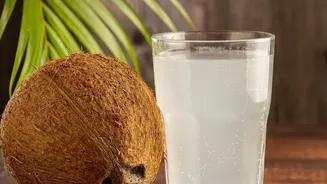
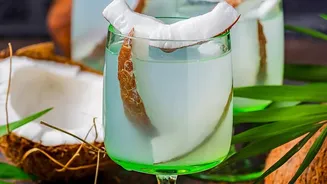
On a hot day, few things are as satisfying as a glass of chilled chaas or the sweet relief of nariyal pani straight from the source. Coconut water is nature’s sports drink, a clear liquid from young, green coconuts, prized for its refreshing taste. Buttermilk,
or chaas, is a beloved dairy-based drink, traditionally the liquid left after churning butter. Today, it is more commonly made from curd, water, and spices. Both are deeply woven into India's culinary fabric, but they serve very different nutritional purposes.
The Hydration Showdown: An Electrolyte Deep Dive
When you sweat, you lose not just water but also essential minerals called electrolytes. Both drinks help replenish them, but in different ways. Coconut water is a potassium superstar, a mineral crucial for fluid balance and muscle function. It contains some sodium, but its main strength is replacing lost potassium, making it excellent for quick, light rehydration. Buttermilk, especially when prepared with a pinch of black salt, provides a healthier dose of sodium, the primary electrolyte lost in sweat. This makes chaas particularly effective for replacing fluids after significant sweating.
A Nutritional Scorecard: Calories, Sugar, and Protein
Nutritionally, the two are quite distinct. Coconut water is significantly lower in calories. It does contain natural sugars, which provide a quick energy boost, but has very little protein or fat. Buttermilk, on the other hand, is a more balanced beverage. It provides protein from the curd, which helps with satiety and muscle recovery. While plain, traditionally made buttermilk is low in calories, sweetened lassi or commercially prepared versions can be much higher. For a low-calorie, low-protein thirst quencher, coconut water wins. For a more filling, protein-rich option, buttermilk is the better choice.
The Gut Health Factor: A Clear Winner
When it comes to digestive health, buttermilk has a significant advantage. As a fermented food, chaas is a natural source of probiotics, the beneficial bacteria that support a healthy gut microbiome. Regular consumption can improve digestion, reduce bloating, and even boost immunity. Probiotics help maintain balance in your digestive tract and can be particularly soothing after a heavy or spicy meal. Coconut water, while hydrating, contains no probiotics and offers minimal digestive benefits beyond its fluid content.
Post-Workout Recovery: Which Drink to Choose?
What you drink after exercise can make a big difference in your recovery. Coconut water is often praised for its ability to rehydrate and replenish potassium after a workout. It's a natural alternative to sugary sports drinks. However, some research suggests it can cause bloating in some individuals and might not have enough sodium for recovery after intense, prolonged exercise. Buttermilk offers a unique post-workout combination of fluid for rehydration, sodium to replace salt lost in sweat, and protein to aid muscle repair. For light exercise, coconut water is a great choice. For more strenuous sessions, the protein and sodium in buttermilk might offer a more complete recovery package.
The Verdict: It’s All About Timing and Need
There is no single winner in the battle between coconut water and buttermilk. The best choice depends entirely on the situation. Choose coconut water when you need rapid, light hydration with a potassium boost, such as on a hot afternoon or after a mild workout. It’s ideal when you want a low-calorie drink to quench your thirst. Opt for buttermilk after a meal to aid digestion, after a tough workout for a balanced recovery, or when you need a more filling and cooling drink that supports gut health. Its combination of probiotics, protein, and electrolytes makes it a nutritional powerhouse.