





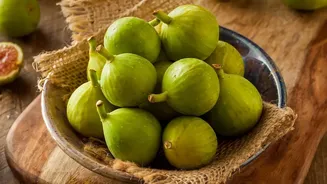

What Exactly Is a Sour Fig?
Before it was a trending hashtag, the sour fig, or Carpobrotus edulis, was a humble, creeping succulent native to the coasts of South Africa. For centuries, indigenous communities have used this plant, from its fleshy leaves to its tart, jelly-filled
fruit. The fruit is often eaten fresh or turned into a tangy jam, while the leaf juice has been a go-to remedy in traditional medicine. Its resilience, growing in harsh coastal conditions, is mirrored in its rich history of human use.
The Wellness Hype: A Traditional Cure-All?
The current buzz around sour fig isn't new; it's a modern echo of its centuries-old reputation. In South African folk medicine, the plant is a versatile powerhouse. The juice from its leaves has been traditionally used as an antiseptic for scrapes and burns, a gargle for sore throats and mouth infections, and a treatment for digestive troubles like diarrhoea. Some communities have even used it for more serious conditions like tuberculosis and diabetes. It's this extensive history as a cure-all that has captured the attention of the global wellness industry, which promotes it for everything from boosting immunity to improving skin health.
The Nutritional Reality: What Science Says
When we move from traditional claims to scientific evidence, a more nuanced picture emerges. The good news is that science does support some of the hype. The plant is rich in beneficial compounds, including flavonoids, tannins, and phenolic acids. Studies have confirmed that extracts from sour fig have measurable antioxidant, anti-inflammatory, and antimicrobial properties. This validates its traditional use for treating wounds, infections, and inflammation. The fruit itself contains vitamin C and various minerals, while its chemical makeup includes compounds like rutin and ferulic acid, which are known to have health benefits.
Separating Fact from Fiction
Here's where the balance is crucial. While the plant's properties are promising, it is not a miracle drug. Much of the scientific research has been conducted in labs (in vitro) or on animals, not in large-scale human clinical trials. So, while sour fig extract can kill bacteria in a petri dish, that doesn't automatically mean eating the fruit will cure a systemic infection. The plant's traditional use for conditions like diabetes or tuberculosis is historically important, but it should not be seen as a substitute for modern medical treatment. Scientific validation supports its potential, but it also calls for more rigorous investigation to determine safe dosages and specific efficacies for human health.
How to Enjoy Sour Fig Sensibly
The best way to approach sour fig is to embrace it for what it is: a unique, nutritious fruit with an interesting history. In South Africa, the ripe fruit is enjoyed fresh by biting off the end and sucking out the seedy, sour-sweet pulp. It's also popularly made into a tart jam. Incorporating sour fig into your diet can be a delicious way to add variety and benefit from its natural antioxidants and fibre. Think of it as a healthy addition to a balanced diet, much like berries or citrus fruits, rather than a medicine you take to cure a specific ailment. Its unique salty-sour taste can be a great addition to salads or paired with other foods.