



The Allure of Homemade Sunscreen
In an era of clean beauty and ingredient-consciousness, making skincare at home seems like a savvy move. Countless online tutorials and social media posts champion DIY sunscreen as a way to avoid synthetic chemicals, use natural ingredients, and potentially
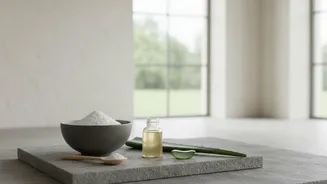
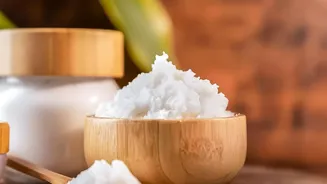
save money. The recipes often feature a simple blend of oils like coconut or shea butter, beeswax, and the star ingredient for sun protection: zinc oxide powder. The logic seems sound — if you know what every ingredient is, it must be better for you. However, dermatologists and cosmetic scientists warn that this is one DIY trend that carries significant risks, as creating an effective and safe sunscreen is a highly complex scientific process.
The Instability Problem: Why It Separates
The core issue with DIY sunscreen is a lack of stability. Sunscreen is an emulsion, a mixture of oil and water-based ingredients that naturally want to separate, much like salad dressing. Commercial products use specialized emulsifiers and stabilizers to keep the formula uniform from the first pump to the last. Homemade recipes lack these, meaning your concoction can separate over time, even if it looks fine to the naked eye. More critically, the active ingredient, zinc oxide, is a heavy mineral powder. In a simple oil and wax base, these particles have a strong tendency to clump together or settle at the bottom of the container. This process, known as aggregation and sedimentation, means the zinc is no longer evenly distributed throughout the product.
Uneven Spreading, Uneven Protection
When zinc oxide particles clump together, the consequences for your skin are serious. Mineral sunscreens work by forming a physical barrier on the skin that reflects and scatters harmful UV rays. For this shield to be effective, it must be a continuous, even film. If the zinc in your DIY sunscreen has separated or clumped, you will apply a product with patches of dense protection and other areas with virtually no protection at all. You might feel like you've covered your skin, but you're left with invisible gaps in your defense. This creates a false sense of security and leaves you vulnerable to sunburn, premature skin aging, and an increased risk of skin cancer. Studies have shown some homemade formulas provide an SPF as low as 1 or 2, a far cry from the minimum SPF 30 recommended by dermatologists.
The Science of Commercial Formulation
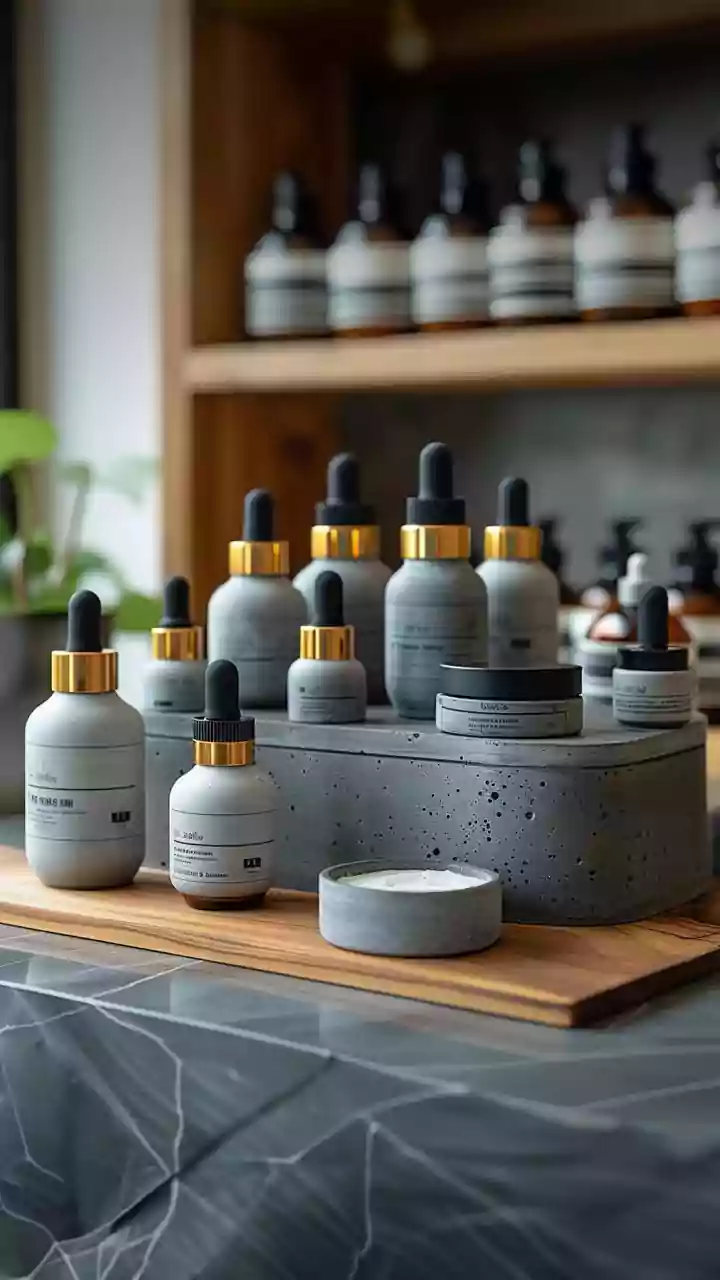
Creating a safe and reliable sunscreen is one of the most challenging tasks for cosmetic formulators. It requires deep knowledge of chemistry and access to lab-grade equipment, like high-shear mixers, to ensure mineral particles are dispersed uniformly. Commercial sunscreens undergo rigorous testing to guarantee their SPF rating, water resistance, and broad-spectrum coverage against both UVA and UVB rays. Manufacturers must prove their products are stable not just in the bottle but also on the skin when exposed to heat and sunlight. These products are regulated as over-the-counter drugs in many countries, and this level of scrutiny is impossible to replicate in a home kitchen. Furthermore, commercial formulators use specific coatings on zinc oxide particles to prevent clumping and ensure they remain stable and effective.
What the Experts Advise
The consensus from dermatologists and skin cancer organizations is clear: do not use homemade sunscreen. The American Academy of Dermatology explicitly warns that these products are not proven effective and can leave users unprotected. Experts emphasize that while the desire for natural ingredients is understandable, the risk of inadequate sun protection is too high. The oils often used in DIY recipes, such as coconut oil, offer negligible SPF and can even intensify UV penetration, similar to old-fashioned tanning oils. Instead of taking a gamble with your skin's health, they recommend choosing a commercially produced, tested, and regulated sunscreen that you feel comfortable using every day.