




The Undisputed King and Its Court
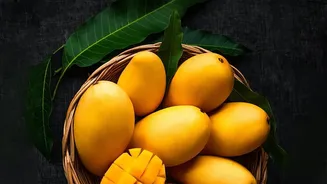
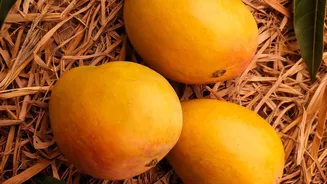
For decades, the story of India’s mango exports has been written by one protagonist: the Alphonso. Often called the 'King of Mangoes', this variety from Maharashtra is globally celebrated for its creamy texture and intense aroma. It, along with other
premium varieties like Gujarat's Kesar, has been the face of India's fruit diplomacy, commanding high prices in markets across the US, UK, and the Middle East. This focus on premium, high-value exports has built a strong brand for Indian mangoes abroad, making them a sought-after seasonal luxury. While this strategy has been successful, it also ties the fortune of India's export market to a few, often expensive, and seasonally limited varieties.
Meet the New Contenders
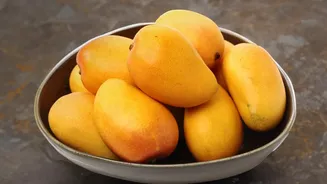
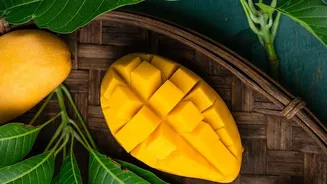
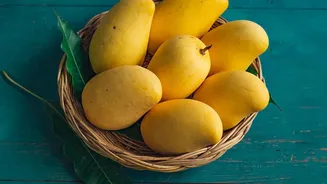
Enter Neelam and Totapuri, two varieties widely grown in South India, particularly in Karnataka, Andhra Pradesh, and Tamil Nadu. Neelam is a late-season star, available from May to July, and prized for its sweet, juicy pulp and rich aroma, making it excellent for juices and desserts. It's also known for its excellent keeping quality, a crucial trait for transport and export. Totapuri, instantly recognizable by its parrot-beak shape ('tota' means parrot), has a balanced sweet-and-tangy profile. Traditionally, it has been the workhorse of the processing industry, favored for its cost-effectiveness and suitability for pulp, purees, and pickles. Its journey is now expanding from an industrial ingredient to a table fruit in its own right in some markets.
The Strategy of Volume and Variety
The growing export focus on Neelam and Totapuri represents a strategic pivot from a purely premium model to one that embraces diversification. A key driver is the extension of the export season. As late-season varieties harvested from late June to July, they allow India to cater to international demand beyond the peak period of Alphonso and Kesar. This diversification also strengthens the resilience of India's export basket, reducing dependency on the success of a single crop. Furthermore, these varieties appeal to different market segments. Their more accessible price point compared to the Alphonso makes them attractive in price-sensitive markets and for bulk buyers in the beverage and food processing industries.
A Boost for Farmers and New Markets
This shift is proving to be a significant boon for farmers. A recent, first-ever air shipment of Neelam and Totapuri from Karnataka to the Maldives, facilitated by the Agricultural and Processed Food Products Export Development Authority (APEDA), highlighted the immense potential. Farmers involved in this initiative received significantly higher prices—in some cases, more than 50% higher—than what they would earn in local markets, where a glut can often lead to crashing prices. For instance, Totapuri, which might fetch a low price locally, commanded a much better rate for export. This initiative not only opened a new market but also demonstrated a viable model for connecting Farmer Producer Companies (FPCs) directly with global buyers, ensuring better returns and income stability.
Broadening the Mango Basket
The inclusion of Neelam and Totapuri in the fresh export conversation is about more than just adding two new names to the list. It's a forward-thinking strategy that broadens India’s agricultural export identity. While premium varieties build brand prestige, workhorse varieties like Totapuri and late-season specialists like Neelam build market depth and volume. This approach allows India, the world's largest mango producer, to cater to a wider array of global consumers—from those seeking a gourmet experience to those needing ingredients for large-scale food production. By promoting a diverse portfolio of its mangoes, India is solidifying its position not just as a source of the 'King of Mangoes', but as a comprehensive mango powerhouse for the world.