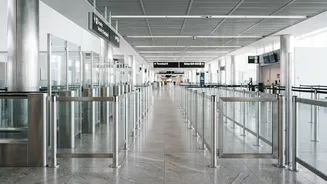







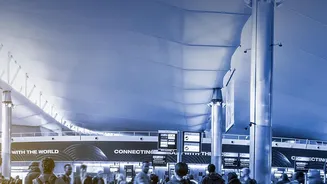
You’ve just landed, and as you step off the aircraft, you’re guided down a specific, often sterile-feeling corridor. You might catch a glimpse of the bustling departure lounge, but it’s kept tantalizingly out of reach. Why is this?
Maintaining the 'Sterile' Zone
The core reason for
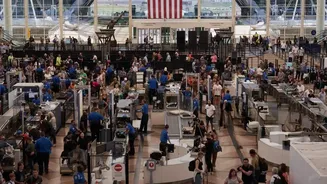
this separation lies in the concept of a 'sterile area'. In airport terminology, this refers to the secure zone you enter after clearing security screening. It includes the departure gates, shops, and restaurants. Everyone inside this area has been screened to the same standard. Arriving international passengers, however, are considered 'unsterile'. They have not yet been cleared by the destination country's authorities and must be kept separate from the 'sterile' population of departing travellers. Mixing them would compromise the security of the entire departure zone, as it would introduce unscreened individuals into a secure environment.
The Immigration and Customs Gauntlet
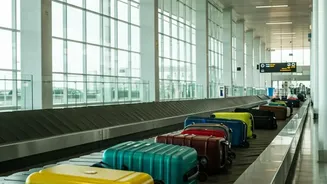
For international flights, the most critical reason for separation is to channel passengers directly to immigration and customs. Every country has a legal right and a duty to control its borders. This means every arriving person must be officially processed by immigration or border control officers to check passports, visas, and entry eligibility. After that, passengers proceed to baggage claim and then through customs, where their belongings may be inspected for prohibited or declarable goods. This entire process requires a dedicated, controlled pathway to ensure that no one bypasses these essential national checkpoints. These facilities are, by design, separate from the departure areas.
Preventing Contraband Handoffs
A key security risk of mixing arriving and departing passengers is the potential for contraband transfers. Imagine a passenger arriving from a country known for drug trafficking. Without separation, they could easily pass a package to a collaborating passenger who is about to board a domestic flight, completely bypassing customs inspections. This creates a significant loophole for smuggling drugs, undeclared currency, or other illegal items into a country. By forcing all international arrivals through a separate, secure channel to customs, authorities can effectively shut down this risk and ensure that all incoming goods are properly scrutinized.
Varying International Security Standards
Not all airport security screenings are created equal. While international bodies like the International Civil Aviation Organization (ICAO) set global standards, the rigour and methods of screening can differ from one country to another. A passenger arriving from an airport with less stringent security protocols is not considered 'clean' enough to mix with passengers who have just passed through the local, often more rigorous, security checkpoint. This principle is why, even when transferring between international flights, you sometimes have to go through security screening all over again. Separating arrivals ensures that the security integrity of the departure lounge, which is based on the local standard, is never diluted.
What About Domestic Flights?
You may have noticed that on domestic flights within India, or within other large countries like the United States, arriving and departing passengers often do mix. This is because they are all operating within the same security and customs framework. Since a passenger arriving from Mumbai to Delhi has already been screened to the same national standard and doesn't need to clear customs or immigration, there is no security reason to keep them separated from passengers who are departing from Delhi. They are all considered to be within the same secure, domestic travel zone.