





The Stars of the Late Season
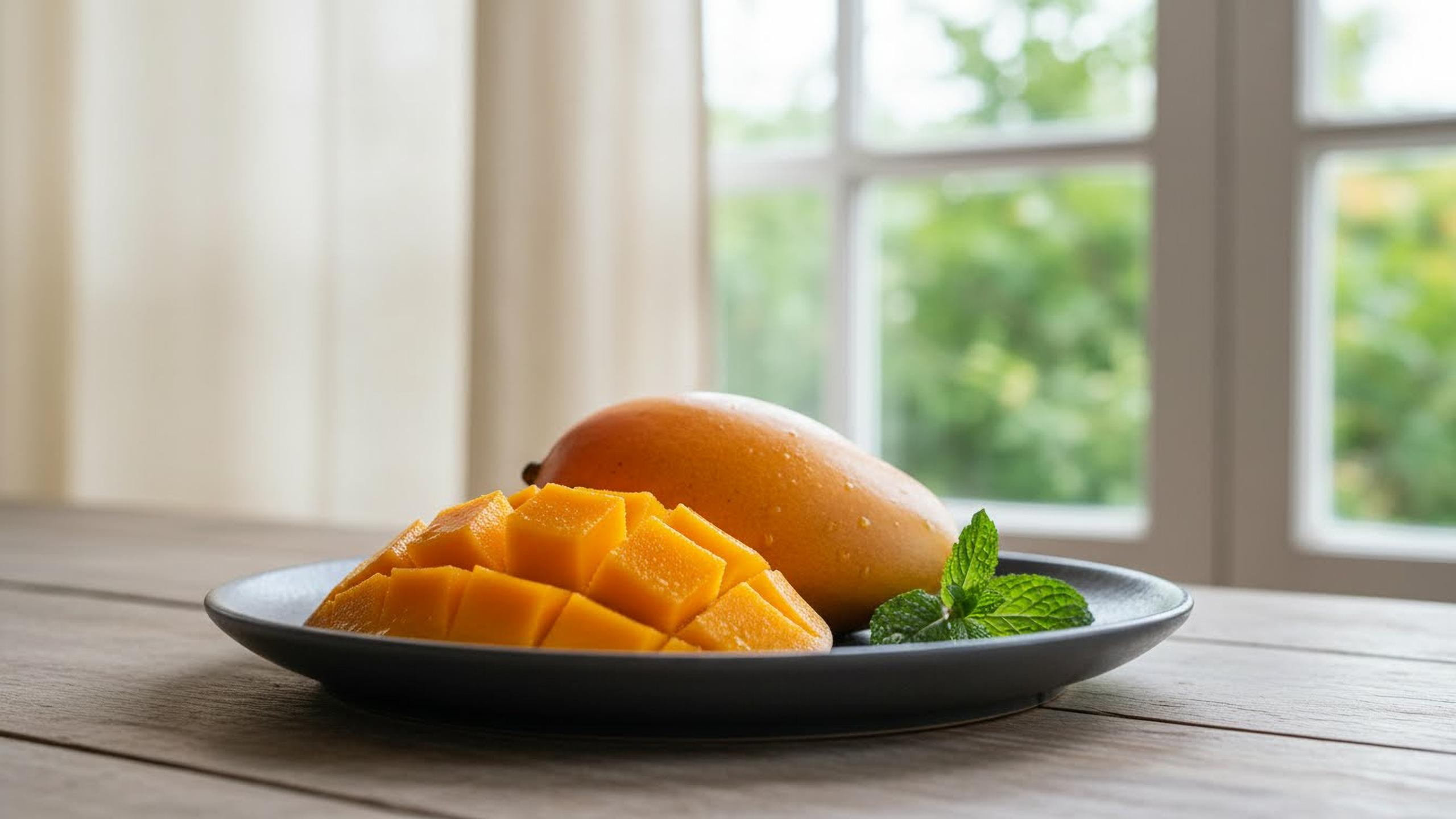
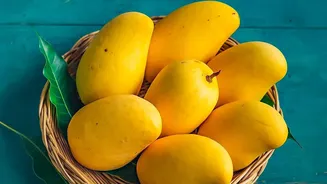
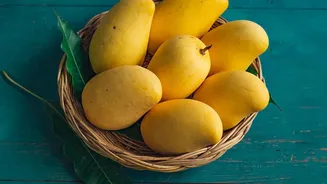
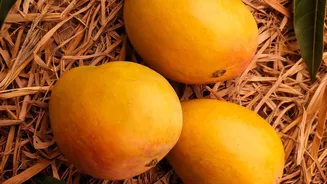
While varieties like Alphonso and Kesar often steal the early-season spotlight, the later months of the mango season belong to Neelam and Totapuri. Neelam, primarily grown in Tamil Nadu, Karnataka, and Andhra Pradesh, is prized for its vibrant yellow
hue, rich aroma, and a unique balance of sweetness and tartness. This makes it a favourite for juices, desserts, and even savoury dishes. Totapuri, easily recognisable by its parrot-beak shape, offers a milder, sweet-and-tangy flavour perfect for both fresh consumption and processing into pulp and concentrates. Cultivated widely across Karnataka, Andhra Pradesh, and Tamil Nadu, these two varieties extend India’s mango export window, meeting demand long after other types have finished their season.
The Race Against Freshness
The greatest challenge in any mango supply chain is the fruit’s perishable nature. Once harvested, a mango’s shelf life is brief. An unripe mango may last five to eight days at room temperature, but once it ripens, it must be consumed within two to four days. This creates a tight window for the fruit to travel from the orchard to the consumer. The traditional journey involves multiple stages: harvesting, sorting, packing, transport to a local mandi (market), sale to wholesalers, and then final distribution to retailers. Each step takes time and increases the risk of spoilage, with studies estimating that significant losses occur along the supply chain. For long-distance transport, especially to international markets, ground or sea freight is often too slow to maintain the fruit's quality.
The Air Cargo Solution
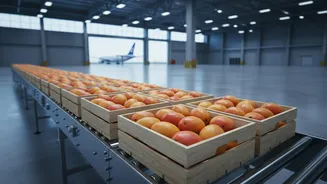
This is where air cargo becomes a game-changer. By drastically cutting down transit time, air freight makes it possible to deliver highly perishable fruits to distant domestic and international markets within days of harvest. The process is a masterclass in modern logistics. Mangoes are transported from farms to airports in refrigerated trucks. At the cargo terminal, they are stored in temperature-controlled facilities, typically between 15°C and 25°C, before being loaded onto aircraft. Specialised equipment like cool dollies and thermal blankets are used to protect the fruit from temperature fluctuations on the tarmac. This meticulous cold-chain management continues upon arrival, ensuring the mangoes remain fresh until they reach their final destination.
Expanding Markets and Boosting Incomes
The ability to ship fresh mangoes quickly has opened up new opportunities. Recently, a consignment of one tonne of Neelam and Totapuri mangoes from Karnataka's Kolar district was flown to the Maldives for the first time. This initiative, facilitated by the Agricultural and Processed Food Products Export Development Authority (APEDA), highlights the growing potential for exporting late-season varieties. Such efforts provide a significant economic boost for farmers. By connecting Farmer Producer Companies (FPCs) directly with exporters, farmers can earn substantially higher returns—in some cases, over 50 per cent more than through conventional domestic sales. Air India Cargo, a major player in this space, transported over 1,000 tonnes of mangoes between March and May 2026, demonstrating the massive scale of demand and the robustness of the air logistics network.
Challenges on the Horizon
Despite its advantages, relying on air cargo is not without its hurdles. The primary challenge is cost. Air freight is significantly more expensive than sea or road transport, which can impact the final retail price of the fruit. Furthermore, the system is vulnerable to disruptions in the global air cargo market, which can lead to sudden price hikes and capacity shortages. Exporters must also navigate complex quality control and handling processes to prevent spoilage, which adds to operational complexity. As the demand for Indian mangoes grows, ensuring that the necessary infrastructure and capacity are in place will be crucial for sustaining this vital link between Indian farms and global consumers.