




The Crowded Highways of Space
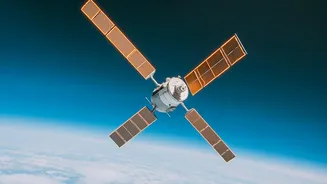
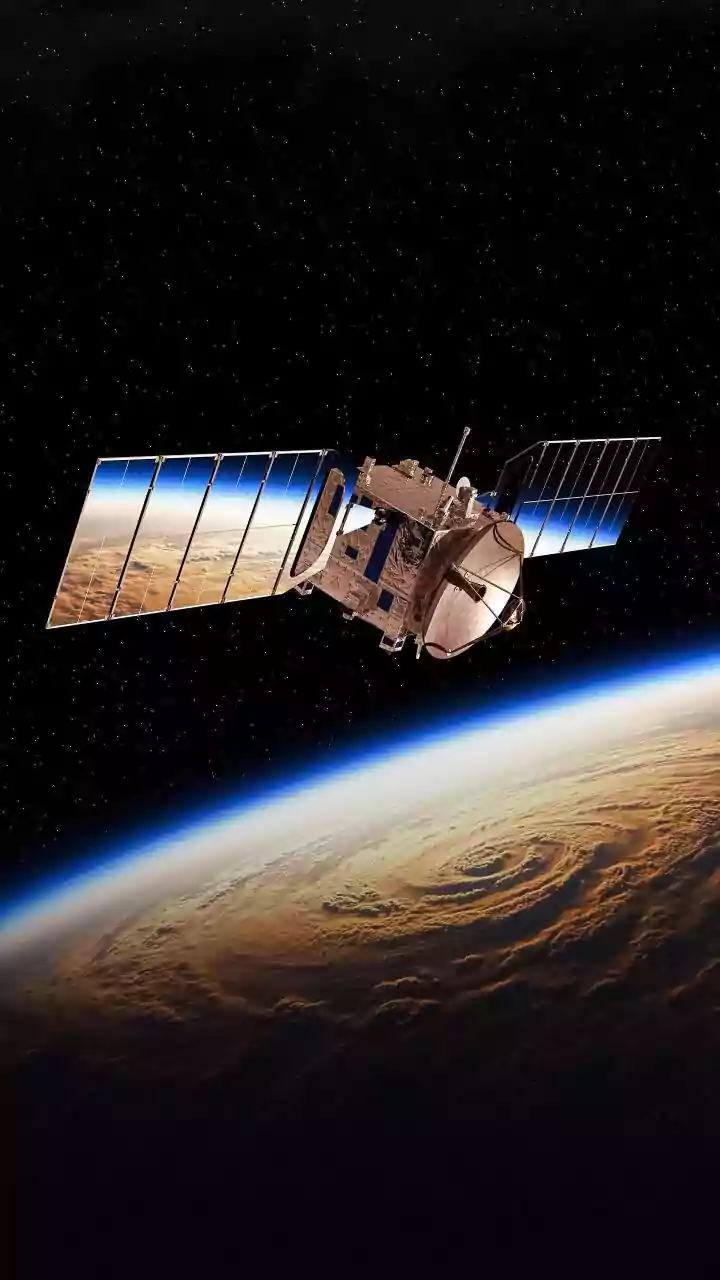
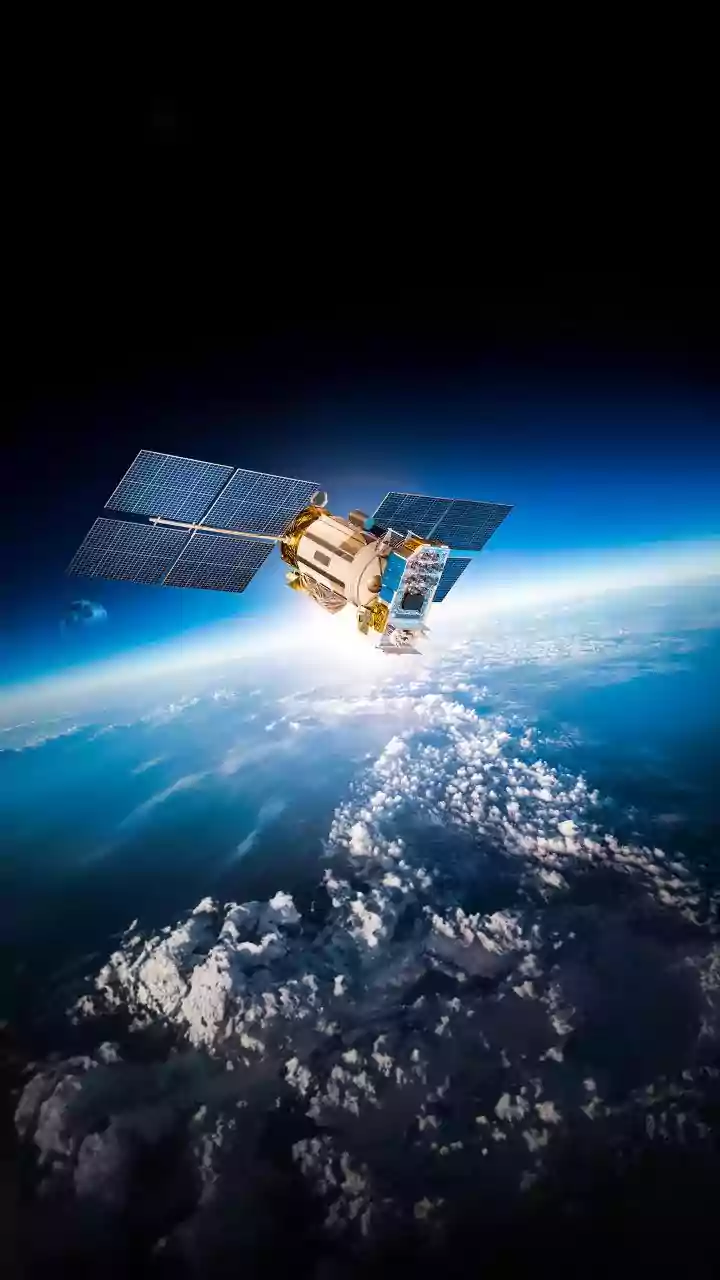
When we talk about satellites, they aren't just scattered randomly in the sky. They operate in specific regions, or orbital bands, much like cars on a multi-lane highway. The most sought-after of these is Low Earth Orbit (LEO), a region stretching a few
hundred to 2,000 kilometres above us. It’s the ideal spot for services that need low latency and high bandwidth, like satellite internet, and for Earth observation. Because of its utility, LEO, particularly the band between 500 and 600 kilometres up, has become intensely congested. Two-thirds of all active satellites are now estimated to operate in this narrow slice of space. This concentration is at the heart of the sustainability crisis.
The Mega-Constellation Boom
The primary driver of this congestion is the commercial space race, dominated by the rise of satellite “mega-constellations.” Companies like SpaceX with its Starlink service, and Amazon with its upcoming Project Kuiper, are launching thousands of satellites to provide global internet coverage. In 2023 alone, a record 2,800 new satellites were launched, most of them destined for LEO. While these networks promise to connect remote and underserved communities, they are fundamentally changing the orbital environment. The sheer volume of these constellations, with plans for tens of thousands more satellites, dramatically increases the number of objects that need to be tracked and avoided.
The Tipping Point: Kessler Syndrome
In 1978, NASA scientist Donald Kessler proposed a frightening scenario: a chain reaction where a collision in orbit creates a cloud of debris. Each piece of this debris then becomes a projectile that can cause more collisions, creating even more debris. This cascading effect, known as the Kessler Syndrome, could eventually make certain orbits so cluttered with high-velocity junk that they become unusable for generations. We have already had warning shots. In 2009, a defunct Russian satellite collided with an active Iridium communications satellite, creating over 2,300 pieces of trackable debris, many of which are still in orbit. With the current density, some models suggest the debris environment is already unstable, meaning collisions could start generating debris faster than it can be removed naturally by atmospheric drag.
Real-World Consequences of a Messy Orbit
An unsustainable orbit isn’t just an abstract problem for astronomers; it directly threatens technologies woven into the fabric of our daily lives and economy. Satellite operators are already performing tens of thousands of collision avoidance manoeuvres per year to dodge other spacecraft and debris. A loss of access to key orbital bands would jeopardise GPS navigation, weather forecasting, financial transactions timestamped by satellite clocks, and critical national security intelligence. The very satellite internet services driving the boom would themselves be at risk. The economic cost of this disruption, while hard to quantify perfectly, would be immense, affecting everything from logistics and agriculture to emergency services.
The Search for Solutions
Recognising the threat, space agencies and private companies are working on solutions. One major area is Active Debris Removal (ADR). Technologies being tested include robotic arms to grab defunct satellites, nets and harpoons to capture tumbling objects, and even ground-based lasers to nudge debris into a different path. Missions like the European Space Agency's ClearSpace-1 are being developed to demonstrate these cleanup technologies. On the policy front, there is a push for stricter rules. The old 25-year guideline for deorbiting a satellite after its mission is being replaced by a much shorter 5-year rule for some operators. Europe’s “Zero Debris Charter” aims to stop adding any new debris from its missions by 2030, a standard over 100 organisations have signed on to. However, there is still no binding global treaty to manage this shared resource, making enforcement a major challenge.