





The World’s Breadbasket at Risk
The Black Sea region is not just another shipping lane; it's a vital artery for global food security. Ukraine and Russia are colossal exporters of essential grains, together accounting for over a quarter of the world's wheat trade. Beyond wheat, they
are major suppliers of corn, barley, and sunflower oil, commodities that are fundamental to food products and cooking oils consumed across the globe. Over 90% of Ukraine's agricultural goods have traditionally been exported via its Black Sea ports. This concentration means that any slowdown or stoppage at ports like Odesa in Ukraine or Novorossiysk in Russia doesn't just create a local problem—it creates a global one, threatening to tighten supplies and drive up costs for millions.
From Physical Attacks to Political Threats
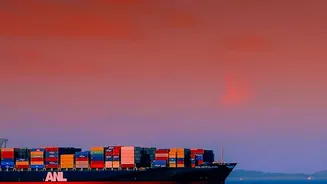
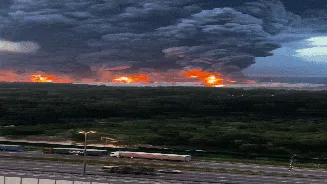
For grain traders, a 'disruption' isn't a single event. It’s a wide spectrum of risks they must constantly evaluate. The most dramatic are the physical attacks. In recent weeks, both sides have escalated strikes on port infrastructure and vessels. In July and early August 2026, Russia reportedly attacked Ukrainian port infrastructure over 70 times. In response, Ukrainian drone attacks have damaged and halted operations at major Russian grain terminals in Novorossiysk. But traders also watch for less visible disruptions: changes in shipping insurance premiums, which skyrocket in a war zone; political rhetoric that threatens freedom of navigation; and even logistical challenges like low water levels on alternate river routes like the Danube. Every piece of information is a clue to future supply and price.
The Direct Line to Your Wallet
When a port is attacked or blockaded, the impact is almost immediate. Global wheat prices have climbed sharply in recent weeks due to these Black Sea tensions, alongside regional droughts. In July, wheat prices on the Chicago exchange hit their highest levels in over a year. This volatility is a direct result of market uncertainty. Traders who anticipate a shortage will bid prices up, and those who fear being unable to move their cargo must sell at a discount. This creates a bizarre split-market effect: while global prices rise, domestic prices within Ukraine have plummeted because farmers cannot export their harvest, leaving them with full storage and no revenue. These global price hikes eventually trickle down, affecting the cost of bread, pasta, and other staples in markets far from the conflict zone.
A Harvest Trapped by Conflict
The timing of the recent escalations has been particularly damaging, coinciding with the peak harvest season. Ukraine expects a grain harvest of around 60 million tonnes this year, but with ports paralyzed, much of it is getting stuck. Ukrainian grain exports fell by a staggering 75% in the first two weeks of August 2026 compared to the previous year. Farmers face a crisis, with storage facilities full and the upcoming corn harvest set to add even more pressure. Without the ability to sell their grain, farmers lack the funds for fuel, wages, and planting for the next season, which could extend the impact on global food supplies well into 2027. Similarly, Russian farmers are facing a bumper harvest with nowhere to sell, as Ukrainian attacks have reportedly taken over 90% of their Azov-Black Sea export capacity offline.
Why It Matters for India
While India is a major producer of wheat and rice, it is not insulated from these global shockwaves. The country is one of the world's largest importers of edible oils, particularly sunflower oil, a key export from the Black Sea region. Disruptions directly impact the availability and price of cooking oil in India. Furthermore, even though India doesn't rely on Black Sea wheat for its own consumption, global price volatility affects the entire market. When global wheat prices surge, it can make Indian exports more competitive but also raises the baseline for food prices domestically. For traders and food companies in India, tracking the Black Sea is crucial for managing costs, securing supply chains for edible oils, and making strategic decisions in a turbulent global market.