

A Journey Back in Time
In Portugal, a unique form of 'slow tourism' is taking hold, weaving together the nation's rich history with its breathtaking landscapes. Equestrian tourism invites travellers to step out of cars and off tour buses, and instead, experience the country
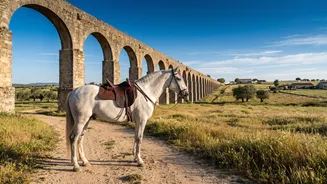
from the saddle. Regions like the Alentejo, known for its vast, sun-drenched plains and idyllic scenery, have become epicentres for this trend. Here, ancient trails once trod by Romans, pilgrims, and smugglers are being rediscovered as routes for modern-day adventurers. The pace is unhurried, allowing for a deep connection with the surroundings—the scent of eucalyptus, the sight of storks nesting on ancient ruins, and the taste of local wines enjoyed during a picnic lunch. It is an immersive experience that engages all the senses, a world away from a typical vacation.
From Defensive Forts to Trail Markers
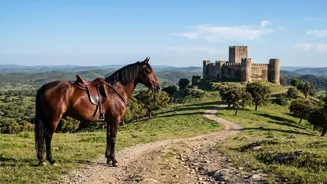
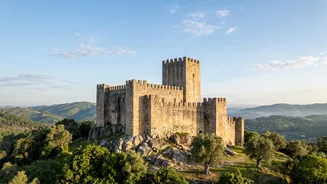
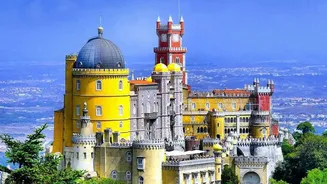
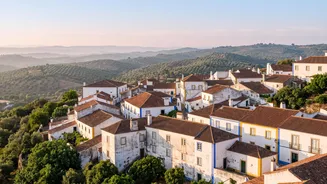
Portugal's landscape is famously dotted with hundreds of castles, many dating back to the Moorish occupation and the subsequent Christian Reconquista. These formidable structures were strategically built on high ground, offering commanding views of the surrounding territory. What once made them ideal for defence now makes them perfect landmarks for trail riders. Fortresses like those in Marvão and Monsaraz, perched dramatically on hilltops, serve as breathtaking destinations and navigational aids on multi-day treks. Tour operators and local guides are designing routes that intentionally link these historic sites, transforming a simple trail ride into a chronological journey. Riders can explore the very walls that guarded the nation's borders for centuries, experiencing history not as a museum piece, but as a living part of the landscape.
The Rise of Sustainable Heritage Tourism
This blending of history and adventure is more than just a novelty; it represents a forward-thinking approach to both tourism and conservation. By creating value in these rural routes, local communities and tourism bodies provide a strong incentive to preserve not only the natural landscape but also the historical structures within it. Equestrian tourism brings economic benefits to sparsely populated areas, supporting local guesthouses, restaurants, and horse breeders. Many of the horses used are the native Lusitano breed, celebrated for their intelligence and steady temperament, further supporting a key part of Portugal's cultural heritage. This form of travel has a low environmental impact and encourages a deeper appreciation for the delicate balance between nature and history, ensuring these trails and castles can be enjoyed for generations to come.
What to Expect on the Trail
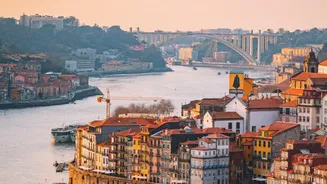
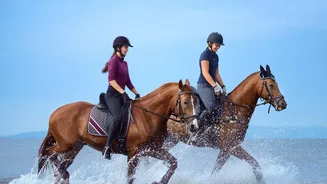
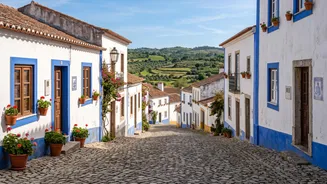
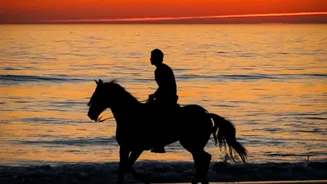
A typical Portuguese riding holiday is more of an experience than just an activity. Rides can range from a few hours to multi-day, point-to-point journeys, often staying in charmingly restored farmhouses ('quintas') or even historic 'pousadas'—luxury hotels located in castles, convents, or other heritage buildings. Operators cater to various skill levels, from beginners to experienced equestrians, ensuring horses are well-matched to their riders. A day might involve riding through cork oak forests and olive groves in the morning, stopping for a hearty picnic with local cheeses and meats, and arriving at a medieval village in the afternoon with time to explore its cobbled streets. Itineraries frequently combine different landscapes, from the rolling hills of the Alentejo to the dramatic, sandy beaches of the Atlantic coast.