





Why Protein Matters for Satiety
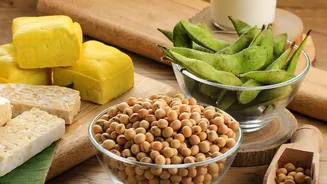
Protein is a powerhouse nutrient when it comes to managing hunger. It takes longer for your body to digest compared to carbohydrates, providing a more sustained release of energy. This process also influences key hormones that control appetite. Protein-rich
meals help suppress ghrelin, often called the 'hunger hormone,' while stimulating the release of other hormones that signal fullness to your brain. The result is that you feel satisfied for a longer period, which can help reduce cravings and prevent the energy slumps that are common during fasting.
Paneer: The Fasting Favourite
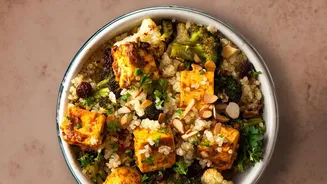
Paneer, or fresh cottage cheese, is one of the most accessible and versatile protein sources permitted during a vrat. A 100-gram serving can contain anywhere from 18 to 25 grams of protein. The primary protein in paneer is casein, which is known for being slow-digesting. This slow release of amino acids ensures you feel full for hours. During a fast, you can enjoy grilled paneer tikka, a simple paneer bhurji made with tomatoes and sendha namak, or add cubes of it to a light curry. You can even knead grated paneer into your kuttu or singhara atta dough for protein-packed puris or parathas.
Amaranth (Rajgira): The Ancient Grain
Amaranth, known as rajgira or ramdana, is a pseudo-cereal that is a staple in vrat kitchens for good reason. It boasts a remarkable protein content of about 14 grams per 100 grams and contains all nine essential amino acids, making it a complete protein. This is particularly notable for its high levels of lysine, an amino acid often lacking in other plant-based grains. You can use rajgira flour to make rotis, cheelas, or use puffed amaranth seeds to create a nutritious porridge or add crunch to a fruit bowl.
Buckwheat (Kuttu): More Than Just a Flour
Kuttu ka atta, or buckwheat flour, is another vrat essential that packs a significant nutritional punch. It delivers around 13 grams of protein per 100 grams. Like amaranth, it is considered a complete protein because it provides all essential amino acids. Beyond protein, it is also rich in dietary fibre and minerals like magnesium. Using kuttu atta to make dosas, cheelas, or puris is a great way to make your fasting meal more substantial. Pairing kuttu roti with a side of dahi or a simple paneer sabji creates a well-rounded, satisfying meal.
Makhana (Fox Nuts): The Crunchy Snack
Makhana, or fox nuts, are light, crunchy, and a fantastic source of plant-based protein, offering about 9 to 11 grams per 100-gram serving. Their high protein and fibre content make them an excellent snack to keep you full between meals. Instead of eating them plain, you can dry roast them with a little ghee and sendha namak for a savoury snack. They can also be added to kheer or ground into a powder to thicken curries, adding a protein boost to your dishes. A simple paneer makhana curry can be a wonderfully filling main course.
Yoghurt and Nuts: The Power Duo
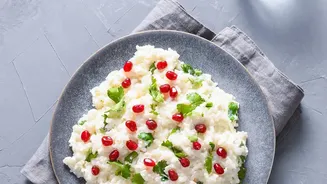
Curd or yoghurt is a simple yet effective way to add protein to any vrat meal. Straining regular dahi to make hung curd concentrates the protein even further. A bowl of fruit topped with a generous dollop of yoghurt and a handful of nuts like almonds and walnuts makes for a refreshing and protein-rich meal. Peanuts, which are also permitted in most fasts, are another excellent source of protein and can be added to dishes like sabudana khichdi to make them more filling or ground into a chutney to serve with other snacks.
Samak Rice (Barnyard Millet): The Filling Grain
Samak rice, also known as barnyard millet, is a light and easy-to-digest grain used widely during fasts. While often seen as a rice substitute, it also provides a decent amount of protein, with some sources noting around 11 grams per 100 grams. Its high fibre content also contributes to a feeling of fullness. To make a samak rice khichdi more satisfying, cook it with plenty of vegetables and add roasted peanuts for an extra protein and texture boost. This transforms it from a simple carbohydrate dish into a more balanced meal.