



The Two Critical Lifelines
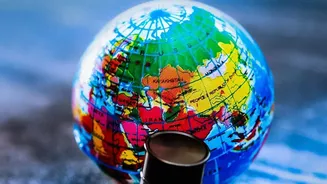
India's energy security is deeply connected to two of the world's most important maritime passages: the Strait of Hormuz and the Strait of Malacca. The Strait of Hormuz, a narrow channel between Iran and Oman, is the world's most critical oil chokepoint.
It is the primary route for crude oil and liquefied natural gas (LNG) from Gulf nations to global markets, including India. To the east, the Strait of Malacca, nestled between Indonesia, Malaysia, and Singapore, serves as the main artery connecting the Indian Ocean to the Pacific. While Hormuz is primarily an energy lifeline for India, Malacca is a crucial trade artery for goods, electronics, and other essential imports from Southeast and East Asia. Any disruption in these passages can send immediate shockwaves through the Indian economy.
A Dependency Measured in Millions of Barrels
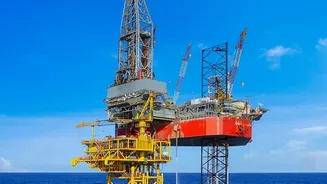
India is the world's third-largest oil consumer and imports over 85% of its crude oil needs. A significant portion of these imports navigates the Strait of Hormuz. Figures indicate that around 40-50% of India's crude and nearly 90% of its LPG imports pass through this single chokepoint. This makes India highly susceptible to geopolitical tensions in the Persian Gulf. The Strait of Malacca presents a different but equally significant vulnerability. While not as dominant for India's oil imports, it is indispensable for overall trade, handling more than a third of the country's total maritime commerce. Suppliers can be diversified, but these crucial shipping routes cannot be easily replaced, creating a systemic risk.
Geopolitical Risks and Regional Instability
Both straits are located in regions prone to geopolitical friction. The Strait of Hormuz has long been a flashpoint, with conflicts and regional rivalries posing a constant threat of blockades or disruptions to shipping. Any military escalation in the Middle East directly endangers the flow of energy to India. The Strait of Malacca, while generally more stable, faces its own set of challenges. It is one of the world's busiest shipping lanes, making it susceptible to congestion, accidents, and piracy. Furthermore, territorial disputes in the nearby South China Sea add a layer of strategic uncertainty, as any conflict there could spill over and affect passage through Malacca.
Building Resilience: A Multi-Pronged Strategy
Recognizing these vulnerabilities, India is actively working to build energy resilience. One key strategy is diversifying its energy sources. In recent times, India has increased crude purchases from Russia and other non-Gulf suppliers to reduce its dependency on the Hormuz route. Another critical pillar is the development of Strategic Petroleum Reserves (SPRs). India maintains underground rock caverns to store crude oil, which can provide a buffer of around 9.5 days during a supply crisis. There are active plans to expand this capacity significantly under a second phase of development.
The Ultimate Solution: Reducing Fossil Fuel Dependence
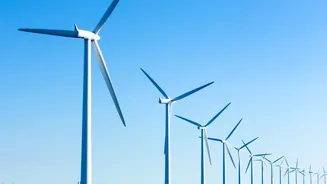
The most durable long-term solution to these geopolitical risks is reducing the country's reliance on imported fossil fuels altogether. This is where India's ambitious push into renewable energy becomes a strategic imperative, not just an environmental goal. India has made significant strides, crossing 300 GW of non-fossil fuel power capacity, which is over 60% of its 2030 target. Solar power, in particular, is a cornerstone of this strategy. By electrifying more of its economy and generating that electricity from domestic renewable sources like solar and wind, India can structurally lower its exposure to volatile global energy markets and chokepoint vulnerabilities. While the transition will take time, every megawatt of renewable energy installed domestically contributes to greater energy self-reliance and national security.