





Beyond the Ingredient List
For decades, the conversation around healthy eating has often been reductionist, targeting individual nutrients like fat or sugar, and more recently, specific food additives. While well-intentioned, this approach can lead to confusion and anxiety, causing
shoppers to avoid perfectly safe and even nutrient-dense foods. The reality is that nutrients and additives do not exist in a vacuum. Their effect on our bodies is profoundly influenced by the overall food they are part of. This complex interplay of components is what scientists call the 'food matrix'.
What Exactly Is the Food Matrix?
The food matrix refers to the physical and chemical structure of a food and how all its components—proteins, fats, carbohydrates, vitamins, minerals, water, and additives—are organised and interact with each other. Think of it like an orchestra: the sound of a single violin is very different from its sound when played as part of a full symphony. Similarly, a nutrient or an additive behaves differently depending on the other 'instruments' in the food. This structure determines how a food is chewed, digested, and how its nutrients are released and absorbed by the body. The more intact a food's natural matrix, the more work our digestive system has to do to unlock the nutrients inside.
How the Matrix Changes Everything
The food matrix effect is powerful. For example, the fat, protein, and calcium in cheese interact in a way that seems to mitigate the effects of its saturated fat content, with studies associating cheese consumption with reduced risk of heart disease. Similarly, the bioavailability—the amount of a nutrient our body can actually absorb and use—is heavily matrix-dependent. The niacin (a B vitamin) in some grains is bound to carbohydrates and isn't fully released, while the fat in almonds makes them a dense food matrix, meaning our bodies don't extract every single calorie. Additives are subject to these same rules. An emulsifier might function one way in a low-fat salad dressing and another in a creamy, full-fat dessert, all based on its interaction with the surrounding ingredients.
The Ultra-Processed Food Connection
The concept of the food matrix is central to the ongoing debate about ultra-processed foods (UPFs). A key concern with UPFs is not just the presence of additives, but the 'collapse' of the food's natural matrix. Heavy industrial processing often breaks down the original cellular structure of ingredients, creating artificial or highly simplified matrices. This can make sugars and starches too easy to absorb, leading to rapid blood sugar spikes, and may disrupt signals that tell our body we're full. Therefore, the problem may not be a specific additive itself, but the fact that it is part of a food that has been stripped of its natural, complex structure.
A More Practical Approach to Eating
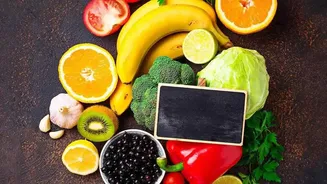
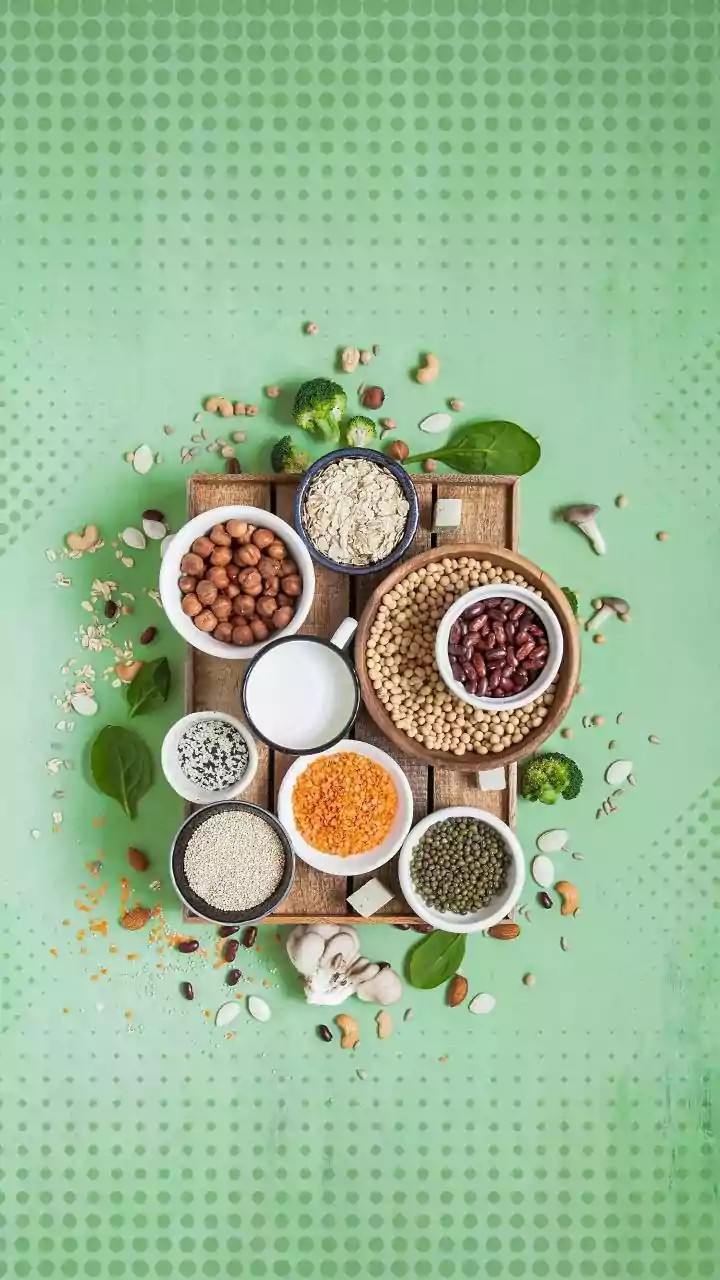
Understanding the food matrix offers a more balanced and less stressful way to think about food. Instead of fearing every additive, it shifts the focus to the quality of the food as a whole. A long list of ingredients in a product made from highly refined components is different from a fortified whole-grain bread that contains preservatives to prevent mould. Rather than isolating single ingredients, a more helpful approach is to consider the overall dietary pattern. A diet rich in whole and minimally processed foods like fruits, vegetables, and whole grains naturally provides robust and beneficial food matrices. This doesn't mean all processed foods or additives are 'bad', but that their context truly matters.