




Defining the 'Slump'
When Elon Musk unveiled the Cybertruck, he projected annual sales of 250,000 units. The reality has been starkly different. After selling approximately 39,000 units in its first full year in 2024, sales were nearly halved in 2025 to just over 20,000.
This represented the most significant sales drop for any electric vehicle in the US market that year. The downward trend continued into 2026, with the first quarter hitting a record low of just 3,519 deliveries. This precipitous decline, especially after the initial wave of enthusiasm from early adopters faded, has led analysts to draw comparisons to historic automotive flops like the Ford Edsel. The situation is exacerbated by data suggesting that sales numbers were propped up by inter-company purchases, with Elon Musk's other ventures like SpaceX buying a significant number of units.
The Case for a Redesign
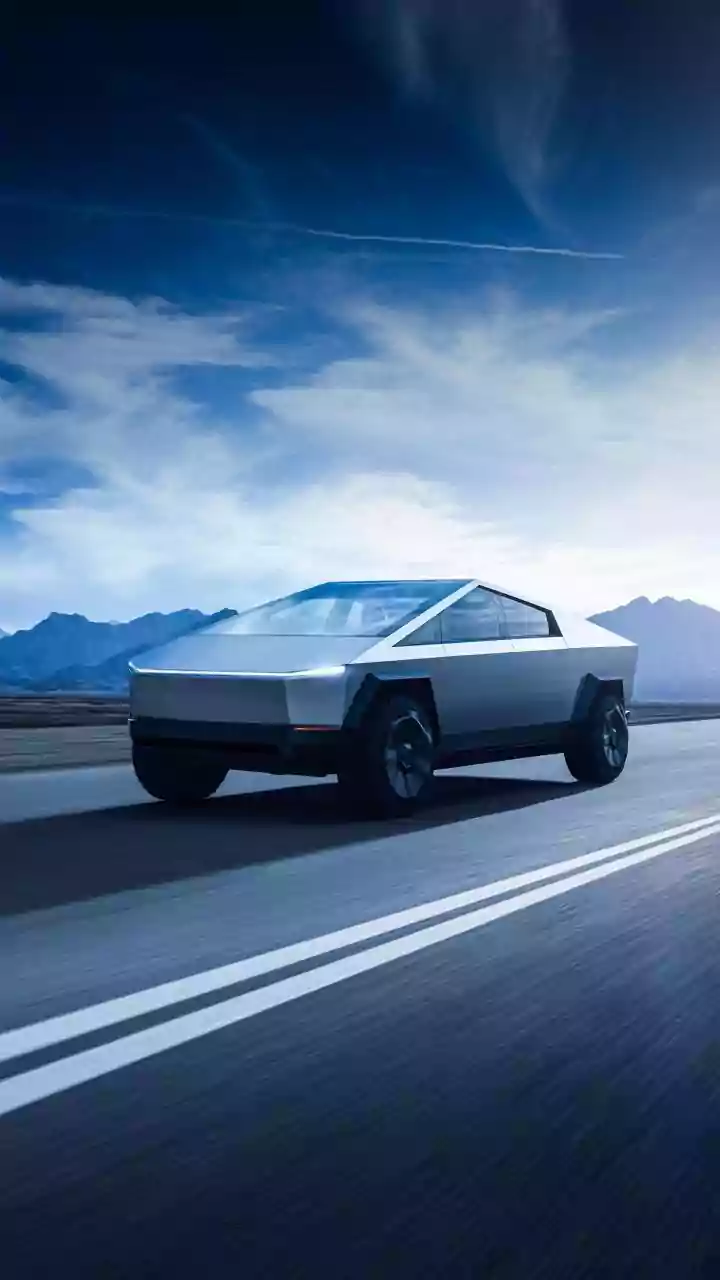
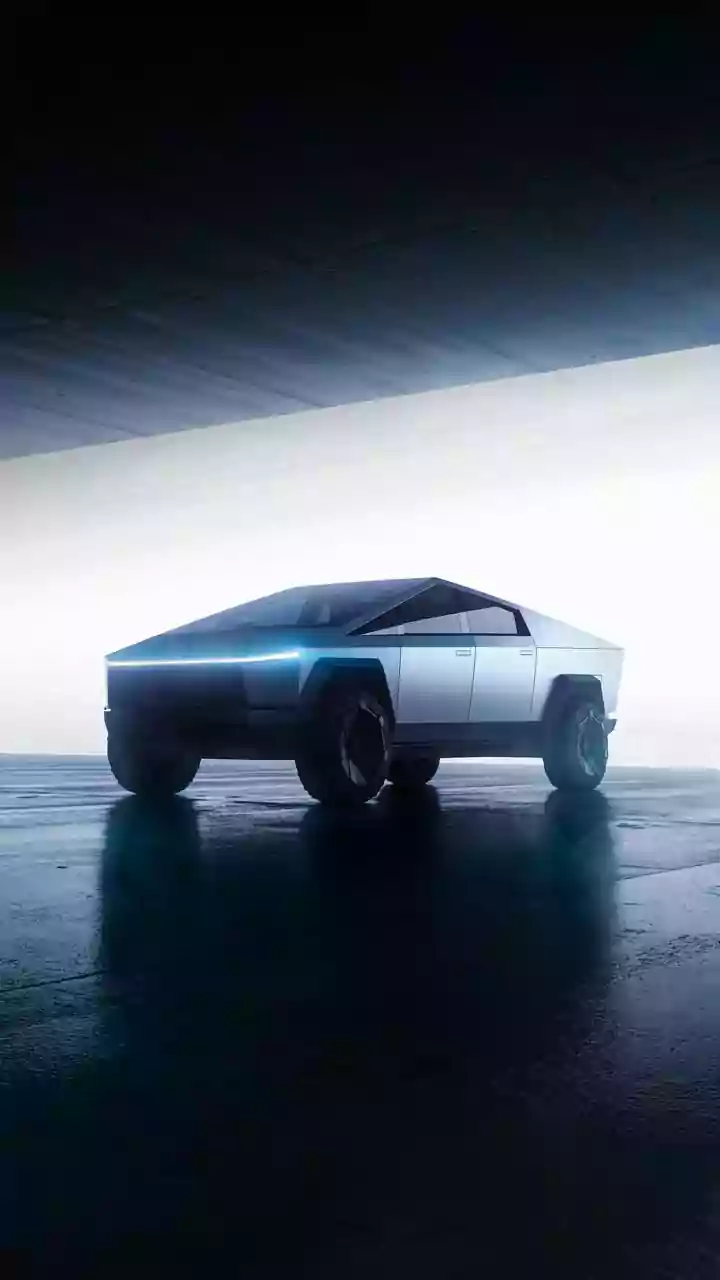
The core of the redesign argument centers on the Cybertruck's fundamental design, which has been polarizing since its debut. Critics point to the sharp, angular stainless-steel body as a source of numerous problems. From a manufacturing standpoint, the material is notoriously difficult to shape and weld, leading to persistent issues with panel gaps and overall build quality. Leaked internal reports from as early as 2022 detailed significant engineering challenges, including problems with body sealing, excessive cabin noise, and poor handling dynamics. Beyond the factory floor, the design has created regulatory hurdles, with its sharp edges making it non-compliant with pedestrian safety rules in major markets like Europe and China, severely limiting its global sales potential. An analyst might argue that these are not minor flaws that can be iterated away, but fundamental problems baked into the vehicle's DNA, requiring a complete rethink.
A Series of Unfortunate Events
The Cybertruck's commercial struggles are compounded by a steady stream of negative headlines. The vehicle has been subject to numerous recalls for issues ranging from accelerator pedals that could get stuck to body panels threatening to detach. Most recently, production has been threatened by a dispute with a key tooling supplier, Angstrom Automotive Group. Tesla filed a lawsuit in July 2026 seeking emergency access to retrieve essential, purpose-built machinery from the supplier, stating that without it, the production of several thousand trucks would be impossible. According to the court filing, Tesla's own supply of the affected parts was set to be exhausted in days, highlighting the fragility of its manufacturing chain. These compounding crises—spanning design, quality control, and the supply chain—paint a picture of a product in perpetual trouble.
Is a Redesign Realistic for Tesla?
While the arguments for a redesign are compelling from a practical standpoint, it runs counter to Tesla's established ethos. The company, and Musk in particular, rarely back down from a design vision, no matter how challenging. The troubled launch of the Model X and its complex 'falcon-wing' doors serves as a historical precedent. Instead of scrapping the design, Tesla invested years of engineering effort to make them work. A more likely path for the Cybertruck involves incremental improvements and manufacturing refinements rather than a complete overhaul. Tesla may focus on simplifying the production process, addressing the most glaring quality issues, and perhaps introducing new variants or pricing structures to stimulate demand. The company has a history of continuously updating its vehicles, and the Cybertruck will likely be no different. A full 'Cybertruck 2.0' is probably years away, if it ever happens at all.