





The Latest Models Affected
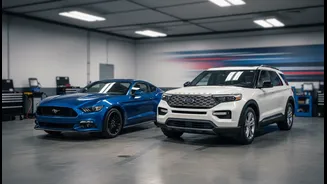
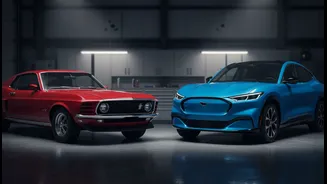
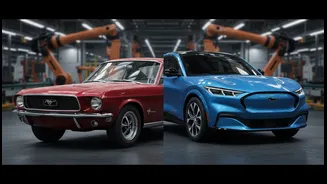
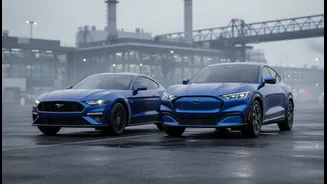
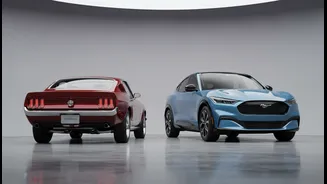
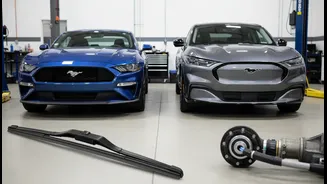
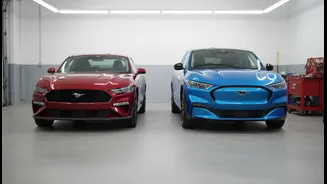
According to the latest filings with the National Highway Traffic Safety Administration (NHTSA), Ford has issued three separate recalls just this week. One major action involves nearly 43,000 Mustang Mach-E electric SUVs from 2021-2023 model years. The
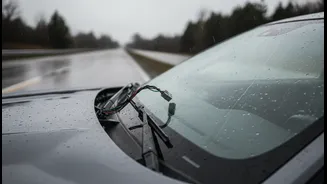
issue centers on a rear differential component that can fracture, potentially causing a sudden loss of power or allowing the vehicle to move while in park. Another recall covers over 67,000 modern Mustang and Mustang GTD models due to a windshield wiper system that may malfunction in cold weather. Finally, a software error that can prevent a pedestrian warning sound from activating has affected more than 66,000 Lincoln Nautilus and Explorer Hybrids. These actions come just after a massive recall of over 741,000 vehicles in late June for a transmission defect that could cause parked cars to roll away.
A Pattern of Problems
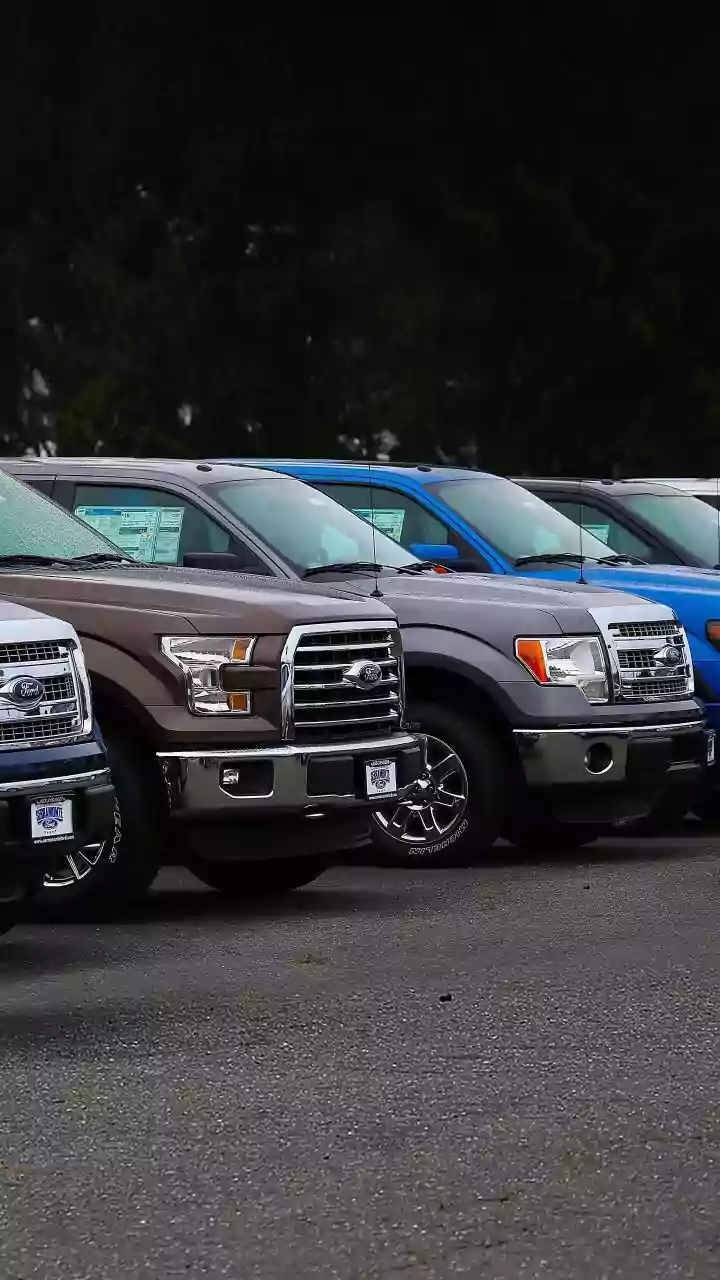
The headline figure of "56 recalls" refers to the number of recall campaigns Ford has launched so far in 2026, according to Department of Transportation data. This puts the company on pace for its second-worst year on record, following a staggering 153 recalls in 2025. To put this in perspective, Ford's 50-plus recalls this year are more than double the number issued by its next closest competitor, Stellantis, which has 19. In the first quarter of 2026 alone, Ford recalled more than 8 million vehicles, accounting for roughly two-thirds of all recall volume in the US auto industry. While recalls are a part of the modern auto business, Ford has consistently led the industry in both the number of separate recall campaigns and the total number of vehicles affected for several years.
Why So Many Recalls?
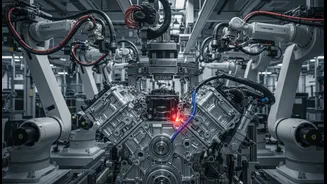
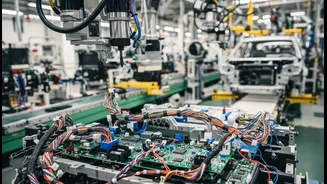
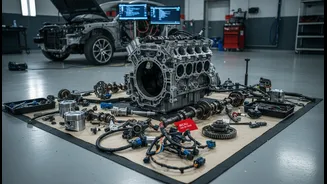
There isn’t one single cause, but rather a combination of factors driving Ford’s quality control struggles. A primary factor is the increasing complexity of modern vehicles. As cars transform into computers on wheels, software glitches have become a dominant cause of recalls. This is particularly true for Ford’s new electric and hybrid models like the Mustang Mach-E, which are packed with new technology that introduces new potential failure points. Additionally, lingering supply chain issues have impacted the quality and consistency of parts from external suppliers. But perhaps the most significant factor is a deliberate shift in strategy. Under CEO Jim Farley, Ford has become more aggressive in issuing its own recalls proactively rather than waiting for regulators to force its hand.
The Farley Doctrine: Fix It Now
CEO Jim Farley has made improving quality his top priority, even if it means more short-term pain in the form of negative headlines. The company has more than doubled its team of safety and technical experts and dramatically increased its testing standards. Farley's view is that it's better to identify and fix problems quickly and transparently, even on older vehicles, to rebuild customer trust and reduce long-term warranty costs. The company has even tied executive bonuses to quality metrics to ensure the entire organization is focused on the goal. Paradoxically, this aggressive, proactive strategy means the recall numbers go up before they can come down. Farley has stated that this is part of a multi-year turnaround and that the company is obsessed with understanding why every defect happens.
A Contradictory Picture
While the recall numbers paint a grim picture, there are signs that Ford's focus on quality might be starting to pay off in other areas. The company was recently named the top mass-market brand in J.D. Power's 2026 U.S. Initial Quality Study, which measures problems experienced in the first 90 days of ownership. It was Ford’s best showing since 2010. Farley has pointed to this as evidence that the company’s new processes are working for its newest vehicles. However, the company still lags in long-term dependability rankings, which measure reliability over a longer period. This creates a confusing situation for consumers: Ford vehicles are showing fewer problems out of the gate, but the company is still dealing with a mountain of issues affecting millions of cars already on the road.