





The New Mainstream Priority
For decades, the Indian diet has been predominantly carbohydrate-heavy, with protein often taking a backseat. While staples like dal, paneer, and eggs have always been part of the cuisine, a broader awareness of protein's role in overall wellness is a more
recent phenomenon. This shift is driven by a growing urban middle class with higher disposable incomes and a newfound focus on health, catalysed by the pandemic. Consumers are moving beyond just taste and convenience to actively seek out 'better-for-you' options. This has pushed protein from a niche, gym-centric product into the mainstream, with people from all walks of life now conscious of their daily intake. Studies have highlighted a significant protein deficiency in many Indian diets, and brands are now racing to fill this gap.
Snacking Gets a Smart Upgrade
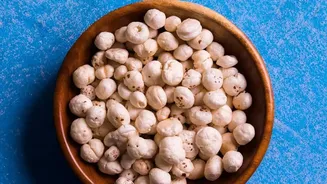
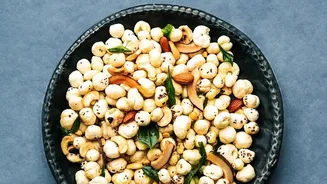
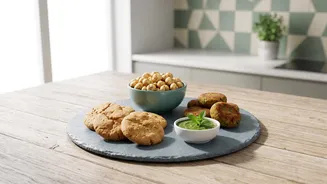
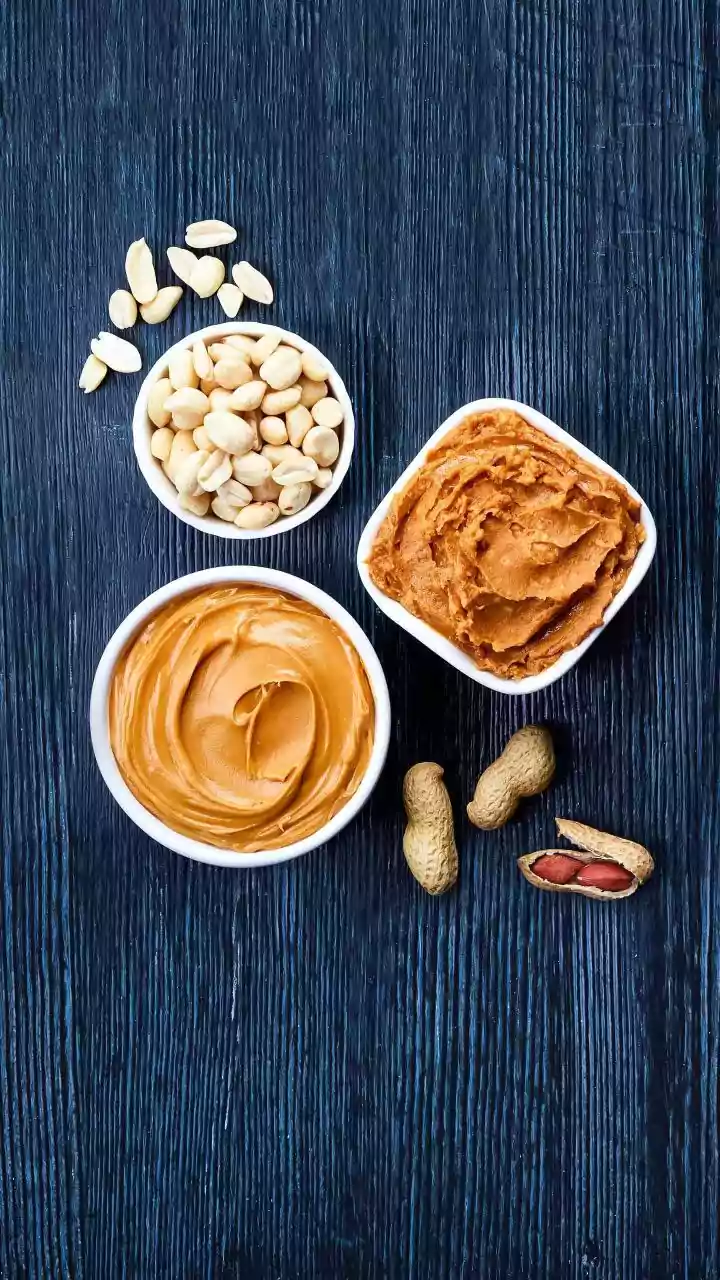
The snack aisle is perhaps the most visible frontier of this protein revolution. Traditional snacks, while beloved, are often fried and high in carbs. Now, a new category of protein-rich snacks is booming. This includes everything from roasted makhana (fox nuts) and chana (chickpeas) to sophisticated protein bars, cookies, and chips. Even traditional items are being rebranded to highlight their natural protein content. Quick commerce platforms have reported staggering growth in demand for protein snacks, with some seeing a 300% increase in the category. This reflects a fundamental change in snacking habits, where consumers want to fuel their bodies and satisfy hunger pangs without compromising their health goals.
Dairy and Bakery Get a Protein Boost
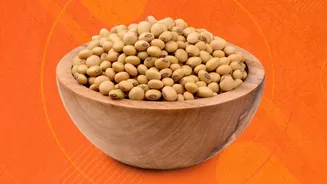
The dairy and bakery industries are also undergoing a significant protein-fortification makeover. In the dairy case, high-protein Greek yogurt has seen a massive surge in popularity, becoming a go-to option for a quick and healthy protein dose. Milk itself is being offered in high-protein versions, appealing to families looking to boost their nutrition. In the bakery segment, the transformation is just as profound. Breads are being fortified with ingredients like soy and millet flours to increase their protein value. Protein-enriched cookies and breakfast cereals are also becoming common, offering a convenient way to start the day with a nutritional advantage. These products cater directly to the time-poor urban consumer who wants their daily staples to work harder for their health.
The Convenience of Protein-Packed Meals
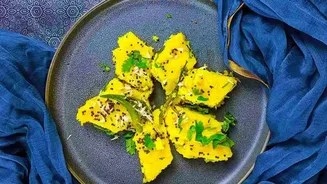
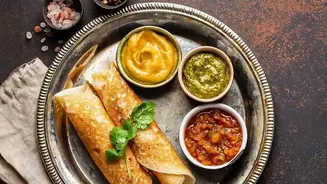
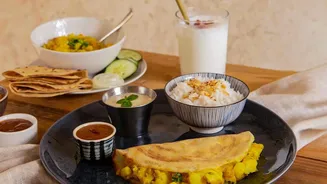
With increasingly busy lifestyles, the demand for convenient meal solutions has soared. The protein trend has fully permeated the ready-to-eat (RTE) and ready-to-cook (RTC) markets. Companies are launching products like protein-fortified dosa and idli batters, soya-based curries, and high-protein biryanis. These products offer a simple solution for individuals and families who want a nutritious, home-cooked-style meal without the extensive preparation time. Startups are innovating with items like plant-based kebabs and tikkis that are high in protein and cater to vegetarian diets. This segment bridges the gap between the need for convenience and the desire for a balanced, protein-adequate diet, proving that fast food can also be healthy food.