

Rice: The Southern Staple
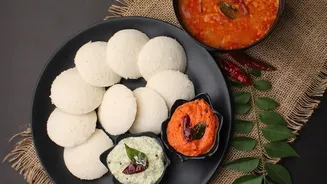
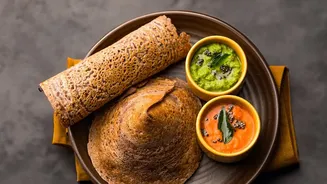
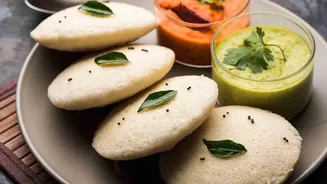
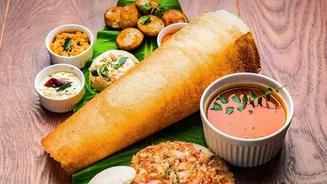
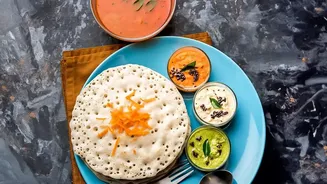
In South India, morning begins with the magic of fermentation. Rice, often combined with urad dal, is transformed into iconic breakfast dishes. There are the soft, pillowy clouds of steamed idli, perfectly light and easy to digest, making them a gentle
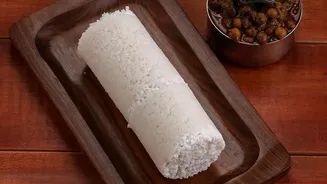
start to the day. Served with sambar and coconut chutney, they are a complete and comforting meal. Then there is the dosa, a thin, crispy crepe made from a similar fermented batter. It can be served plain or filled with spiced potatoes to create the beloved masala dosa. Rice also appears in other forms. Poha, or flattened rice, is a quick and popular breakfast across the country, especially in Maharashtra and Madhya Pradesh. Sautéed with onions, mustard seeds, and turmeric, it's a light yet satisfying dish that can be ready in minutes. From Kerala's delicate, lacy appams made with rice flour and coconut milk to Karnataka's savoury akki roti (rice flatbread), rice proves its incredible versatility.
Wheat: The Heart of the North
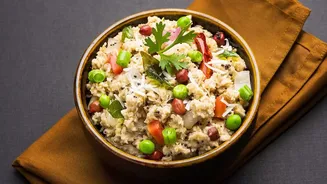
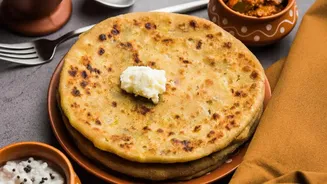
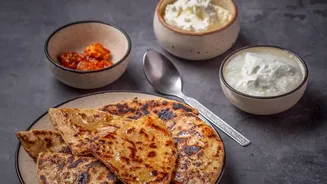
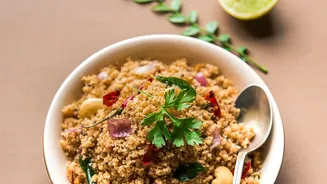
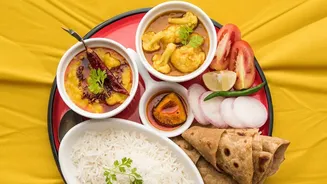
Travel north, and wheat becomes the undisputed king of the breakfast table. The landscape is dominated by a variety of flatbreads, cooked on a tawa (griddle) and often glistening with ghee. The most famous is the paratha, a layered flatbread that can be served plain or stuffed with an array of fillings. Aloo paratha (spiced potato) is a weekend classic in many Punjabi households, best enjoyed with a dollop of butter, curd, or pickle. Other popular stuffings include paneer (cheese), gobi (cauliflower), and mooli (radish). Another wheat-based favourite is upma, a savoury porridge made from semolina (sooji or rava), which is a form of granulated wheat. Cooked with vegetables and tempered with curry leaves and mustard seeds, upma is a quick, filling, and wholesome meal popular across India but with strong roots in the south as well. For more festive occasions, there's puri—a deep-fried, puffed bread—often served with a spicy potato or chickpea curry (chole bhature).
Pulses: The Protein Powerhouse
Pulses, or dals, are the unsung heroes of the Indian breakfast, providing a much-needed protein boost. They often appear in the form of savoury pancakes called cheelas. Moong dal cheela, made from split mung beans, is a light, nutritious, and easily digestible option. Besan cheela, made from gram flour (ground chickpeas), is another popular choice, often dubbed the "vegetarian omelette" for its texture and appearance. These cheelas are typically spiced with ginger, green chillies, and herbs, with finely chopped vegetables mixed into the batter. In South India, pulses are fundamental to dishes like vada, a deep-fried doughnut-shaped fritter made from urad dal, often served alongside idli and sambar. In Gujarat, fermented chickpea flour batter is steamed to create the spongy, airy dhokla, a savoury cake that is both light and filling. From ground flour to whole sprouted lentils, pulses add substance and nutrition to morning meals across the nation.
Millets: The Ancient Grains' Revival
Once a traditional staple, millets are making a major comeback in modern Indian kitchens, celebrated for their health benefits and gluten-free properties. Ancient grains like ragi (finger millet), jowar (sorghum), and bajra (pearl millet) are being reimagined for the breakfast table. You can find ragi dosa and ragi idli, which offer a more nutritious alternative to their rice-based counterparts. Millet flours are also used to make hearty porridges, sweetened with jaggery and flavoured with cardamom, providing a warm and energizing start to the day. In Maharashtra, thalipeeth, a multi-grain flatbread, often incorporates jowar and bajra flour. Millet upma and poha are also gaining popularity, offering a fibre-rich twist on classic recipes. These grains, which were once considered humble fare, are now championed for their sustainability and nutritional prowess, finding their way back to the breakfast plate as both a nod to tradition and a step towards healthier eating.