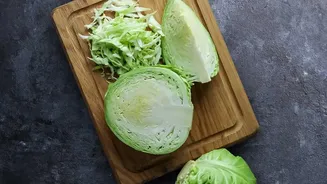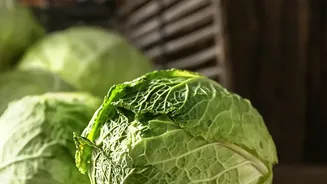









Cabbage is a wonderfully versatile and affordable vegetable, but it has a reputation for one major flaw: turning into a soggy, overcooked mess. Fear not! Achieving that perfect tender-crisp texture is easier than you think.
The Cabbage Conundrum: Why It Goes Wrong
The secret to perfect cabbage
lies in understanding why it often becomes soft and mushy. Cabbage has a high water content, and when cooked for too long, its cell walls break down completely. This process not only creates a limp texture but can also release sulphur compounds, resulting in a bitter taste and an unpleasant smell. The key is to apply heat in a way that softens the vegetable just enough to become tender, without letting it steam in its own moisture for too long.
The Golden Rule: Control Your Cook Time
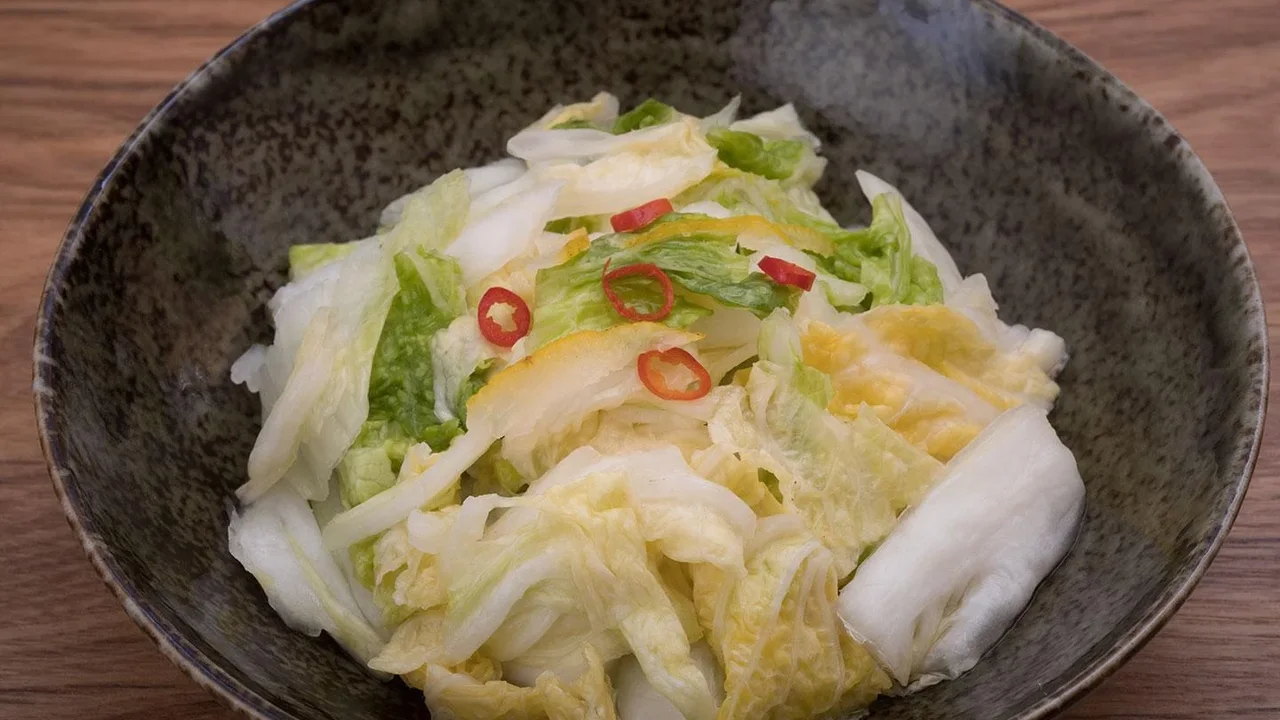
The most common mistake when cooking cabbage is simply leaving it on the heat for too long. Whether you are boiling, frying, or roasting, cabbage cooks much faster than you might think. For most methods, you should start checking for doneness after just a few minutes. The goal is 'tender-crisp'—soft enough to chew easily but still retaining a slight bite and its vibrant colour. Remember, cabbage will continue to cook from residual heat even after you take it off the stove, so it's always better to err on the side of undercooking.
Technique 1: The Quick Sauté or Stir-Fry
Sautéing or stir-frying is one of the best ways to achieve tender cabbage quickly. The high heat cooks the cabbage fast, developing flavour without giving it time to get soggy. Start by heating oil in a large wok or pan over high heat. Add shredded cabbage and keep it moving constantly. You want it to wilt and become tender, which usually takes only 3 to 5 minutes. If the pan gets too dry, you can add a small splash of stock or water to create a little steam, but don't add too much liquid, as this can lead to boiling instead of frying.
Technique 2: The Perfect Roast
Roasting brings out the natural sweetness of cabbage and creates wonderfully caramelised, crispy edges. For this method, cut the cabbage into thick wedges or 'steaks', leaving the core intact to hold the leaves together. Toss the wedges with olive oil, salt, and pepper, and spread them in a single layer on a baking sheet. Roast in a hot oven, around 200–220°C. The cooking time will vary depending on the thickness, but it generally takes about 20–30 minutes, flipping once, until the edges are nicely browned and the centre is fork–tender.
Simple Recipe: Spiced Cabbage Sabzi
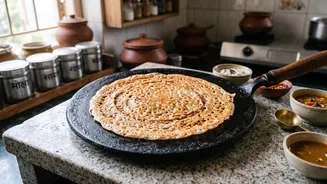
This classic Indian side dish, Patta Gobi Sabzi, is a perfect example of a quick cabbage stir–fry. Heat oil in a pan and add cumin or mustard seeds. Once they sputter, add finely chopped onions and sauté until translucent. Add ginger–garlic paste and green chillies. Next, add turmeric powder, coriander powder, and red chilli powder. Add the shredded cabbage, season with salt, and mix everything well. Cover and cook on low to medium heat for 5–7 minutes, stirring occasionally, until the cabbage is tender but still has a slight crunch. You can also add potatoes or peas along with the cabbage for a more substantial dish.
Simple Recipe: Roasted Cabbage Wedges
This recipe is incredibly simple and versatile. Preheat your oven to 220°C. Cut a head of cabbage into 8 equal wedges, keeping the core attached. Place the wedges on a baking sheet lined with foil. Brush all sides generously with olive oil and season with salt, pepper, and garlic powder. Roast for about 15–20 minutes, then carefully flip the wedges and roast for another 10–15 minutes. The cabbage is done when the edges are crispy and brown, and a knife can be easily inserted into the core. Serve immediately with a squeeze of lemon juice.