


The Modern Decorator's View
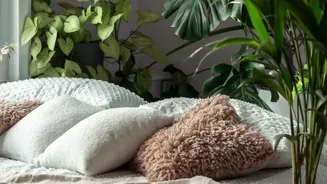
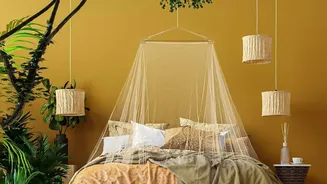
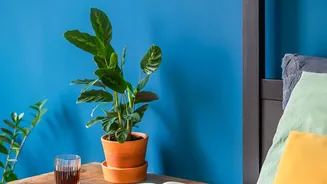
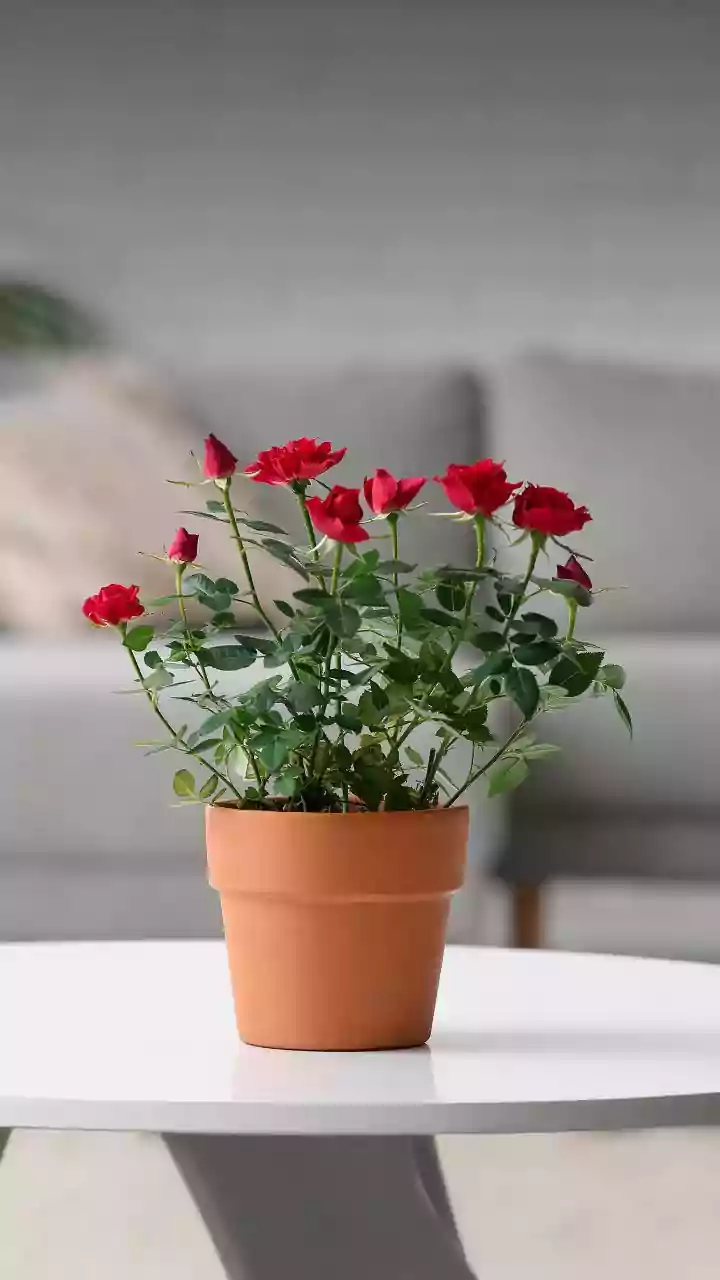
From an interior design perspective, plants are living sculptures. They add colour, texture, and a touch of organic life that can soften sterile corners and bring a room to life. Decorators often use plants to create visual balance and focal points. A
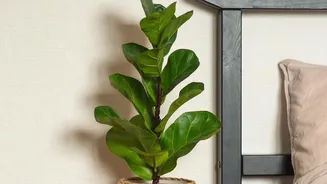
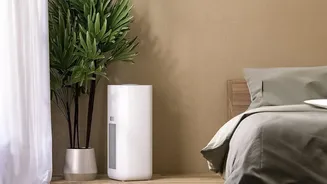
tall Areca Palm can add height in an empty corner, while a trailing Money Plant can cascade beautifully from a high shelf or bookshelf. The focus is purely on aesthetics: how the plant's shape, leaf style, and size complement the furniture, colour scheme, and overall mood of the room. The goal is to create a space that is visually pleasing and reflects personal style, using plants as dynamic accessories.
Enter Vastu Shastra's Perspective
Vastu Shastra, the ancient Indian science of architecture, sees plants not just as decor but as living beings that influence the energy, or 'prana', of a space. According to Vastu, the right plant in the right place can attract positivity, health, and prosperity, while the wrong placement can create energetic disturbances. This tradition offers a more methodical and purpose-driven approach to greenery in the home. It suggests that every plant and its placement has a specific effect on the inhabitants' well-being, transforming plant selection from a matter of taste into a conscious choice for harmony.
The Science of Bedroom Plants
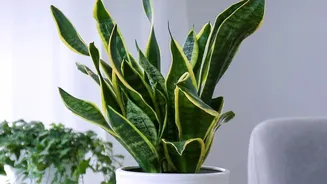
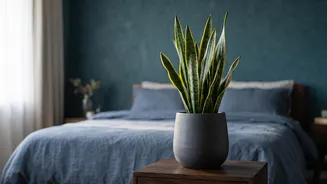
A common myth suggests that having plants in the bedroom is harmful because they release carbon dioxide (CO2) at night. While it's true that most plants respire at night, releasing CO2, the amount is incredibly small. A sleeping human or a pet releases significantly more CO2 than any houseplant. In fact, the opposite is often true; many plants are excellent air purifiers. Research, including a famous study by NASA, has shown that plants can remove common household toxins like formaldehyde and benzene from the air. Furthermore, certain plants, like the Snake Plant and Aloe Vera, are 'CAM plants', which uniquely release oxygen at night, making them ideal for improving air quality while you sleep.
Vastu's Bedroom Rules and Recommendations
Vastu provides specific guidelines for bedroom plants. It generally advises against thorny plants like cacti, as they are believed to introduce sharp, disruptive energy. It’s also recommended to avoid placing plants directly on the bed or too close to where you sleep. Vastu suggests keeping only a few healthy plants, as too many can create an overstimulating energy in a space meant for rest. Auspicious directions for placing plants are often the east, north, or south-east corners. The south-east, in particular, is linked with wealth and is a favoured spot for plants like the Money Plant.
Top Vastu-Approved Bedroom Plants
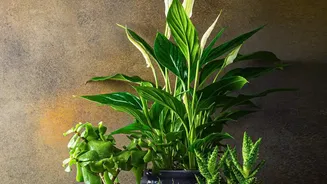
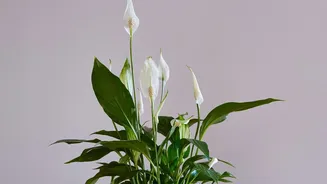
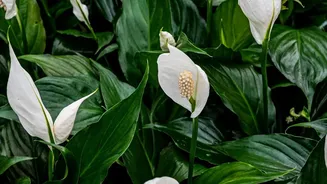
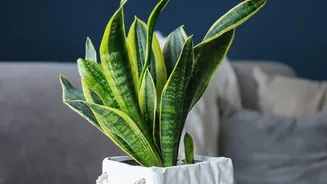
Several plants are highly recommended by both Vastu experts and modern plant lovers for their benefits. Snake Plant: Often called the perfect bedroom plant, it's a Vastu favourite for its protective energy and its scientific ability to release oxygen at night. It is low-maintenance and thrives in low light. Money Plant (Pothos): Believed to attract wealth and prosperity, this trailing vine is a staple in many Indian homes. Vastu suggests placing it in the south-east corner and ensuring its vines climb upwards, symbolizing growth. Peace Lily: With its elegant white blooms, this plant symbolizes peace and harmony. It is an excellent air purifier and is thought to reduce stress and promote a calm atmosphere. Areca Palm: This lush palm removes airborne toxins and acts as a natural humidifier, adding moisture to dry, air-conditioned rooms. It is said to attract positive energy and peace.
How to Create Your Perfect Green Oasis
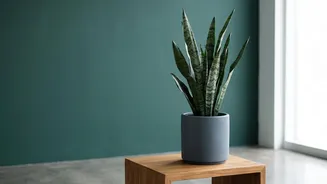
So, how do you choose? The best approach is a blend of both traditions. Start by selecting plants that are recommended by Vastu and are scientifically proven to be beneficial, such as the Snake Plant or Peace Lily. Then, apply interior design principles to place them. Consider the plant's light and water needs first—a plant will not bring good energy if it is not healthy. Use beautiful pots that match your decor. Place a tall plant in a corner that feels empty or position a small, calming plant like lavender on a dresser where you can enjoy its scent. Think of Vastu as the 'why' (for positive energy) and decor as the 'how' (for visual appeal).