




Start Slow and Gentle
Your digestive system has been on a break. After days of light, specific foods, it's not prepared for a sudden, heavy load. The first rule of breaking a fast is to be gentle. Instead of reaching for puris or rich curries, begin with something light and
hydrating. Think a glass of coconut water, a bowl of thin buttermilk (chaas), or a piece of juicy fruit like papaya or melon. These items are easy on the stomach, help restore hydration and electrolytes, and prepare your digestive tract for more complex foods. Rushing this step is a common cause of bloating, acidity, and discomfort.
Reintroduce Foods Gradually
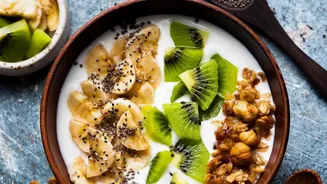
A nine-day fast significantly alters your gut environment. To avoid overwhelming it, reintroduce food groups systematically over a few days. Start with easily digestible foods. On the first day, stick to fruits, vegetable soups, and yogurt. Curd and yogurt are excellent choices as they contain probiotics, which help replenish healthy gut bacteria. The next day, you can slowly bring back regular whole grains and dals. Avoid jumping straight to heavy, fried, or excessively spicy meals, as this can trigger acidity and indigestion, common complaints after fasting periods. Think of it as re-educating your stomach.
Hydration Remains a Priority
During Navratri, you were likely conscious about staying hydrated. That habit shouldn't stop. As you reintroduce different foods, especially those higher in fibre, adequate water intake is crucial to prevent constipation. Continue to sip water throughout the day. Herbal teas without sugar, clear soups, and lemon water are also great options. Sometimes, our brains mistake thirst for hunger, especially after a period of dietary change. Staying well-hydrated helps you manage cravings and ensures your digestive system functions smoothly.
Prioritise Protein and Fibre
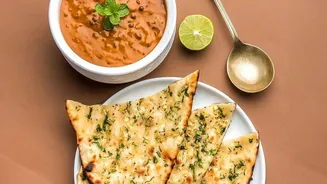
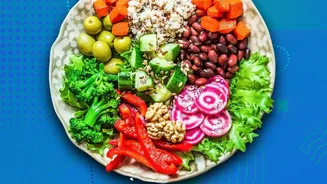
As you move back to a normal diet, focus on building balanced meals. After days of starchy vrat foods like potatoes and sabudana, your body will benefit from protein and fibre. Include protein sources like paneer, dal, legumes, and yogurt in your meals. Protein aids in muscle repair and keeps you feeling full, which can help prevent overeating. Gradually increase your intake of fibre through vegetables, salads, and whole grains. Fibre is essential for good digestion, but introduce it slowly to allow your system to adjust without causing gas or bloating.
Navigating Festive Feasts Mindfully
The end of Navratri often coincides with Dussehra and preparations for Diwali, meaning festive treats are everywhere. You don't need to avoid them entirely, but practicing mindful eating and portion control is key. When faced with a festive spread, don't arrive starving. Eat a small, healthy snack beforehand. Fill a portion of your plate with salads and vegetables first. Savour one or two special items you really want to enjoy, and eat them slowly. It takes about 20 minutes for your brain to register fullness, so pacing yourself can prevent you from consuming too much before your body can send the 'I'm full' signal.
Listen to Your Body's Cues
Ultimately, the best guide for this transition is your own body. Pay attention to how you feel after eating. If you experience bloating, gas, or heaviness, it's a sign that you may have eaten too much, too quickly, or something your system wasn't ready for. Don't feel pressured to keep up with others' eating habits. The goal is to get back to a normal, balanced routine gradually, preserving the detoxifying benefits of your fast while enjoying the festive season in good health. This isn't a race back to your old diet; it's a gentle and mindful return.