




The Cooling Power of Peppermint
The secret behind peppermint's refreshing prowess is menthol, its primary active compound. When applied to the skin, menthol triggers cold-sensitive receptors, creating a cooling sensation that can help distract the brain from underlying discomfort. This
effect, known as counter-irritation, is why menthol is a popular ingredient in many over-the-counter topical products for muscle aches and minor pain. Beyond just a feeling, this cooling effect may help soothe irritated skin and temporarily ease feelings of pain. Some studies also suggest that topical menthol can stimulate blood flow to the area where it is applied, which may help relax muscles and reduce stiffness.
When a Peppermint Compress Might Help
A peppermint compress can be a go-to for several minor complaints. For tension-type headaches, a cool compress applied to the forehead or the back of the neck can be particularly soothing. The cooling sensation of menthol combined with the gentle pressure may help ease the feeling of tension in the head and neck muscles. After a workout or a long day of physical activity, a compress can also provide welcome relief for tired, sore muscles. Depending on the situation, either a hot or cold compress may be appropriate. Cold compresses are generally best for acute situations involving swelling or inflammation, while hot compresses can help with chronic stiffness and muscle relaxation. The sensory experience of peppermint can also simply provide comfort and a sense of refreshment when you're feeling overheated or under the weather with a mild fever, although it's important to know it provides a feeling of cooling rather than clinically reducing body temperature.
How to Make Your Peppermint Compress
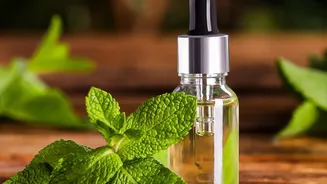
Creating a peppermint compress at home is simple. You will need a clean washcloth, a bowl of water (cold or hot, depending on your need), and high-quality peppermint essential oil. It is crucial to dilute the essential oil before it touches your skin to prevent irritation. For a cold compress: Fill a bowl with cold water and ice. Add 3-5 drops of peppermint essential oil. Soak a clean cloth in the water, wring it out so it's damp but not dripping, and apply it to the desired area, such as your forehead or the back of your neck. For a hot compress: Fill a bowl with water that is hot but not scalding. Add 3-5 drops of peppermint essential oil. Soak the cloth, wring it out carefully, and apply. You can leave the compress on for about 10-15 minutes at a time. Always test the temperature on your wrist first to avoid burns.
Safety and Precautions to Keep in Mind
While generally safe for topical use, there are important precautions. Peppermint essential oil is potent and should never be applied directly to the skin without being diluted in water or a carrier oil like coconut or almond oil. Always perform a patch test on a small area of skin to check for any irritation or allergic reaction before wider use. Skin reactions can include redness, a burning sensation, or dermatitis. Avoid applying the compress to broken, damaged, or irritated skin. It is especially important to keep peppermint oil away from the eyes and other mucous membranes. Peppermint oil should not be used on the face or chest of infants and young children, as inhaling the potent menthol can cause serious breathing problems. If you are pregnant, breastfeeding, or have health conditions like GERD, gallstones, or severe liver issues, it's best to consult with a healthcare provider before using peppermint oil.