



Gathering Your Supplies
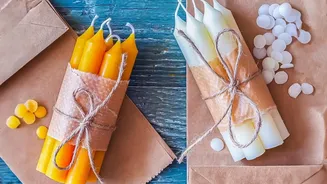
Before you can start pouring, you’ll need to assemble your candle-making toolkit. Having everything ready makes the process smooth and enjoyable. First, choose your wax. Soy wax is a popular choice for beginners as it's forgiving, burns cleanly, and holds
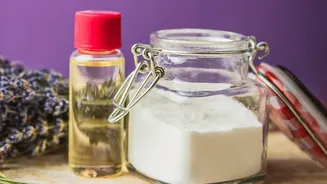
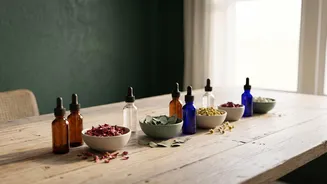
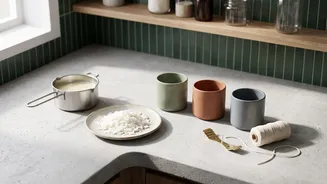
scent well. Other options include paraffin for a strong scent throw, or natural beeswax and coconut wax for a more luxurious feel. Next, you'll need wicks. The size of the wick must correspond to the diameter of your container to ensure an even burn. Wick stickers or a dab of hot glue will anchor them to the bottom of your chosen vessel. You will also need fragrance oils, which are specifically formulated for candle making and perform better in heat than many essential oils. A double boiler is ideal for melting wax safely, but a simple heat-proof pitcher placed inside a saucepan of water works too. Finally, have a thermometer to monitor the wax temperature, and a centering tool (or even just two pencils) to hold the wick straight while the candle sets.
The Step-by-Step Process
With your supplies at the ready, it's time for the magic to happen. Start by securely attaching your wick to the bottom centre of your empty container. Next, weigh your wax flakes — a general rule is to double the volume of your container to determine the weight of wax needed. Gently melt the wax in your double boiler, stirring occasionally. Keep a close eye on the temperature with your thermometer. Once the wax is fully melted, remove it from the heat. This is the crucial moment to add your fragrance oil. The ideal temperature for adding fragrance can vary depending on the wax, so check the manufacturer’s instructions. Stir gently but thoroughly for a minute or two to ensure the oil is fully incorporated. Let the scented wax cool for a few minutes before pouring. Pour slowly and steadily into your container, leaving a little space at the top. Secure the wick in the centre using your centering tool. Now comes the hardest part: patience. Let the candle cure, undisturbed, for at least 24 hours before trimming the wick to about a quarter of an inch.
Safety is Paramount
Working with hot wax requires caution. Never leave melting wax unattended, and always use a double boiler rather than direct heat to prevent it from getting too hot and becoming a fire risk. Ensure your workspace is well-ventilated by opening a window or using a fan, especially when working with fragrances. Keep water away from your melting pot, as even a small splash can cause the hot wax to sputter dangerously. Wear protective clothing like an apron and closed-toe shoes to guard against spills. Finally, when burning your finished creation, always place it on a heat-resistant surface, away from flammable items like curtains, and never leave a burning candle unattended.
Choosing Your Signature Scent
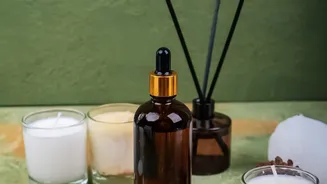
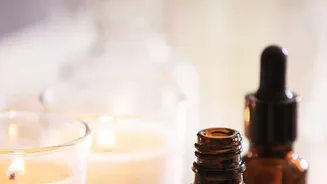
The fragrance is the soul of your candle. When choosing a scent, consider the room where it will be used and the mood you want to create. A small bathroom might be overwhelmed by a scent that would be perfect for a large living room. Fragrance oils come in a vast array of options, from bright, fresh spring florals to warm, spicy autumnal notes. Unlike essential oils, fragrance oils are specifically designed to bind with wax and maintain their character when heated, providing a more reliable and consistent 'scent throw'—the term for how well a candle's aroma fills a space. Don't be afraid to experiment by blending different oils to create a truly unique signature scent for your home.
A Personalised Decorative Touch
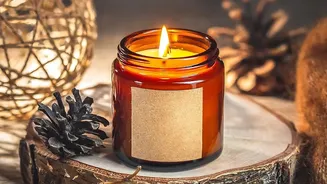
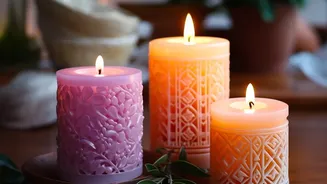
The container you choose is what transforms your candle from a simple light source into a piece of decor. The possibilities are nearly endless, as long as the container is heat-safe and won't leak or crack. Vintage teacups found at a thrift store can create a charming, delicate look. Classic mason jars offer a rustic, farmhouse appeal and can be decorated with twine or custom labels. For a more modern or industrial vibe, consider using small terracotta pots or even concrete planters. You can also get creative by repurposing old tins, wine glasses, or wooden bowls. Adding custom labels, painting the outside of a glass jar, or wrapping it in decorative paper can add a final layer of personalisation that makes your homemade candle a true reflection of your style.