




The Science in the Smell
Naphthalene balls, often called mothballs, are small spheres of a chemical pesticide, typically naphthalene or paradichlorobenzene. Their power lies in a process called sublimation, where the solid ball turns directly into a gas. It's this vapour that
fills the enclosed space of a trunk or wardrobe. The fumes are toxic to moth larvae and other fabric pests like silverfish, effectively killing them and protecting the garments stored inside. This is why they seem to 'disappear' over time; they have turned into a gas that has done its job. Contrary to popular belief, they don't just repel pests with their strong odour—they are a fumigant designed to eliminate them in a contained area.
A Practical Tool in Indian Households
For decades, naphthalene balls have been an affordable and effective solution for protecting expensive textiles during long-term storage. In a country with diverse climates, from humid monsoons to dry winters, protecting natural fibres like wool, silk, and cotton from pests is crucial. They are commonly placed in steel trunks, wooden wardrobes, and storage boxes to safeguard everything from winter wear to wedding sarees. Beyond clothes, they are also used in bathrooms and shoe racks, primarily to mask odours and provide some limited deterrence against insects, though they are not designed to be disinfectants.
Understanding the Risks, Not the Hype
The same chemical action that makes naphthalene effective also carries risks if used improperly. The key is understanding that if you can smell the mothballs strongly, you are inhaling the pesticide. Short-term exposure to high concentrations of the vapours can cause headaches, nausea, dizziness, and irritation to the eyes and nose. The most significant health concern is for individuals with a specific genetic condition called G6PD (glucose-6-phosphate dehydrogenase) deficiency. For these individuals, exposure to naphthalene can cause a serious condition called haemolytic anaemia, where red blood cells are destroyed faster than they can be made. Young children and pets are also particularly vulnerable, as the small white balls can be mistaken for candy and accidentally ingested, which can be very dangerous.
The Golden Rules of Safe Usage
The effectiveness and safety of naphthalene balls hinge entirely on using them correctly. The most critical rule is to use them only in airtight, sealed containers. This traps the vapour, allowing it to build up to a concentration that is lethal to moths without spreading into your living space. Tossing them into open closets or drawers is not only ineffective but also exposes everyone in the home to the fumes. Always wash your hands after handling them. Before wearing clothes that have been stored with naphthalene balls, it's essential to air them out thoroughly outdoors and then wash them to remove any residual chemicals.
Exploring Natural Alternatives
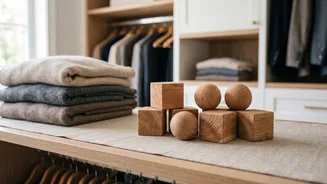
For those who prefer to avoid chemicals, several natural alternatives can help protect fabrics. Cedar blocks or chips are a popular choice; their aromatic oil repels insects. Sachets filled with dried lavender, cloves, rosemary, or mint can also be effective and leave a pleasant scent on your clothes. These natural options work primarily as repellents rather than fumigants, so they are best suited for preventing new infestations in clean, regularly accessed areas. For heavy-duty protection of valuable items, the sealed-container method with naphthalene remains a reliable choice when precautions are followed.