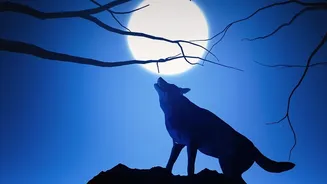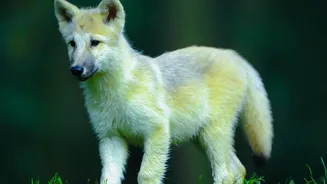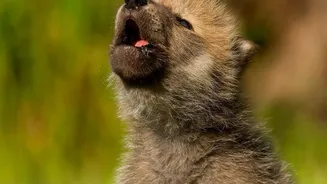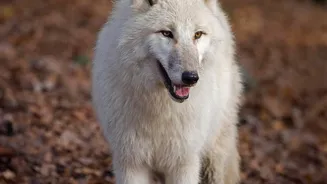








A Continental Comeback
Not long ago, seeing a wolf in Western Europe was nearly impossible. Hunted and driven from their habitats, they survived only in small, isolated pockets. Today, the story is dramatically different. Thanks to legal protections, habitat restoration, and a growing
prey base of deer and wild boar, wolf populations have surged. One 2025 study noted that by 2022, Europe was home to over 21,500 wolves, a figure representing a 58% increase in just a decade. This remarkable recovery is not due to reintroduction programs, but rather the wolves' own resilience, as they have naturally dispersed from surviving populations in countries like Italy and Poland to reclaim territory across the continent, including Germany, France, and even the Netherlands.
The Lure of the Wild
As the wolves have returned, so have the tourists. A new niche in wildlife travel is booming, with adventure seekers joining expert-led expeditions for a chance to see one of Europe's top predators. From the Apennine Mountains in Italy to Spain's Sierra de la Culebra and the vast forests of Romania, small tour operators are guiding visitors on tracking expeditions. These trips often focus on more than just a sighting; they teach guests to interpret tracks, understand wolf behaviour, and appreciate the complex ecosystems they inhabit. The draw is the sense of possibility—the knowledge that something truly wild moves through the landscape, just beyond sight.
An Economic Engine for Rural Regions
This burgeoning wolf tourism offers a vital economic lifeline to remote communities. Ecotourism is one of the fastest-growing travel sectors, and the presence of wolves creates a tangible incentive for conservation. Visitors spend money on local guides, family-run guesthouses, and restaurants, injecting much-needed revenue into areas that may have struggled with depopulation. In Spain's Sierra de la Culebra region, one study estimated that visitors drawn by wolves spent around €450,000 in a single year on lodging and food. This creates a powerful argument for conservation: a living wolf can support local businesses for years, generating far more value than a hunted animal.
Coexistence and Conflict
The comeback is not without its challenges. The same wolf that delights a tourist can be a significant threat to a livestock farmer. Predation on sheep and other animals is the primary source of human-wolf conflict across Europe. This has led to intense political debate, with some governments considering a relaxation of the wolf's strict protection status. However, conservation groups argue that the focus should be on mitigation. Proven methods like using specialized guard dogs, night enclosures, and providing fair compensation for losses can help farmers adapt. Successfully managing this conflict is the key to ensuring the wolf's long-term survival in human-dominated landscapes.
A Symbol of a Wilder Europe
Ultimately, the return of the wolf is about more than just one species. It is a key part of a broader movement known as 'rewilding', which aims to restore natural processes and biodiversity to landscapes. As a keystone species, wolves play a crucial role in maintaining ecological balance by managing herbivore populations, which in turn helps forests and other habitats to thrive. Their recovery signals a profound shift in Europe's relationship with its own wilderness—a move towards a future where nature is not just protected in isolated parks, but is an integrated part of the continent.