





A New Generation of Aerial Explorer
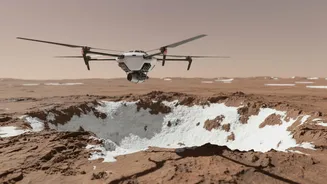
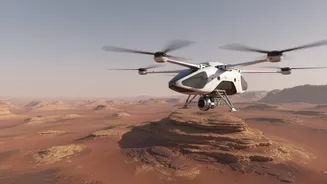
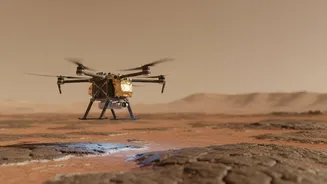
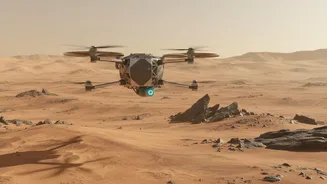
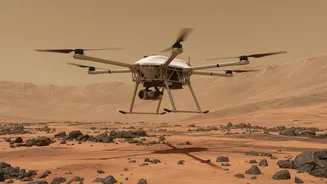
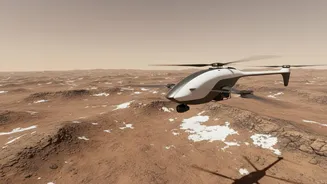
The Skyfall mission concept represents the next major leap in the aerial exploration of Mars. Following the trailblazing performance of the Ingenuity helicopter, which proved that powered, controlled flight was possible in the thin Martian atmosphere,
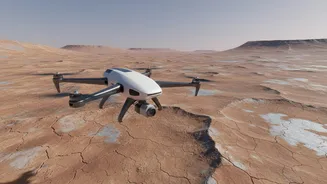
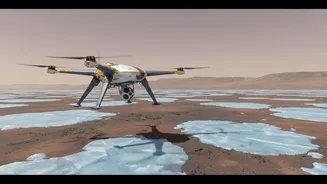
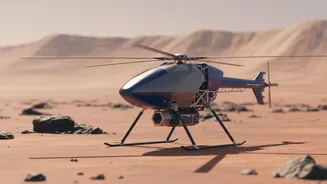
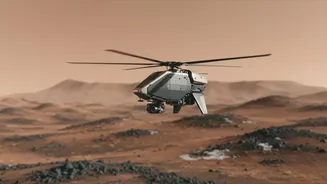
NASA is designing an more advanced and scientifically capable successor. The Skyfall concept involves sending a trio of sophisticated helicopters to Mars, each equipped with an advanced suite of instruments. These next-generation rotorcraft are being designed to be more robust, carry heavier science payloads, and have greater endurance than their predecessor, building on years of research into Mars Science Helicopter concepts. The goal is no longer just to fly, but to conduct meaningful, independent scientific investigations from the air, covering far more ground than a rover ever could.
Seeing Beneath the Sands
The headline technology for the Skyfall concept is its ground-penetrating radar (GPR). GPR works by sending radio waves into the ground and analyzing the signals that bounce back. Different materials, such as rock, dust, and ice, reflect these waves differently, allowing scientists to create a high-resolution map of the subsurface. While orbiters have used radar to map Mars from above and rovers like Perseverance have used it from the ground, a helicopter offers a unique advantage. By flying low and slow, a Skyfall helicopter could use GPR to get a uniquely detailed look at the first few metres beneath the surface—a critical zone that orbiters struggle to see clearly.
The High-Tech 'Cape'
The key innovation making this possible is a unique, flexible radar antenna that engineers have described as looking like a small cape trailing behind the helicopter. This fabric-based antenna is a brilliant solution to a complex engineering problem: it needs to be long enough to function effectively but also resilient enough to bend and flex during the dozens of landings it will make on rocky, uneven terrain. Recent tests at NASA's Jet Propulsion Laboratory (JPL) have demonstrated that the antenna can withstand this repeated stress, bending out of the way upon landing and springing back into its correct shape for data collection upon takeoff. This lightweight, durable design is crucial for deploying advanced scientific tools on a small, mass-constrained aircraft.
The Search for Water Ice
The primary scientific goal for Skyfall's GPR is the search for accessible, shallow water ice. Locating and mapping these ice deposits is a top priority for future exploration. For scientists, this ice holds a record of Mars's past climate, offering clues as to how the planet transformed from a warmer, wetter world into the frozen desert it is today. For future human missions, these ice deposits are a vital potential resource. Astronauts could theoretically process the ice to create drinking water, breathable air (oxygen), and even rocket fuel. By mapping the extent and depth of this ice, Skyfall could play a crucial role in identifying the safest and most resource-rich landing sites for the first humans on Mars.
A Daring Delivery
The Skyfall mission concept isn't just ambitious in its science goals; its proposed delivery method is equally bold. The plan involves the helicopters being deployed mid-air during the entry and descent phase through the Martian atmosphere, allowing them to fly themselves to the surface for the first time. This builds on extensive testing of next-generation rotor systems, some of which have been pushed past the speed of sound in simulated Martian conditions to ensure they are strong enough for such a mission. If the concept is approved and moves forward, the Skyfall mission could launch as early as 2028, heralding a new and exciting chapter in our exploration of the Red Planet.