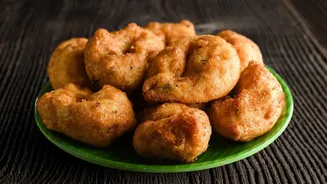


That unmistakable crunch, giving way to a soft, steamy interior. Is there anything more satisfying than a fresh vada? This beloved Indian fritter is a true culinary chameleon, equally at home on a breakfast platter as it is beside a hot cup of chai.
The All-Day Delight
In
the grand theatre of Indian snacks, the vada holds a special place. It’s a category of savoury fried delights rather than a single dish, with dozens of regional variations. What unites them is their role as a comforting, accessible, and deeply satisfying food that fits into any part of the day. For many, the morning doesn't truly begin without it. For others, the workday isn't properly over until a vada is enjoyed with evening tea. Its history is long, with mentions of a similar preparation called 'vataka' appearing in texts dating back as far as 100 BCE. This timeless appeal is a testament to its simple genius: a lentil or vegetable-based batter, seasoned and fried to perfection. Whether you’re in a bustling city cafe or a quiet village tea stall, the sight of vadas being freshly fried is a universally welcome one.
A Tale of Two Vadas: Medu vs. Masala
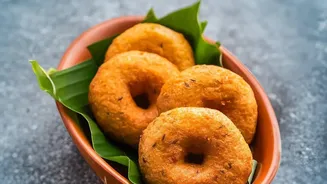
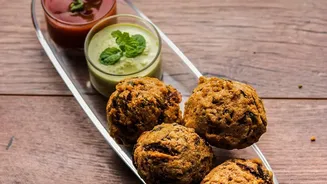
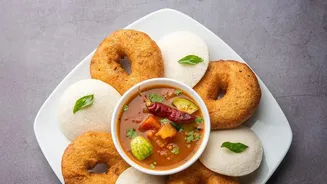
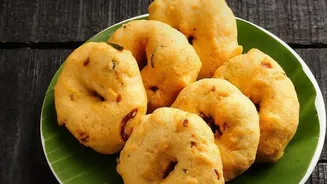
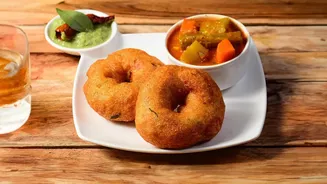
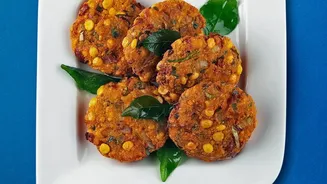
While the vada family is vast, two members are particularly famous across India. The Medu Vada, often called the 'Indian doughnut' due to its ring shape, is a icon of South Indian cuisine. Made from a smooth, fermented batter of urad dal (black gram), it’s celebrated for its delightfully fluffy interior and crisp, golden-brown crust. The name itself, 'Medu', means 'soft' in Kannada and Tamil, perfectly describing its texture. In contrast, the Masala Vada is its rugged, spicier cousin. Made from a coarser paste of chana dal (Bengal gram) and other lentils, it’s a disc-shaped fritter packed with chopped onions, green chillies, curry leaves, and fennel seeds. While the medu vada is soft and airy, the masala vada is all about a hearty, satisfying crunch in every bite.
The Perfect Morning Ritual
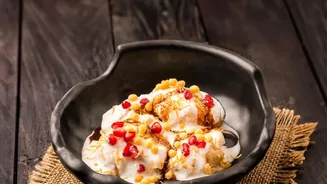
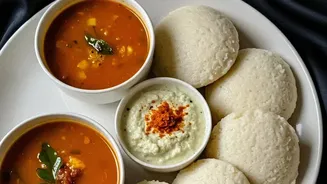
As a breakfast item, the Medu Vada is king. It’s a cornerstone of the classic South Indian 'tiffin'. You'll most often find it served alongside pillowy idlis, with generous bowls of hot sambar and fresh coconut chutney. There’s a particular joy in breaking off a piece of crispy vada and watching it soak up the tangy, vegetable-laden sambar. This combination is not just a meal; it's a ritual. Some even prefer the 'sambar vada', where the fritters are soaked in sambar until they become soft sponges of flavour. In Andhra Pradesh, it might even be paired with a flavourful chicken curry. Rich in protein from the lentils, it's a breakfast that is both indulgent and substantial, setting you up for the day ahead.
The Ultimate Tea-Time Companion
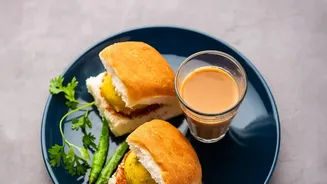
As the afternoon sun mellows, the vada transitions seamlessly into its role as the ultimate tea-time snack. This is where the robust Masala Vada truly shines. Its spicy, aromatic profile is the perfect counterpoint to a steaming cup of masala chai or a strong filter coffee. The crunch of the vada, the warmth of the tea, the chatter of friends—it’s an experience that defines evenings for many across the country. On a rainy day, the appeal of a hot plate of 'paruppu vada' (as it's known in Kerala and Tamil Nadu) is almost impossible to resist. It’s a snack that’s meant to be shared, enjoyed fresh from the frying pan when its texture and flavour are at their peak.
A Country of Crunchy Variations
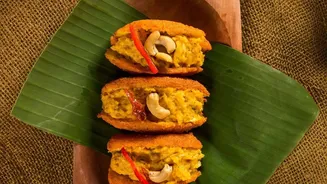
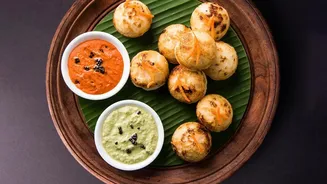
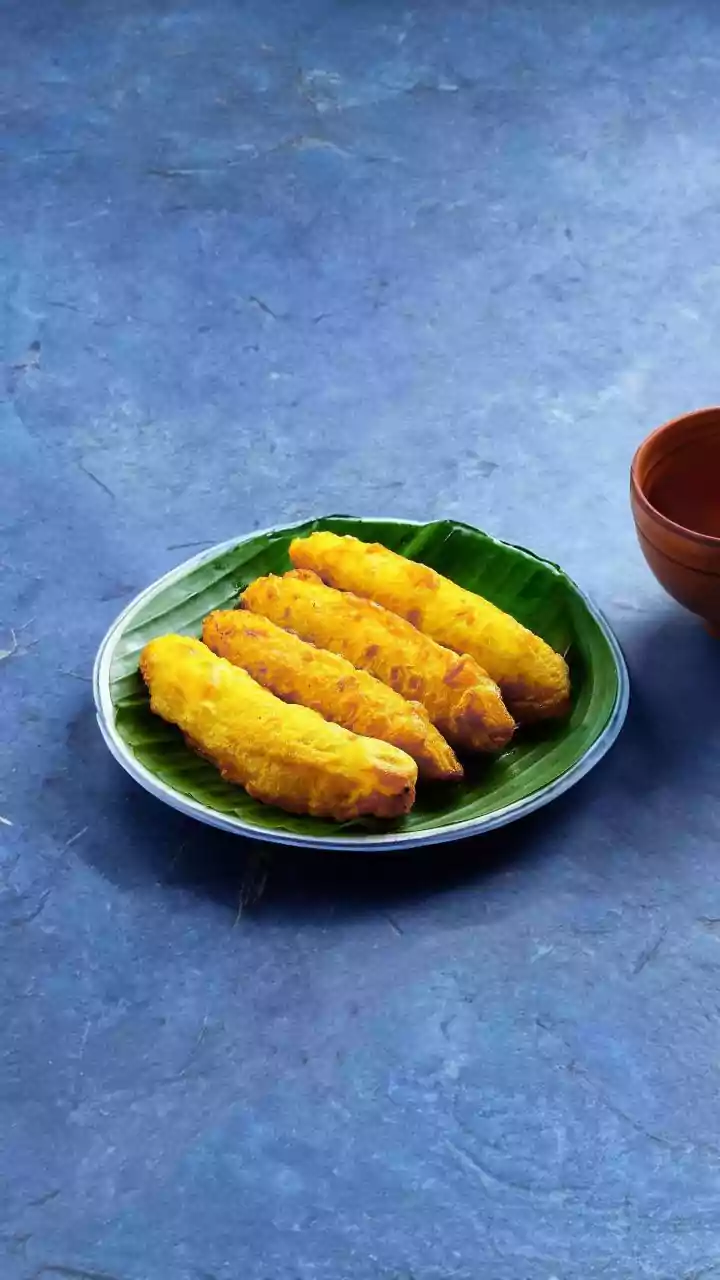
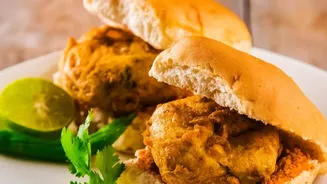
Beyond the two most famous types, India is home to a spectacular diversity of vadas. In Maharashtra, the Batata Vada—a spiced potato ball coated in gram flour batter and fried—is the heart of the iconic street food, Vada Pav. Rajasthan offers the spicy Mirchi Vada, a large green chilli stuffed with a potato mixture and fried. The Maddur Vada from Karnataka is a unique, crispy, flat disc made with rice flour, semolina, and onions, which famously originated as a railway station snack. From the Sabudana Vada enjoyed during fasts to the sweet Vella Vada made with jaggery during festivals, there truly is a vada for every region and every occasion.