

1. Start Small with Accent Pieces
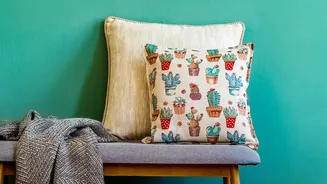
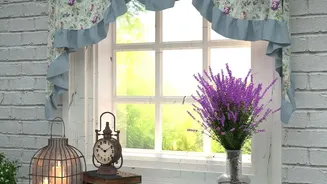
Dipping your toes into the world of vintage patterns doesn't require a complete overhaul. The easiest way to begin is with small, swappable accents. Think decorative cushions with a classic chintz floral, a throw blanket featuring a paisley motif, or lampshades
covered in a simple calico print. These smaller items add a layer of texture and visual interest without overwhelming the space. You can also group framed vintage fabric swatches or even wallpaper remnants as a unique gallery wall. This approach allows you to experiment with different patterns like flame stitch or herringbone on a small scale, finding what you love before committing to a larger statement.
2. Go Bold with a Statement Wall
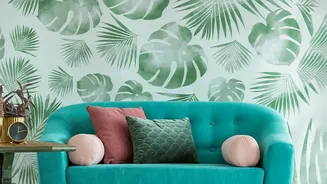
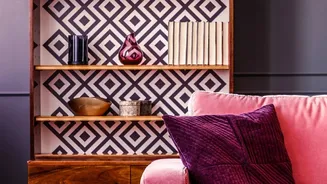
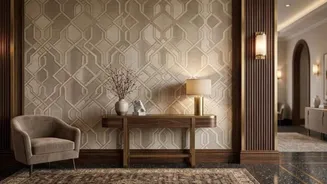
When you're ready to make a bigger impact, dedicating one wall to a vintage pattern can transform a room from plain to captivating. Vintage-inspired wallpaper is the most direct route, offering endless options from intricate damask and scenic toile to geometric Art Deco designs. A feature wall behind a bed or a sofa acts as a focal point, anchoring the room's design. For a more hands-on approach, stencils can be used to replicate repeating patterns. If your walls are uneven, a busy, detailed pattern is a great choice as it can cleverly camouflage imperfections. To maintain balance, keep the other walls in the room a neutral shade drawn from the pattern itself.
3. Upholster a Classic Furniture Piece
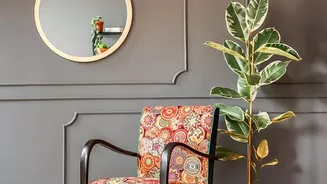
Breathing new life into an old piece of furniture with vintage-patterned fabric is a sustainable and stylish choice. Reupholstering a beloved armchair, a set of dining chairs, or even just a simple footstool can create a one-of-a-kind statement piece. Consider a durable fabric with a traditional motif, like a rich velvet with a damask pattern or a sturdy cotton with bold stripes. This technique works particularly well when mixing design styles; a modern, clean-lined sofa paired with an armchair upholstered in a classic floral fabric creates a dynamic and interesting contrast. It’s a fantastic way to honour a piece's history while updating it for a contemporary home.
4. Layer Patterns Through Textiles
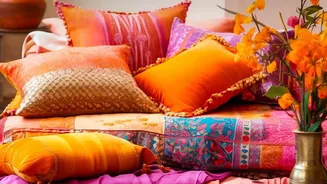
One of the secrets to a professionally designed look is layering, and textiles are the perfect medium for this. Start from the ground up with a vintage-style rug, such as a Persian or oriental design, which can anchor a room's entire colour scheme. Then, add patterned curtains, making sure their scale and colour complement the rug. Finally, layer smaller textiles like throws and pillows on sofas and beds. The key to successfully mixing patterns is to vary their scale. Combine one large-scale pattern (like on a rug) with a medium-scale pattern (like on curtains) and a small-scale one (on a cushion). As long as they share a common colour, the mix will feel intentional and harmonious, not chaotic.
5. Mix and Match Eras and Styles
True character comes from a home that feels collected over time. Don't be afraid to mix patterns from different eras. An Art Deco geometric print can coexist beautifully with a Victorian floral if you find a common thread to link them, like a shared color palette. One popular approach is the 80/20 rule: let one style (either modern or vintage) dominate about 80% of the space, and use the other for the remaining 20% as an accent. For example, in a largely modern room, vintage patterns on a rug, cushions, and a single piece of art can provide warmth and a sense of history without feeling like a theme park. This curated blend of old and new is what makes a space feel truly personal and timeless.