




From Automatic to Intentional
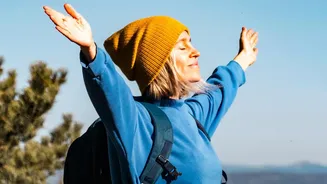
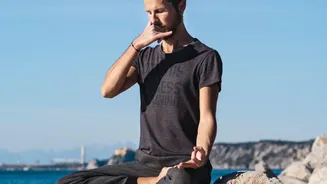
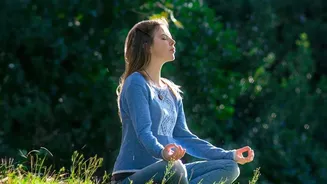
Breathing is the most automatic thing we do, but on the trail, it can become a powerful mindfulness tool. Mindful breathing, often called diaphragmatic or 'belly' breathing, involves consciously taking slower, deeper breaths. Instead of the shallow chest
breathing many of us do without thinking, this technique engages the diaphragm, a large muscle at the base of the lungs. The goal isn’t just to take in air, but to pay attention to the entire process: the cool air entering your nose, the expansion of your belly, and the slow, controlled release. This practice pulls your awareness away from distracting thoughts and anchors you firmly in the present moment, turning a simple walk into a moving meditation.
The Science of a Slower Breath
The benefits of slowing your breath are more than just a feeling; they are rooted in physiology. Slow, deep breathing activates the parasympathetic nervous system, often called the body's 'rest and digest' system. This helps counteract the 'fight or flight' response, which is governed by the sympathetic nervous system. A meta-analysis of multiple studies has shown that slow-paced breathing can significantly reduce feelings of stress, anxiety, and depression. It can lower your heart rate, stabilize blood pressure, and even decrease levels of the stress hormone cortisol in your body. By practicing this on a hike, you are flooding your body with oxygen, which can improve your physical endurance and mental clarity on the trail.
A Wellness Tool, Not a Treatment
It's crucial to understand the role of mindful breathing. It is a powerful technique for managing everyday stress and enhancing your overall sense of well-being. Think of it as mental and emotional fitness. However, it is not a substitute for professional medical treatment. While research shows that breathwork can be a valuable complement to therapy for conditions like anxiety, it is not a cure on its own. If you are struggling with significant mental health challenges, it is essential to consult with a doctor or a qualified mental health professional. Consider mindful breathing a resource in your wellness toolkit, used to promote calm and focus during your daily activities, like a beautiful hike.
How to Practice on Your Next Hike
The best part is that you don't need to stop walking to practice mindful breathing, especially on a relatively flat and easy trail. The key is to sync your breath with your steps in a comfortable rhythm. Start by inhaling through your nose for a count of three or four steps. Then, without holding your breath, exhale slowly through your mouth or nose for the next three or four steps. The goal is to create a smooth, continuous cycle. Don't force it; find a rhythm that feels natural and sustainable. You can practice this for just a few minutes at a time. As you walk, focus on the sensation of your feet on the ground and the rhythm of your breath. This simple coordination keeps you grounded and present.
Simple Tips to Get You Started
To make the experience enjoyable, choose a familiar and easy trail for your first few attempts. This way, you can focus on your breath without worrying about navigating difficult terrain. Don't feel pressured to do it for the entire hike. Start with a five-minute session and see how it feels. The idea is to integrate it gently, not turn your relaxing hike into a rigid exercise. Notice the world around you—the smell of the earth, the sound of leaves underfoot, the feeling of the breeze. Let your slow breathing be a soundtrack that enhances these sensory details, rather than a distraction from them. Over time, you may find the practice becomes more automatic, a natural part of how you move through the world.