



Meet the 'Jouyo Manju'
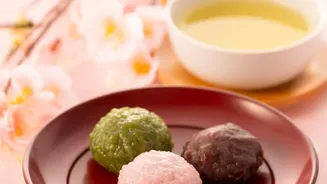
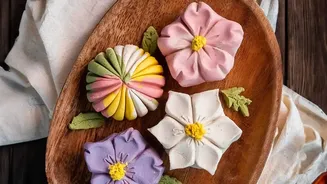
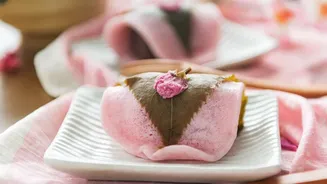
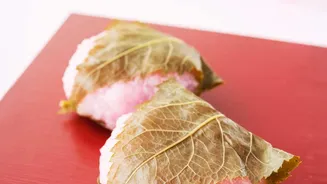
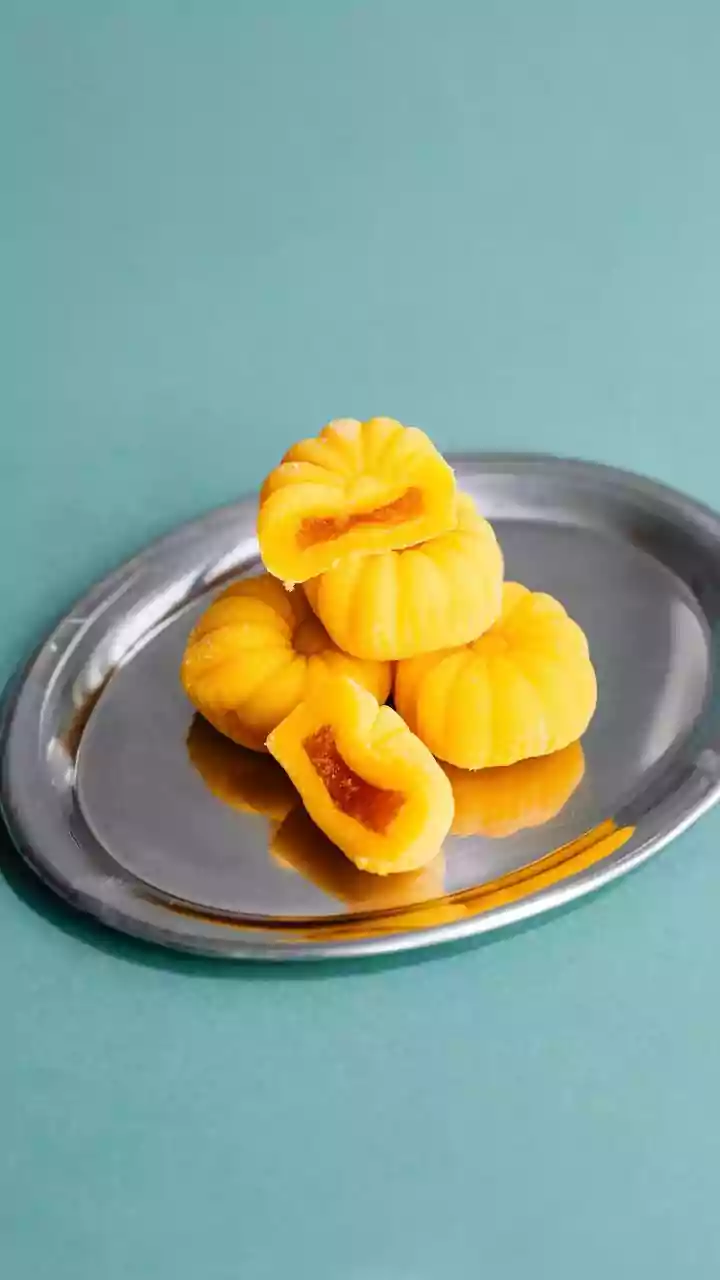
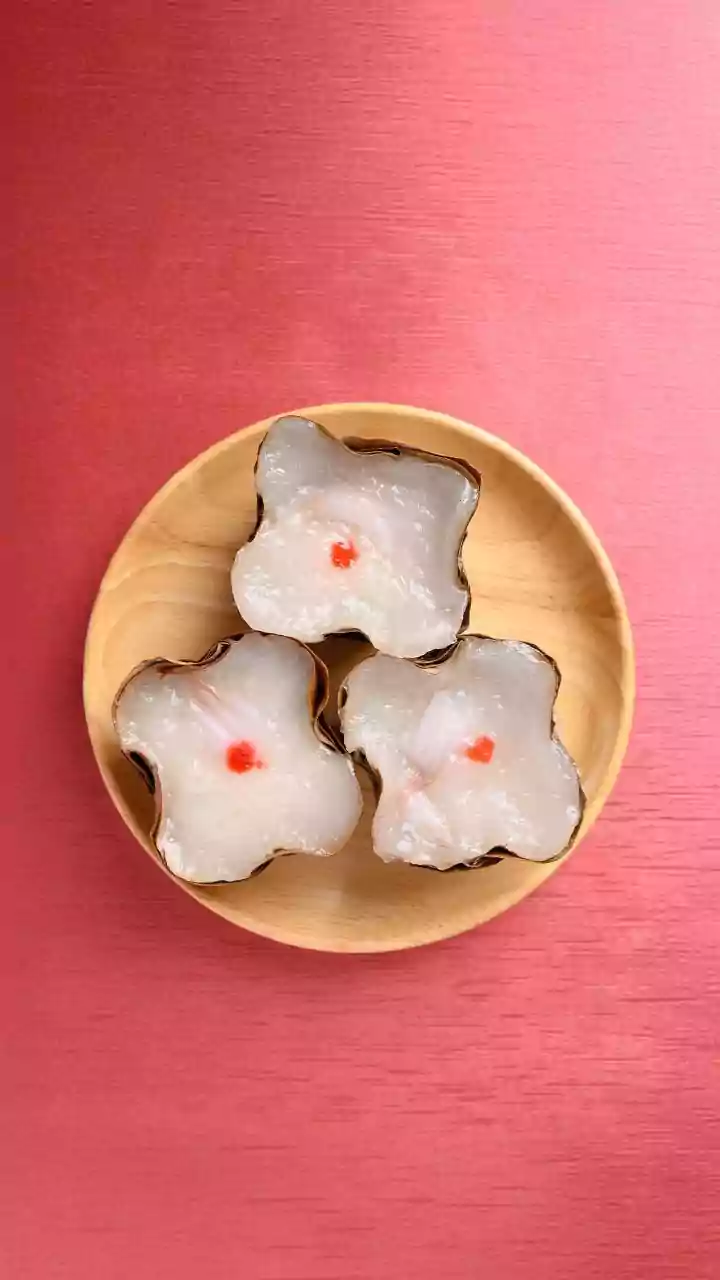
The Japanese sweet causing this stir is a type of 'wagashi' (traditional Japanese confectionery) known as 'Jouyo Manju'. Manju are steamed cakes, typically filled with a sweet paste, and have been a part of Japanese culture for centuries. While there
are many varieties, Jouyo Manju is particularly special. Its outer dough is not made with wheat flour, but with a combination of rice flour and grated Japanese mountain yam, which gives it a distinctively moist and soft texture. This elegant sweet is often reserved for celebratory occasions and formal events like tea ceremonies, where it's considered a treat for honoured guests.
An Uncanny Resemblance
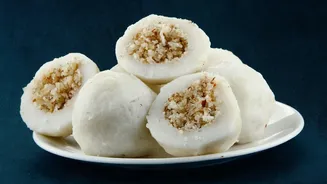
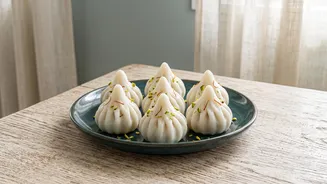
The most striking thing about Jouyo Manju, especially when shaped in a particular way, is its resemblance to the Indian modak. Both are plump, filled dumplings with a gathered or pleated top that tapers to a point. This visual parallel has caught the eye of food lovers online, sparking curiosity about a potential connection between the two. The shape of the modak is iconic, deeply tied to religious tradition as it's considered a favourite of Lord Ganesha. To see its doppelgänger in a completely different culinary landscape is a delightful surprise, making many wonder if this is a case of shared history or simple coincidence.
A World of Difference Inside
Despite their similar appearance, the soul of each sweet lies in its filling and flavour, and here they diverge significantly. The classic Indian modak (specifically the steamed 'ukadiche modak') is filled with a delicious mixture of freshly grated coconut and jaggery, often spiced with cardamom or nutmeg. This gives it a distinctly sweet, aromatic, and slightly textured filling. Jouyo Manju, on the other hand, is typically filled with 'anko', a smooth and sweet paste made from azuki red beans. The taste is more earthy and less granular. The outer shells are also different; the modak's is made from steamed rice flour, while the Jouyo Manju gets its unique texture from the addition of grated yam.
A Tale of Two Traditions
The cultural roles of these sweets are just as fascinating as their ingredients. In India, the modak is a symbol of joy and is most prominently featured during Ganesh Chaturthi, where it is offered to Lord Ganesha as 'prasad'. The offering of 21 modaks is a common and auspicious ritual. In Japan, wagashi like Jouyo Manju are deeply connected to the seasons and the art of hospitality. They are considered an art form, designed to be visually beautiful and to complement the flavour of green tea. A red and white pair of Jouyo Manju, known as 'Kouhaku Manju', is considered a lucky charm and often given as gifts during auspicious events like weddings to symbolise harmony.
A Sweet Coincidence
So, is there a hidden link between the Indian modak and the Japanese Jouyo Manju? While there is another Japanese sweet called 'kangidan' which is offered to the deity Kangiten (a Japanese equivalent of Ganesha) and is deep-fried like some modak varieties, the steamed Jouyo Manju's resemblance appears to be a beautiful case of culinary coincidence. Both cultures independently developed a method of wrapping a sweet filling in a soft dough, and the pleated, hand-held shape is a practical and elegant solution. It proves that a good idea—especially a delicious one—can emerge anywhere in the world, taking on unique flavours and meanings according to its local culture.